
Short answer: You cannot “boost” your immune system with one pill or drink, but you can support it. The habits with the best evidence are sleeping 7 or more hours, staying active, eating a varied diet, not smoking, limiting alcohol, keeping vaccinations current and managing stress.[1][2] Vitamins and minerals matter mainly when you are low, and more is not better.
Quick Summary
| Habit | Why it helps | Simple target |
|---|---|---|
| Sleep | Poor sleep is linked to more frequent colds | 7 to 9 hours |
| Movement | Regular activity supports normal immune function | 150 minutes a week |
| Food | Fruit, vegetables, beans and protein supply the vitamins and minerals immune cells use | Half the plate produce |
| Vaccines | Train the immune system safely | Flu yearly, others per your doctor |
| Stress | Long-term stress can weaken defenses | Daily downtime |
What “Immune Boosting” Really Means
Your immune system is a network, not a single switch. Harvard Health notes that the idea of boosting it is mostly marketing, since an overactive immune system causes problems of its own, like allergies and autoimmune disease.[1] The goal is a system that works well, and that comes from daily habits.
1. Sleep Like It Is Part of Your Health Plan
In a well known study, people who slept under 6 hours were more than four times as likely to catch a cold after virus exposure than those who slept 7 hours or more.[3] Keep a regular bedtime, dim lights and keep your phone out of arm’s reach. See our sleep routines for men.
2. Move Most Days
Brisk walking, cycling, yard work or a game of football with the neighbors all count. Moderate regular activity is linked to fewer sick days, while extreme overtraining without recovery can do the opposite.
3. Eat the Rainbow, Latino and Caribbean Style
Your immune cells need vitamin C, vitamin D, zinc, protein, iron and more, and food is the best first source.[2] Good everyday choices:
- Vitamin C: citrus, guava (gwayav), bell pepper, papaya, tomatoes.
- Zinc: beans (pwa / frijoles), pumpkin seeds, chicken, beef, peanuts.
- Protein and iron: eggs, fish, lentils, lean meat.
- Gut-friendly fiber: oats, plantain, vegetables. Our healthy Haitian food guide and Latino plate guide give full ideas.
4. Be Smart About Supplements
The NIH Office of Dietary Supplements says vitamin C has not been shown to prevent colds in the general population, though regular use may slightly shorten them.[4] Zinc lozenges started early may shorten a cold, but high doses can cause nausea and copper problems; the upper limit for adults is 40 mg of zinc a day.[5] Vitamin D is worth testing if you get little sun. Ask your doctor before starting anything, especially if you take medicine. Read our guide to supplement labels.
5. Handle Stress, Alcohol and Smoking
Smoking and heavy drinking both impair immune defenses. See how much alcohol is too much. For stress, try ten minutes of walking outside, breathing exercises, prayer or time with friends.
6. Wash Your Hands and Stay Current on Vaccines
Handwashing and vaccines prevent more illness than any supplement. Ask your doctor which vaccines fit your age and health, including flu, tetanus and shingles.[6]
Immune Support Foods, Explained
| Nutrient | What it does | Everyday sources |
|---|---|---|
| Vitamin C | Supports immune cell function and acts as an antioxidant | Guava, citrus, bell pepper, papaya, kiwi |
| Vitamin D | Helps regulate immune responses | Sunlight, oily fish, fortified milk, eggs |
| Zinc | Needed for development of immune cells | Beans, pumpkin seeds, beef, chicken, peanuts |
| Vitamin A | Keeps skin and airway linings strong | Sweet potato, carrots, mango, spinach |
| Iron | Supports energy and immune cell growth | Lentils, red meat, greens with lime juice |
| Protein | Builds antibodies and repairs tissue | Eggs, fish, beans, yogurt |
Cook with fresh herbs, garlic, ginger and the Haitian seasoning blend epis (peppers, parsley, garlic, scallion, thyme); they add flavor with little salt. For Spanish-speaking households, sofrito and a bowl of caldo de pollo with vegetables are comforting options when you are sick, mainly because they keep you hydrated and fed.
A Sample Immune-Friendly Day
- Breakfast: scrambled eggs with peppers and tomato, a slice of whole-grain bread, a guava or orange.
- Lunch: rice and beans (diri ak pwa) with grilled chicken and cabbage salad with lime.
- Snack: peanuts or pumpkin seeds and a piece of fruit.
- Dinner: baked fish, sweet potato and sautéed greens.
- All day: water first; our guide to how much water a man should drink gives a simple target.
Habits That Weaken Immunity
- Chronic sleep loss: less than 6 hours is linked to more illness.
- Heavy drinking: alcohol impairs immune cells in the lungs and gut.
- Smoking and vaping: damage the airway defenses that stop germs.
- Constant stress: long-term elevated cortisol can dampen immune responses. See how to lower cortisol.
- Ultra-processed diets: low in fiber and micronutrients, high in added sugar.
- Unmanaged conditions: poorly controlled diabetes or obesity raise infection risk; see prediabetes in men.
Immunity and Age
Immune function gradually declines with age, a process called immunosenescence. Older adults respond less strongly to some vaccines and recover more slowly from infection.[6] That does not mean you are helpless: regular exercise, good protein intake, vaccines, sleep and keeping your weight and blood sugar in range all help. Men over 60 should ask about the high-dose flu vaccine, pneumococcal vaccines and shingles vaccination.
Cold Season Checklist
- Get your flu shot in early fall.
- Wash hands for 20 seconds, especially before eating.
- Keep the bedroom cool and dark and protect your sleep.
- Keep fruit and vegetables visible at home, not hidden in the drawer.
- Walk outside daily, even for 15 minutes; fresh air and light help mood and sleep.
- When sick, rest, drink fluids and stay home to protect others.
Myths About Immunity
- “Megadoses of vitamin C stop colds.” Large trials show no preventive effect for the general population; doses above 2,000 mg a day can cause stomach upset and kidney stones in susceptible people.[4]
- “Getting cold or wet makes you sick.” Only viruses cause colds, though dry indoor air and crowding help them spread.
- “Antibiotics help with a cold or flu.” They work against bacteria, not viruses, and misuse fuels resistance.
- “Echinacea, elderberry or herbal blends will boost immunity.” Evidence is mixed and these products can interact with medicines. Check with a pharmacist; read long term safety of herbal supplements.
- “A strong immune system never gets sick.” Healthy adults catch two or three colds a year. That is normal.
Gut Health and Immunity
A large share of immune tissue sits in and around your intestines. Fiber from beans, oats, fruit, vegetables and plantain feeds gut bacteria that produce short chain fatty acids, compounds linked to a calmer inflammatory response. Fermented foods such as yogurt, kefir and pickled cabbage (the Haitian pikliz, in modest amounts because it can be high in salt) add live microbes. Evidence for probiotic pills preventing colds is modest, so food comes first. For more, see our fiber guide and mindful eating.
Exercise: How Much Is Enough?
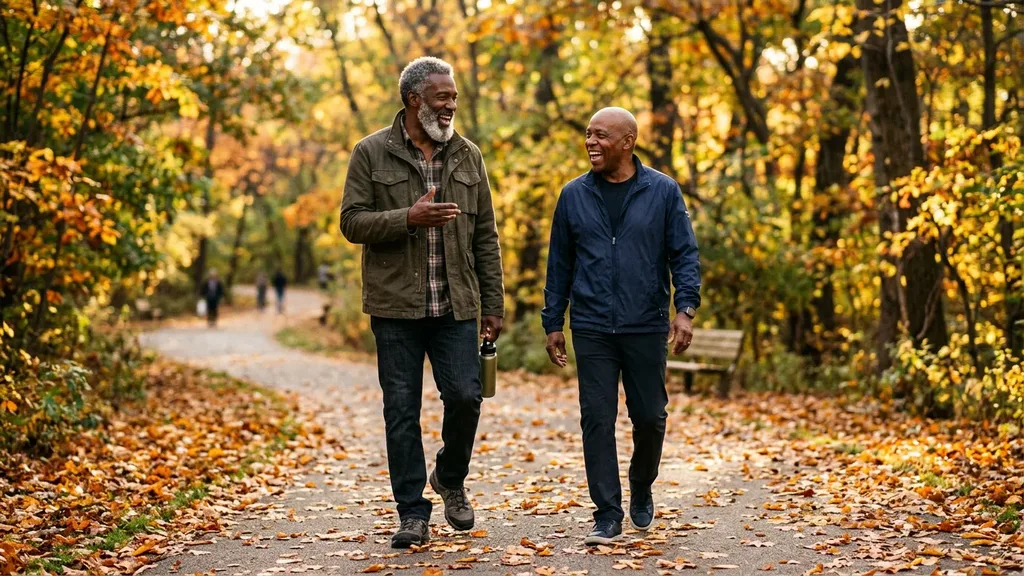
Public health guidelines suggest at least 150 minutes of moderate activity each week plus two days of strength work. In studies, adults who exercised most days had fewer sick days during cold season than those who were sedentary. If you are returning after illness, restart gently; if you have fever, chest symptoms or body aches, rest first. A simple plan is a 30 minute brisk walk five days a week, plus two short bodyweight sessions; see bodyweight workouts for men.
Sun, Vitamin D and Winter
Vitamin D is produced when skin is exposed to sunlight. Men with darker skin, men who work indoors, people in northern climates and older adults are more likely to have low levels. A blood test shows where you stand; supplements are best taken at the dose your doctor recommends, since excess vitamin D can raise calcium too high. See vitamin D benefits for men.
How to Know If Something Is Wrong
Seek care promptly for trouble breathing, chest pain, confusion, a fever above 39 C (102 F), a stiff neck, or symptoms that improve then suddenly worsen. For chronic issues, such as frequent infections, wounds that heal slowly or swollen glands that stay swollen, schedule a visit so your doctor can check blood counts, blood sugar and other causes.
When to See a Doctor
See a doctor if you get sick very often, infections take weeks to clear, you lose weight without trying, or a fever lasts more than three days.
FAQ
What is the fastest way to boost my immune system?
There is no fast fix. Sleep, hydration, good food and rest when you are ill give the biggest return.
Does vitamin C prevent colds?
Not for most people. Regular intake may modestly shorten a cold.
Do immune supplements work?
Products claiming to boost immunity are rarely proven. Food and habits come first.
Does exercise weaken immunity?
Moderate exercise helps. Very long, intense sessions without rest can cause a short dip.
Does cold weather cause colds?
Not directly. Viruses cause colds. Cold seasons mean more time indoors in close contact, which helps viruses spread.
Is honey and lemon useful?
It can soothe a sore throat and keeps you hydrated, but it does not prevent infection.
Should I take a multivitamin?
Many men do not need one if their diet is varied. See should men take a multivitamin.
Sources
- Harvard Health Publishing. How to boost your immune system. health.harvard.edu
- NIH Office of Dietary Supplements. Dietary supplements for immune function. ods.od.nih.gov
- Prather AA et al. Behaviorally assessed sleep and susceptibility to the common cold. Sleep, 2015. UCSF summary
- NIH ODS. Vitamin C fact sheet. ods.od.nih.gov
- NIH ODS. Zinc fact sheet. ods.od.nih.gov
- CDC. Adult immunization schedule. cdc.gov
This article is for information only and is not medical advice. Talk to your doctor before changing your diet, exercise or supplements.
Ultra Bann natural male vitality support
1 capsule every 2 days. Free US shipping and a 60-day money-back guarantee on your first order.
See Ultra BannThese statements have not been evaluated by the Food and Drug Administration. This product is not intended to diagnose, treat, cure, or prevent any disease.