Berberine Benefits for Men: Blood Sugar, Cholesterol and Testosterone
Short answer: The best supported berberine benefits for men are metabolic: in controlled trials it modestly lowers fasting blood sugar and HbA1c in people with type 2 diabetes, and it lowered total and LDL cholesterol in a 12 week trial of men with high cholesterol. That same trial found berberine did not lower testosterone in…

CoQ10 Benefits for Men: What the Evidence Shows, Dosage and Safety
Short answer: The best documented CoQ10 benefits for men are in heart failure, where a two year trial using 300 mg a day (100 mg three times daily) reported fewer major cardiac events than placebo, and in male fertility, where a 2025 meta-analysis linked CoQ10 to better sperm motility and morphology. Evidence for statin muscle…

Creatine for Men Over 50 (and in Their 40s): Benefits, Dose and Safety
Short answer: For most healthy men over 50 (and men in their 40s), creatine monohydrate at 3 to 5 grams a day is one of the best studied supplements for keeping muscle and strength, as long as it is paired with resistance training. A 2017 meta-analysis of 22 trials in older adults found that creatine…

Vitamin D Benefits for Men: What the Evidence Shows and How Much You Need
Short answer: The proven vitamin D benefits for men are about bones, muscles and normal immune and nerve function: vitamin D lets your body absorb calcium, and a real deficiency causes soft, painful bones (osteomalacia) in adults. Large trials have not shown that extra vitamin D raises testosterone, lifts mood or prevents heart disease in…

Does Zinc Increase Testosterone? What the Evidence Shows for Men
Short answer: Zinc can increase testosterone in men who are low in zinc, because the body needs enough of it to make and maintain normal testosterone levels. In men who already eat enough zinc, controlled studies have not shown that extra zinc pushes testosterone higher. For most men the goal is to reach the adult…

Fenugreek Benefits for Men: What the Research Really Shows
Short answer: The best studied fenugreek benefits for men are modest. A 2026 meta-analysis of placebo-controlled trials found a small, very uncertain rise in total testosterone, no reliable change in free testosterone, and some signals for lower body fat and better strength when men were also lifting weights. Fenugreek may also help lower blood sugar,…

Cordyceps Benefits for Men: What the Research Actually Shows
Short answer: The best supported cordyceps benefits for men are modest gains in aerobic capacity and exercise tolerance, seen in small human trials that used about 2 to 4 grams a day for 3 to 12 weeks. Claims about testosterone, libido and “stamina” come mostly from animal studies and poorly documented older reports. Cordyceps is…

Panax Ginseng Benefits for Men: Red vs White, Dosage and Safety
Short answer: Panax ginseng (also called Korean or Asian ginseng) is a traditional root tonic. For men, the best supported benefit is a small reduction in everyday fatigue. Research also points to possible support for mental performance in middle age and healthy blood sugar, but most studies are small and short. Short-term use of up…

Magnesium Glycinate Benefits for Men: Sleep, Energy and Safety
Short answer: The best supported magnesium glycinate benefits for men are modest: covering a magnesium shortfall, a small improvement in self-reported insomnia symptoms, and a form that many people find easier on the stomach than citrate or oxide. A 2025 placebo-controlled trial using 250 mg of elemental magnesium as bisglycinate found a small but real…

Ashwagandha Benefits for Men: What It Does for Stress, Sleep and Testosterone
Short answer: In human trials, ashwagandha’s most consistent benefits for men are lower perceived stress, lower cortisol in stressed adults and modestly better sleep, especially in people with insomnia. Smaller studies also report gains in strength with resistance training, a modest rise in testosterone in overweight men aged 40 to 70, and better semen measures…
Best Time to Take Supplements: Daily vs Every Other Day vs As Needed
Short answer: The best time to take supplements depends less on the clock and more on how your body handles each ingredient. Water-soluble vitamins such as vitamin C are not stored, so steady daily intake makes sense; fat-soluble vitamins such as vitamin D are stored and absorbed better with a meal that contains fat; and…
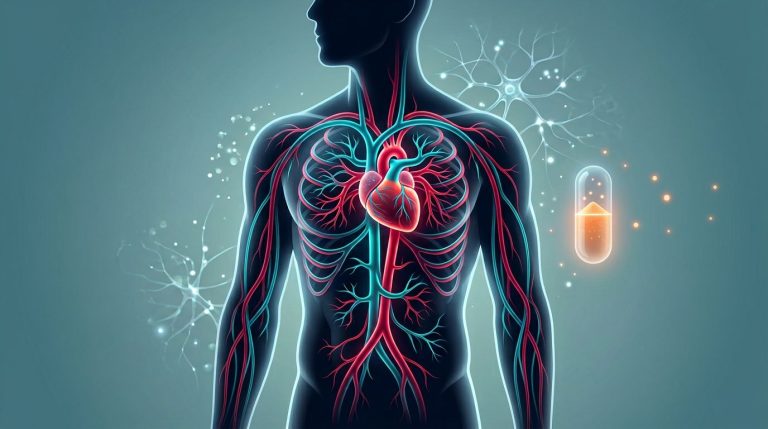
L-Citrulline Dosage: How Much to Take Per Day, When to Take It and Safety
Short answer: Most human studies use an L-citrulline dosage of about 1.5 to 3 grams per day for circulation goals, often split into two or three doses, and about 6 to 8 grams of citrulline malate taken roughly an hour before exercise for workout goals. Citrulline malate is weaker per gram, so you need about…