
Short answer: The best supported berberine benefits for men are metabolic: in controlled trials it modestly lowers fasting blood sugar and HbA1c in people with type 2 diabetes, and it lowered total and LDL cholesterol in a 12 week trial of men with high cholesterol. That same trial found berberine did not lower testosterone in men and may have nudged it up slightly. The main downsides are stomach upset and real drug interactions, so men on medication should check with a clinician first.
Key Takeaways
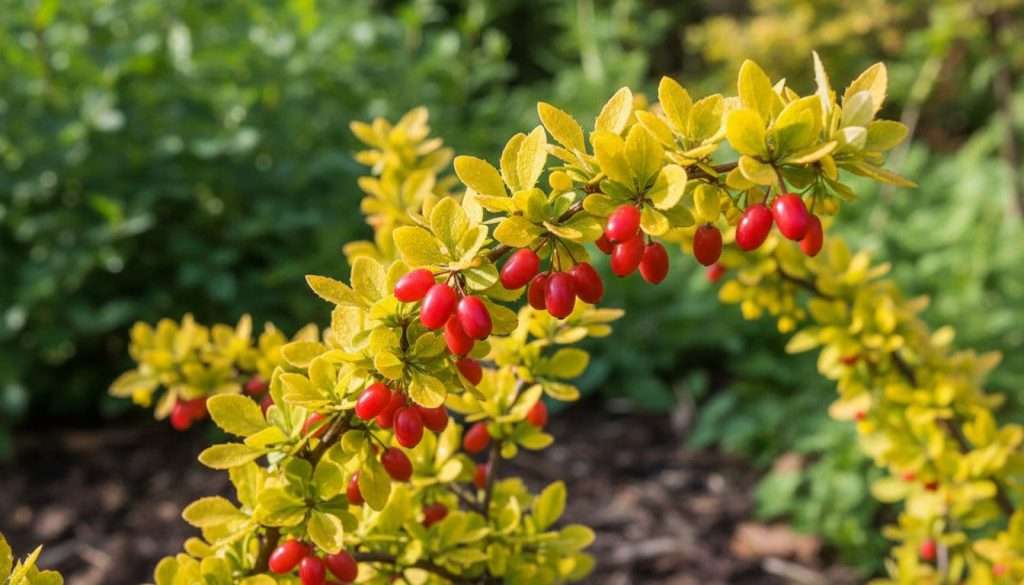
- Berberine is a bitter, yellow plant compound found in European barberry, goldenseal, goldthread, Oregon grape, phellodendron and tree turmeric.[1]
- A 2022 meta-analysis of 37 randomized trials (3,048 patients with type 2 diabetes) found average drops of 0.63 percentage points in HbA1c and 0.82 mmol/L in fasting glucose.[4]
- In a randomized trial of 84 men with high cholesterol, 1,000 mg a day for 12 weeks lowered total cholesterol and did not lower testosterone.[2][3]
- Typical studied doses are 500 mg two or three times a day with meals, up to 1,500 mg daily, because berberine clears the body within hours.[5]
- Common side effects are nausea, cramping, constipation and diarrhea. Berberine can interact with metformin, cyclosporine, omeprazole, losartan and other drugs.[1][5]
What Is Berberine?
Berberine is an alkaloid, a nitrogen containing compound that plants make, and it gives barberry root and goldenseal their bright yellow color. Ayurvedic and traditional Chinese medicine have used berberine rich plants for a very long time, mainly for infections, wounds and digestive complaints.[1] Today it is sold as a stand alone dietary supplement and is marketed for blood sugar, cholesterol, blood pressure and weight control.
For men, interest in berberine usually comes from one of three places: a borderline fasting glucose or HbA1c on routine bloodwork, rising LDL cholesterol, or worry that a supplement linked to hormone research in women might lower testosterone. The evidence on each of those questions is different, so it is worth taking them one at a time.
Berberine Benefits for Men: What the Human Evidence Shows
Blood sugar and HbA1c
Blood sugar is the most studied use of berberine. The U.S. National Center for Complementary and Integrative Health (NCCIH) describes “some evidence” of a modest glucose lowering effect in people with type 2 diabetes.[1] The largest recent pooled analysis, published in Frontiers in Pharmacology in 2022, combined 37 randomized controlled trials with 3,048 patients and reported:[4]
- Fasting plasma glucose: about 0.82 mmol/L lower on average (roughly 15 mg/dL).
- HbA1c: about 0.63 percentage points lower; the drop was larger (0.79 points) when starting HbA1c was 9.0% or higher.
- Two hour post meal glucose: about 1.16 mmol/L lower, although the authors flagged possible publication bias for this outcome.
Two caveats matter. First, almost all of these trials were run in China, many were short, and few reported proper blinding, so the authors rated the certainty as moderate at best. Second, these are people with diagnosed diabetes. Men with normal or slightly high glucose should not expect the same size of change, and nobody should use berberine in place of diabetes care.
Cholesterol
The trial most relevant to men was run at the University of Hong Kong and published in Nutrients in 2021. Researchers randomized 84 men with high blood lipids (80 completed) to 500 mg of berberine twice daily or a placebo for 12 weeks.[2][3] Compared with placebo, the berberine group’s total cholesterol fell by about 0.39 mmol/L (roughly 15 mg/dL), and LDL cholesterol also fell when the 8 and 12 week measurements were combined. Body mass index, blood pressure and waist to hip ratio did not change meaningfully.[2] Cleveland Clinic summarizes the wider literature as showing lower total cholesterol, LDL and triglycerides, while noting most studies are small.[5]
Testosterone: does berberine lower it?
This is a common worry, because berberine has been studied in women with polycystic ovary syndrome, where it tended to lower testosterone. In men, the Hong Kong trial found the opposite direction. Using its combined 8 and 12 week analysis, testosterone was 1.31 nmol/L higher in the berberine group than in the placebo group (about 38 ng/dL).[2] At 12 weeks alone, the difference was not statistically significant, and the authors themselves describe the result as something that “may” happen and needs a larger replication.[2]
The honest reading: berberine does not appear to lower testosterone in men, and there is one small signal of a slight rise. That is not enough to call it a testosterone supplement. If you want context on what normal looks like, see our guide to normal testosterone levels by age.
Weight, liver and blood pressure
Evidence here is thinner. NCCIH states there is not enough rigorous evidence to say whether berberine helps with weight loss.[1] Cleveland Clinic points to a small trial in fatty liver disease linked to lower body weight, triglycerides and cholesterol, and to studies where berberine plus blood pressure medication lowered pressure more than medication alone.[5] In the men’s cholesterol trial, weight and blood pressure did not change.[2]
| Possible benefit | Strength of human evidence | What was found |
|---|---|---|
| Fasting glucose and HbA1c | Moderate (37 RCTs, mostly in China) | HbA1c about 0.63 points lower, fasting glucose about 0.82 mmol/L lower in type 2 diabetes[4] |
| Total and LDL cholesterol | Moderate to limited (small RCTs) | Total cholesterol about 0.39 mmol/L lower in men over 12 weeks[2] |
| Testosterone in men | Limited (one small RCT) | Not lowered; possible small rise that needs replication[2] |
| Weight loss | Insufficient | Few clinical trials; effect unclear[1] |
| Blood pressure | Limited | Possible added effect alongside medication; no change in the men’s lipid trial[2][5] |

How Berberine Works
Most of what we know about mechanism comes from cell and animal research, not from human studies. In animal models, berberine activates AMPK, an enzyme that acts like a cellular fuel gauge. When AMPK switches on, cells burn more glucose and move more glucose transporters to their surface, pulling sugar out of the blood.[6] Berberine also appears to increase the number of insulin receptors on cells, which would make them more responsive to insulin, and in one rat study it activated SIRT1, a protein involved in mitochondrial function.[6]
These pathways help explain the human glucose results, but they should be treated as plausible explanations rather than proof. Claims online that berberine is a “natural” version of a specific prescription drug go well beyond what the data show.
Berberine Dosage: How Men Take It
Berberine is cleared quickly. Cleveland Clinic notes that about half a dose is eliminated within a few hours, which is why it is split across the day.[5]
- Common dose: 500 mg twice a day before meals, the same dose used in the men’s cholesterol trial.[2][5]
- Upper end used: up to 1,500 mg a day, split into three doses.[5] Most diabetes trials used 0.9 to 1.5 g daily.[4]
- Start low: beginning with one dose a day and building up can make stomach side effects more tolerable.[5]
- Give it time: most trials ran about 12 weeks, so a few days is too short to judge.[4]
- Measure, do not guess: if your goal is glucose or cholesterol, the only reliable way to know whether it works for you is repeat bloodwork with your doctor.
Because supplements are not reviewed by the FDA before sale, the amount on the label and the purity are hard to verify. Choose a brand with independent testing; our guide to third-party tested supplements explains what to look for.
Side Effects and Safety
Taken by mouth, berberine is generally well tolerated. The most common problems are abdominal pain, constipation, diarrhea, nausea and vomiting.[1] In the diabetes meta-analysis, total adverse events were not higher with berberine than with control treatments, and hypoglycemia was not significantly increased, though the certainty for hypoglycemia was rated very low.[4] In the men’s trial, no serious adverse events were reported.[2]
Drug interactions
This is the most important safety point. Berberine is processed by liver enzymes that also handle many medicines, and Cleveland Clinic names interactions with metformin, cyclosporine, omeprazole and losartan, among others.[5] Combining berberine with glucose lowering medication could also add to the drop in blood sugar. NCCIH notes berberine “might also interact with medicines in negative ways.”[1]
Who should avoid berberine or talk to a doctor first
- Anyone taking diabetes medication, blood pressure medication, immunosuppressants such as cyclosporine, or acid reducers.
- Men with liver disease or anyone on several prescriptions processed by the liver.
- Pregnant or breastfeeding women, infants and young children: NCCIH warns berberine can cause or worsen jaundice in newborns.[1] This matters for households where a partner is pregnant and shares supplements.
- Anyone with abnormal glucose or cholesterol results who has not yet had a proper medical workup.
Where Berberine Fits in a Men’s Health Routine
Berberine is a single purpose supplement. Its job, if it does anything for you, is metabolic: glucose and lipids. It works best on top of the habits that move those same numbers, including regular walking after meals, strength training, fiber rich meals and consistent sleep. Our article on sleep routines for men covers the last one in detail, and good sleep is tied to appetite and glucose control the next day.
It is also worth being clear about what is not in some products. Ultra Bann, the male vitality supplement made by DL Bioproducts, does not contain berberine. It is a different kind of formula: seven botanicals per serving with every amount on the label and no proprietary blend, namely Thai Butea superba 345 mg, Panax ginseng 110 mg, Cynomorium songaricum 85 mg, black ginger (Kaempferia parviflora) 85 mg, tongkat ali 85 mg, epimedium (horny goat weed) 45 mg and reishi 45 mg, for 800 mg total, taken as one capsule every 2 days. You can read the full label on the Ultra Bann ingredients page or learn more about one of its herbs in our Panax ginseng guide for men. If you are curious, first orders ship free in the US and include a 60-day money-back guarantee at the Ultra Bann shop. If you already take berberine and want to add another supplement, mention both to your doctor or pharmacist.
Frequently Asked Questions
Does berberine lower testosterone in men?
The available human evidence says no. In a 12 week randomized trial of men taking 1,000 mg a day, testosterone did not fall and the combined analysis showed a small rise, though the 12 week result alone was not statistically significant.[2] The testosterone lowering effect reported in research on women with polycystic ovary syndrome does not appear to carry over to men.
How long does berberine take to work?
Most blood sugar and cholesterol trials lasted around 12 weeks, and the men’s cholesterol trial saw changes by the 8 week check.[2][4] Plan on at least two to three months before judging results, ideally with before and after bloodwork.
What is the best time to take berberine?
Before or with meals, split into two or three doses, because the body clears it within hours.[5] Taking it with food may also reduce nausea and cramping.
Can berberine help with erections?
There are no solid human trials showing that berberine improves erections. Erection problems can be an early sign of blood vessel, blood sugar or hormone issues, so the right first step is a visit to a clinician, not a supplement.
Is it safe to take berberine every day?
Trials of up to six months have used it daily without a rise in total adverse events, but long term safety data are limited.[4] Daily use is a conversation to have with your doctor, especially if you take any prescription medication.
References
- National Center for Complementary and Integrative Health. In the News: Berberine. NCCIH, NIH (updated June 2023).
- Zhao JV, et al. Effect of Berberine on Cardiovascular Disease Risk Factors: A Mechanistic Randomized Controlled Trial. Nutrients. 2021;13:2550. doi:10.3390/nu13082550.
- NutraIngredients. Berberine supplementation lowers total cholesterol but increases testosterone in men: 12-week RCT. August 2021.
- Xie W, Su F, Wang G, et al. Glucose-lowering effect of berberine on type 2 diabetes: A systematic review and meta-analysis. Frontiers in Pharmacology. 2022;13:1015045.
- Cleveland Clinic Health Essentials. Berberine: benefits, dosage and side effects (with Layth Tumah, MD).
- Examine.com. How does berberine reduce blood sugar?
These statements have not been evaluated by the Food and Drug Administration. This product is not intended to diagnose, treat, cure or prevent any disease. This article is for information only and is not medical advice.
Ultra Bann natural male vitality support
1 capsule every 2 days. Free US shipping and a 60-day money-back guarantee on your first order.
See Ultra BannThese statements have not been evaluated by the Food and Drug Administration. This product is not intended to diagnose, treat, cure, or prevent any disease.