

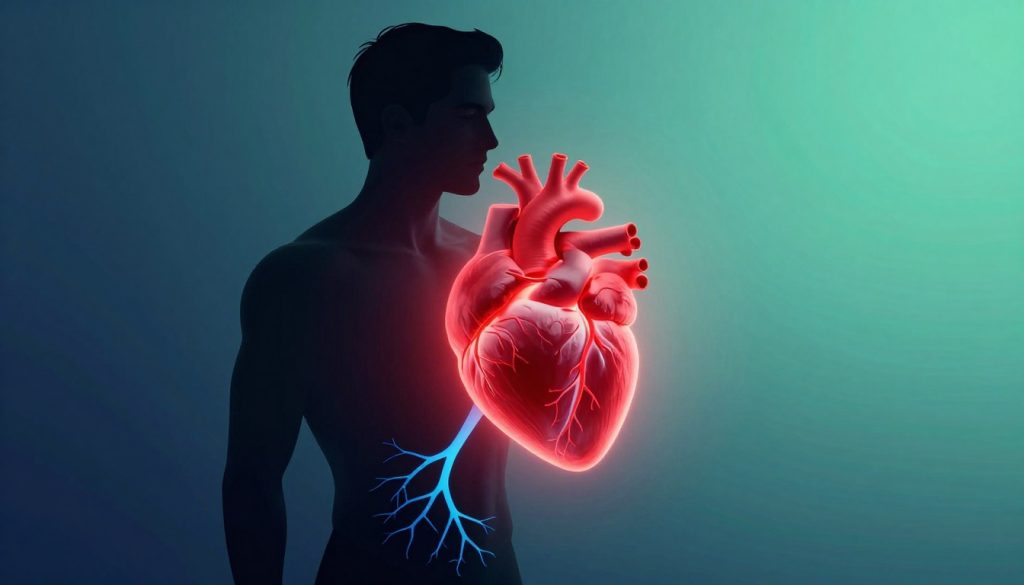
Short answer: The most common signs of poor circulation in men are leg pain or cramping when walking that eases with rest, a foot that feels colder than the other, numbness or tingling, slow-healing sores on the feet or legs, and, often overlooked, new erection problems. Because erectile dysfunction and heart disease share the same root problem (narrowed, stiffened arteries), Mayo Clinic describes erectile dysfunction as a red flag for cardiovascular disease that often shows up 2 to 5 years before a heart attack.[1] If you notice these signs, the right next step is a checkup, not a supplement.
Key Takeaways
- Poor circulation is usually a symptom of an underlying artery problem, most often atherosclerosis or peripheral artery disease (PAD), not a condition on its own.[4][5]
- The arteries that supply the penis are small, so they can show narrowing earlier than the larger heart arteries. That is why new erectile dysfunction can be an early warning sign of heart disease.[1]
- Heart disease is the leading cause of death for men in the United States, and it can stay silent until a heart attack happens.[3]
- The American Heart Association’s Life’s Essential 8 (diet, activity, nicotine, sleep, weight, cholesterol, blood sugar, blood pressure) is the clearest checklist for improving blood circulation and heart health.[2]
- Chest pain, sudden weakness, face droop or trouble speaking are emergencies: call 911, do not wait.
- Men on heart or blood-thinning medicine should talk to a doctor before taking any herbal supplement, including Panax ginseng.[6]
What “Poor Circulation” Really Means
“Poor circulation” is a plain-language way of saying that not enough blood is reaching part of the body. In men, the most common cause is atherosclerosis: fatty plaque builds up inside artery walls, the artery narrows and stiffens, and the tissue downstream gets less oxygen, especially during effort.
When this happens in the legs, doctors call it peripheral artery disease. When it happens in the heart arteries, it is coronary artery disease. When it happens in the small arteries of the pelvis, one of the first results can be erection problems. These are not separate diseases so much as the same process showing up in different places. A man with one of them should be checked for the others.
Many men with early PAD have no symptoms or only mild ones, which is why risk factors matter as much as symptoms.[5]
Signs of Poor Circulation Men Should Not Ignore
The National Heart, Lung, and Blood Institute and Mayo Clinic list a consistent set of warning signs for PAD, the most common circulation problem in the legs.[4][5]
In the legs and feet
- Leg pain with walking (claudication): aching, heaviness or cramping in the calves, thighs or hips that starts with walking or stairs and eases with rest.
- Temperature difference: one lower leg or foot feels colder than the other.
- Numbness, weakness or pins and needles in the leg or foot, sometimes enough to affect balance.
- Skin and nail changes: pale, bluish or discolored skin, shiny skin on the legs, slow-growing toenails, and hair loss or slower hair growth on the legs.
- Weak or absent pulse in the legs or feet (usually found by a clinician).
- Sores that heal slowly or not at all on the toes, feet or legs.
- Pain at rest, including pain that wakes you at night, which suggests more severe disease.
In sexual function
Mayo Clinic lists erectile dysfunction among the possible signs of PAD.[5] A gradual loss of firm erections, especially in a man who also has high blood pressure, diabetes, high cholesterol or a smoking history, deserves a medical workup and not just a quick fix.
In the chest and whole body
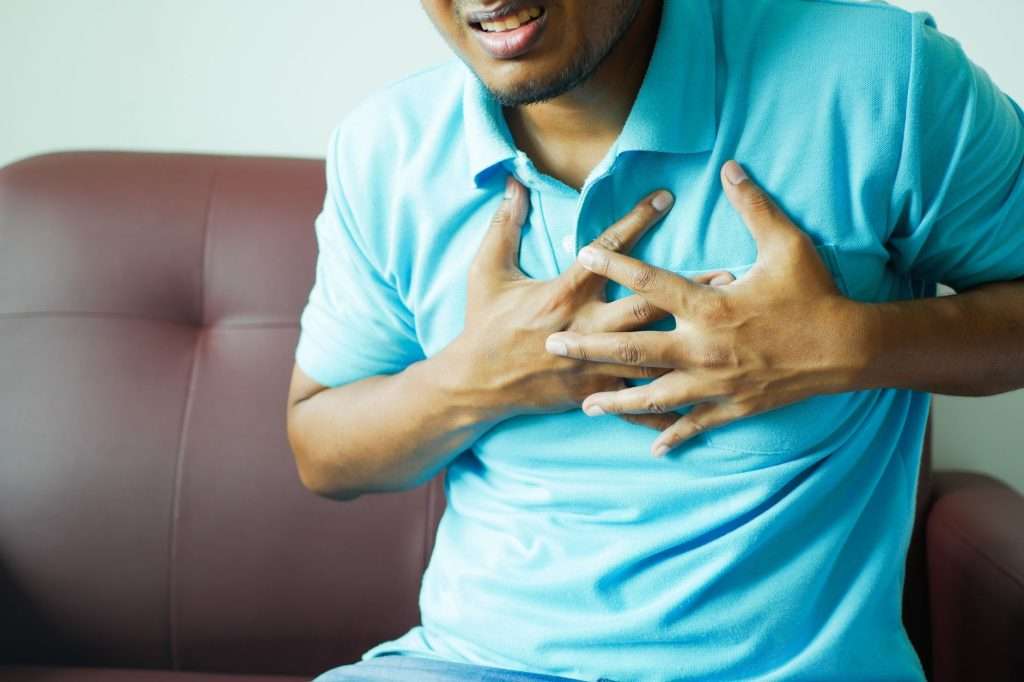
The CDC lists chest pain or discomfort, upper back or neck pain, extreme fatigue, dizziness and shortness of breath as possible heart attack symptoms. Fluttering in the chest can signal an abnormal rhythm, and swelling, fatigue and breathlessness can point to heart failure.[3]
| What you notice | What it can point to | What to do |
|---|---|---|
| Chest pressure or pain, upper back or neck pain, shortness of breath, sweating | Possible heart attack | Call 911 now |
| Sudden weakness, face droop, trouble speaking | Possible stroke | Call 911 now |
| Leg cramping when walking that stops with rest | Peripheral artery disease | Book a checkup soon |
| One foot colder or paler than the other, sores that will not heal | Reduced blood flow to the leg | Book a checkup soon; urgent if the sore is getting worse |
| New or worsening erection problems | Possible early vascular disease | Ask your doctor for a heart risk assessment |
| Ankle swelling, breathlessness, unusual tiredness | Possible heart failure or other heart problem | See a doctor promptly |

Erectile Dysfunction and Heart Disease: Why the Link Matters
The connection between erectile dysfunction and heart disease is one of the most practical facts in men’s health. Mayo Clinic’s clinician-facing summary makes several points worth knowing:[1]
- Artery size: the penile arteries are small, so they are among the first vessels to show the effects of atherosclerosis.
- Timing: erectile dysfunction often occurs 2 to 5 years before men have a heart attack, and in many men it is the earliest, and sometimes the only, visible symptom of cardiovascular disease.
- Independent signal: erectile dysfunction remains a predictor of cardiac events even after cholesterol, diabetes and blood pressure are accounted for, and it is described as a marker for silent coronary artery disease, especially in younger men who otherwise seem healthy.
- Testing: for men with erectile dysfunction and borderline or intermediate 10-year heart risk, Mayo Clinic notes that doctors can consider a coronary artery calcium (CAC) scan, particularly between ages 40 and 60.
The takeaway is simple. If erections have changed, tell your doctor and ask directly: “Could this be my arteries?” Many men never raise the issue, so the clinician never connects it to heart risk.
Related reading: the ApoB test for men explains a cholesterol marker that many cardiologists now use to measure artery risk more precisely.
Risk Factors That Narrow Arteries
High blood pressure is the big one. According to the CDC, 50.6% of U.S. men had high blood pressure in 2017 to 2020.[3] Other major risk factors named by the CDC and Mayo Clinic include:[3][5]
- Smoking and other tobacco or nicotine use
- Diabetes
- High cholesterol
- Overweight and obesity
- An unhealthy diet and physical inactivity
- Excessive alcohol use
- Family history of PAD, heart disease or stroke
- Increasing age, especially over 65, or over 50 if you have atherosclerosis risk factors
Most of these are silent. You cannot feel high blood pressure, high cholesterol or early high blood sugar, which is why measurement beats guessing.
How to Improve Blood Circulation: The Life’s Essential 8 Checklist
The American Heart Association’s Life’s Essential 8 is the most useful framework for improving blood circulation, because every item acts on the arteries themselves.[2]
| Life’s Essential 8 area | AHA target or guidance | Practical step for men |
|---|---|---|
| Eat better | Whole foods, fruits and vegetables, lean protein, nuts, seeds and non-tropical oils | Build most meals around vegetables, beans, fish or lean meat and whole grains |
| Be more active | 2 1/2 hours of moderate or 75 minutes of vigorous activity per week | A brisk 30-minute walk five days a week reaches the moderate target |
| Quit tobacco | No nicotine; cigarettes are the leading cause of preventable death in the U.S. | Ask your doctor about quit aids; vaping is not a safe substitute |
| Get healthy sleep | 7 to 9 hours per night for adults | Keep a fixed wake time and get snoring checked for sleep apnea |
| Manage weight | Optimal BMI is less than 25 | Track your waist too, since belly fat tracks closely with heart risk |
| Control cholesterol | Non-HDL cholesterol is the preferred number to monitor | Get a lipid panel and ask about ApoB if you have a family history |
| Manage blood sugar | Monitor hemoglobin A1c | Ask for an A1c test at your next physical |
| Manage blood pressure | Less than 120/80 mm Hg is optimal | Use a validated home cuff and log readings for your doctor |
Walking is the most underrated circulation tool
For leg circulation in particular, regular walking is the habit doctors most often recommend, because working muscles demand more blood flow over time. If you get leg pain when walking, do not just push through it alone: get diagnosed first, then ask whether a supervised exercise program is right for you.
When to get checked
Book a visit if you have any leg or arm symptoms of PAD,[5] new erection problems, or two or more risk factors you have not had measured in the past year. Bring a list of your medicines and supplements. Our guide to health screenings for men lists the tests to ask about, including blood pressure, lipids, A1c and, where appropriate, a CAC scan.
Supplements and Heart Medicine: What to Know
No supplement repairs narrowed arteries or replaces blood pressure, cholesterol or diabetes treatment. If you take heart medicine, the more important question is whether a supplement could interfere with it.
Ultra Bann is a natural male vitality supplement by DL Bioproducts, taken as one capsule every 2 days. It contains seven botanicals with amounts on the label and no proprietary blend: Thai Butea superba 345 mg, Panax ginseng 110 mg, Cynomorium songaricum 85 mg, black ginger (Kaempferia parviflora) 85 mg, tongkat ali 85 mg, epimedium (horny goat weed) 45 mg and reishi 45 mg, for 800 mg in total. You can read the full label on our ingredients page. We make no circulation or heart claims for it, and it is not a substitute for medical care.
One safety point matters here. NCCIH notes that Asian ginseng (Panax ginseng) may interfere with blood clotting, may lower blood sugar, and may interact with some medicines.[6] Ginseng has also been reported to affect blood pressure in some people. So if you take a blood thinner, blood pressure medicine, heart medicine or diabetes medicine, or you have a heart condition, ask your doctor or pharmacist before using Ultra Bann or any ginseng product. For more on which supplements can interact with blood pressure, see supplements that raise blood pressure.
Frequently Asked Questions
What are the first signs of poor circulation in men?
The most common early sign is leg pain, cramping or heaviness when walking that eases with rest. Others include a colder foot on one side, numbness or tingling, slow toenail and leg hair growth, and erection problems. Many men with early artery disease have no symptoms at all, so checking blood pressure, cholesterol and blood sugar is just as important.
Can erectile dysfunction be an early warning sign of heart disease?
Yes. Mayo Clinic describes erectile dysfunction as a red flag for cardiovascular disease and notes it often appears 2 to 5 years before a heart attack, because the small penile arteries show narrowing earlier than the larger heart arteries.[1] Any new erection problem is a good reason to ask your doctor for a heart risk check.
How can I improve blood circulation naturally?
Follow the AHA Life’s Essential 8: move at least 150 minutes a week, stop all nicotine, eat mostly whole foods, sleep 7 to 9 hours, and keep weight, blood pressure, cholesterol and blood sugar in healthy ranges.[2] If you already have symptoms, get diagnosed first so the plan fits the cause.
When is poor circulation an emergency?
Call 911 for chest pain or pressure, shortness of breath, sudden weakness, face droop or trouble speaking. A foot that suddenly turns cold, pale and painful also needs emergency care. Leg pain at rest or a sore that will not heal needs prompt medical attention.
Is it safe to take herbal supplements with heart medication?
Not always. Some herbs, including Panax ginseng, may affect blood clotting or blood sugar and may interact with medicines.[6] Show your doctor or pharmacist the full label of any supplement before combining it with blood thinners, blood pressure pills or diabetes medicine.
References
- Mayo Clinic. Erectile dysfunction: A vital sign for cardiovascular health. Mayo Clinic, Medical Professionals, 2025.
- American Heart Association. Life’s Essential 8. heart.org.
- Centers for Disease Control and Prevention. Men and Heart Disease. cdc.gov.
- National Heart, Lung, and Blood Institute. Peripheral Artery Disease: Symptoms. nhlbi.nih.gov.
- Mayo Clinic. Peripheral artery disease (PAD): Symptoms and causes. mayoclinic.org.
- National Center for Complementary and Integrative Health. Asian Ginseng. nccih.nih.gov.
These statements have not been evaluated by the Food and Drug Administration. This product is not intended to diagnose, treat, cure or prevent any disease. This article is for information only and is not medical advice.
Ultra Bann natural male vitality support
1 capsule every 2 days. Free US shipping and a 60-day money-back guarantee on your first order.
See Ultra BannThese statements have not been evaluated by the Food and Drug Administration. This product is not intended to diagnose, treat, cure, or prevent any disease.

