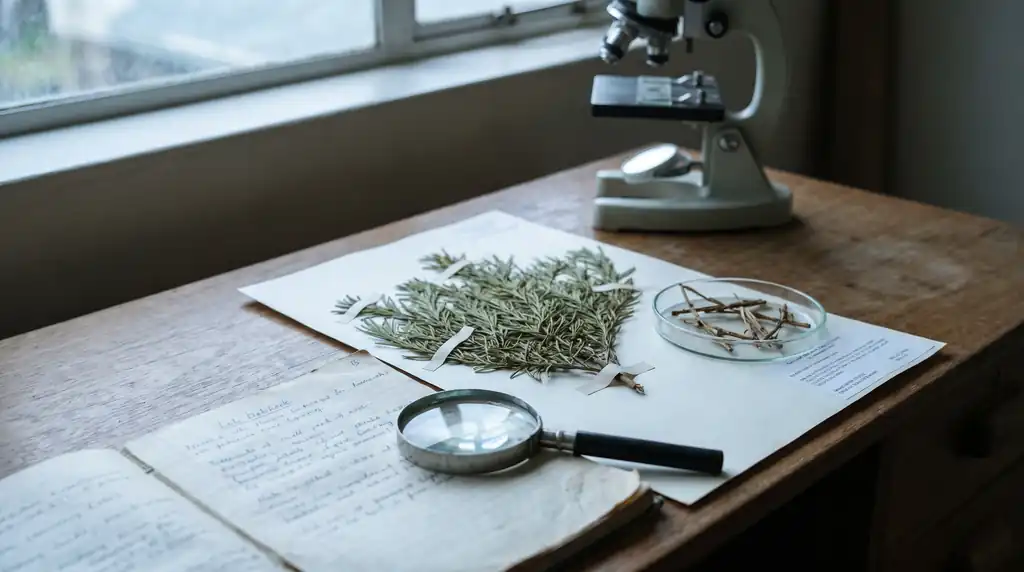
Short answer: Fadogia agrestis is a West African shrub sold as a natural testosterone booster. Every claim about it comes from a handful of rat studies: there are no published human trials. In rats, short-term use raised testosterone, but researchers also saw signs of possible damage to the testicles after longer use. Because no safe human dose has been established, independent references rate the evidence as insufficient and advise caution.
Key Takeaways
- Fadogia agrestis is a small bush from Nigeria, Ghana and Sudan, traditionally used as an aphrodisiac and fever remedy.
- There are no human studies. Examine.com states that no human studies have been conducted to date.
- In one rat study, 5 days of use raised testosterone 2-fold at 18 mg/kg, 3-fold at 50 mg/kg and 6-fold at 100 mg/kg.
- Other animal data point to possible toxic effects on the testicles after about a month of use.
- RxList rates every use of fadogia as "insufficient evidence" and says no appropriate dose range can be determined.
What Is Fadogia Agrestis?
Fadogia agrestis is a short shrub in the coffee family (Rubiaceae) that grows across West and Central Africa, from Ghana to Nigeria and Sudan. In Nigeria it is known as bakin gagai and is sometimes called "black aphrodisiac." Traditional healers have used the stem as a fever reducer and as a remedy for low sexual desire and erectile problems[1].
Its active compounds are poorly understood. Researchers suspect saponins, alkaloids and monoterpene glycosides, but no one has pinned down which compound does what[1]. That matters, because supplements cannot be standardized to a compound nobody has identified.
Why it became popular
Fadogia went from obscure to viral after it was promoted on popular podcasts and fitness channels as a natural way to raise testosterone, often paired with tongkat ali. According to RxList, its popularity among athletes is also linked to the idea that it could be an alternative to anabolic steroids[2]. The marketing moved much faster than the science.
What the Research Actually Shows
Testosterone: rat studies only
The main source of the testosterone claim is rat research from Nigeria. In one study summarized by Examine.com, 5 days of fadogia extract raised testosterone 2-fold at 18 mg/kg, 3-fold at 50 mg/kg and 6-fold at 100 mg/kg, along with increased mating behavior[1]. Another study reported an 11 to 15 percent increase in testicle weight[1].
These results sound impressive, but they do not transfer to people automatically. Rat hormone systems differ from ours, the doses are based on body weight, and the studies were short. No one has tested whether a human taking a typical capsule sees any change at all.
Sexual function
Limited animal evidence suggests pro-erectile effects. Oddly, time to ejaculation also increased, which is unusual for a substance marketed as an aphrodisiac[1]. RxList rates fadogia's use for sexual performance problems, sex drive, athletic performance and bodybuilding as "insufficient evidence to rate"[2].
Human studies
There are none. Examine.com states plainly that no human studies have been conducted to date[1], and RxList adds that no one knows whether fadogia has these effects in people[2].
Evidence Summary
| Claim | Evidence | In humans? |
|---|---|---|
| Raises testosterone | Rat studies, 5 days, 18 to 100 mg/kg | No studies |
| Improves libido | Increased mating behavior in rats | No studies |
| Improves erections | Limited animal data, delayed ejaculation | No studies |
| Athletic performance | No good evidence | No studies |
| Safe dose | Not established; possible testicular toxicity in animals | Unknown |
Safety Concerns
Possible testicular toxicity
The biggest red flag is that the same organ fadogia is supposed to help may be harmed by it. Examine.com notes a possible toxic (cytotoxic) effect on testicular cells after about a month of use, which could cancel out the short-term testosterone rise, and warns that such effects may not be limited to the testicles[1]. More research is needed, but the signal is serious enough that the honest answer to "is fadogia safe?" is "nobody knows."
No established dose
RxList states that there is not enough scientific information to determine an appropriate dose range, and that there is not enough information to know whether fadogia is safe or what its side effects might be[2]. Examine.com goes further and says no dose can be recommended, because it is unclear whether consumption is safe at any dose[1]. Products sold online pick their own doses without human data to support them.
Product quality and hidden ingredients
The National Center for Complementary and Integrative Health warns that many bodybuilding products sold as supplements have been found to contain other ingredients that can be harmful, and that safety is a serious concern with supplements promoted for sexual enhancement[3]. A testosterone product that works "too well" may contain something not on the label.
Who should avoid fadogia
- Anyone trying to conceive, given the possible effects on the testicles.
- Men with prostate conditions, hormone-sensitive conditions or on testosterone therapy.
- Anyone under 18, and women who are pregnant or breastfeeding[2].
- Competitive athletes subject to drug testing, because of contamination risk.
If You Want to Support Healthy Testosterone
If low energy or low drive is what sent you looking for fadogia, start with the basics that have human evidence behind them:
- Get tested. A morning blood test tells you whether testosterone is actually low. See signs of low testosterone y normal testosterone levels by age.
- Fix sleep, weight and training. Our guide on how to increase testosterone naturally covers the lifestyle steps with the best evidence.
- Look at herbs with human data. Tongkat ali has small human trials showing a modest testosterone increase in men who start low. See tongkat ali benefits for men.
- See a doctor if symptoms persist. Low testosterone can be a sign of other health problems and has medical treatments.
Frequently Asked Questions
Does fadogia agrestis increase testosterone in humans?
Nobody knows. The testosterone increases come from short rat studies. No human trial has been published.
Is fadogia agrestis safe?
Its safety in people is unknown. Animal data suggest possible toxic effects on the testicles after about a month, and no safe dose has been established.
Why do some people take fadogia with tongkat ali?
The combination became popular through podcasts and fitness influencers. Tongkat ali has small human studies; fadogia has none. The combination itself has not been studied.
How long can you take fadogia agrestis?
There is no evidence-based answer. Some users cycle it, but cycling has not been tested and does not make an untested product safe.
Is fadogia banned in sports?
Fadogia itself is not a named banned substance, but supplements marketed for testosterone and bodybuilding have been found to contain undeclared ingredients, which can cause failed drug tests.
References
- Examine.com. Fadogia agrestis. examine.com/supplements/fadogia-agrestis
- RxList. Fadogia Agrestis: Health Benefits, Side Effects, Uses, Dose and Precautions. rxlist.com/supplements/fadogia_agrestis.htm
- National Center for Complementary and Integrative Health. Dietary Supplements Marketed for Weight Loss, Bodybuilding, and Sexual Enhancement. nccih.nih.gov
These statements have not been evaluated by the Food and Drug Administration. This article is for information only and is not medical advice. Talk to your doctor before taking any supplement.