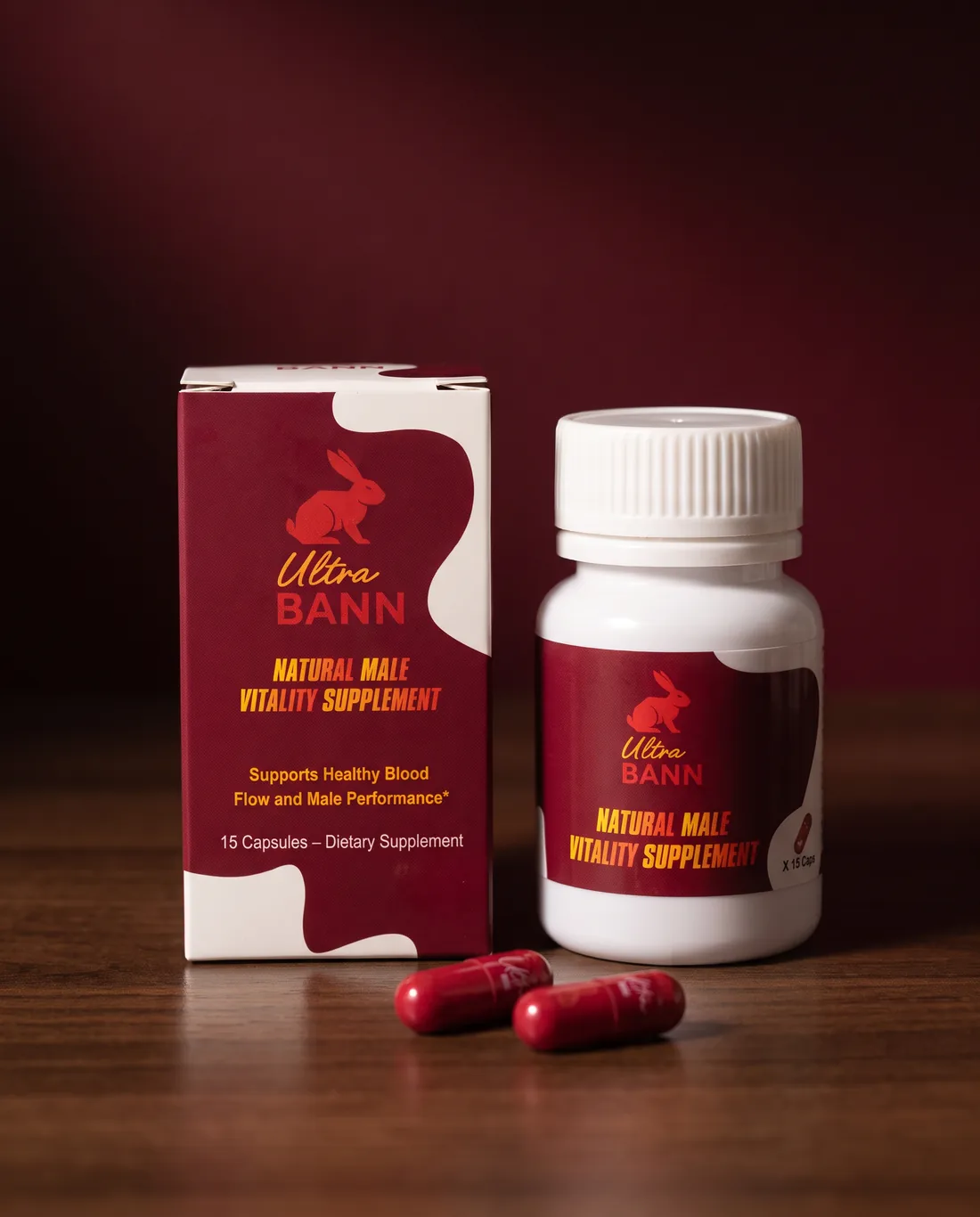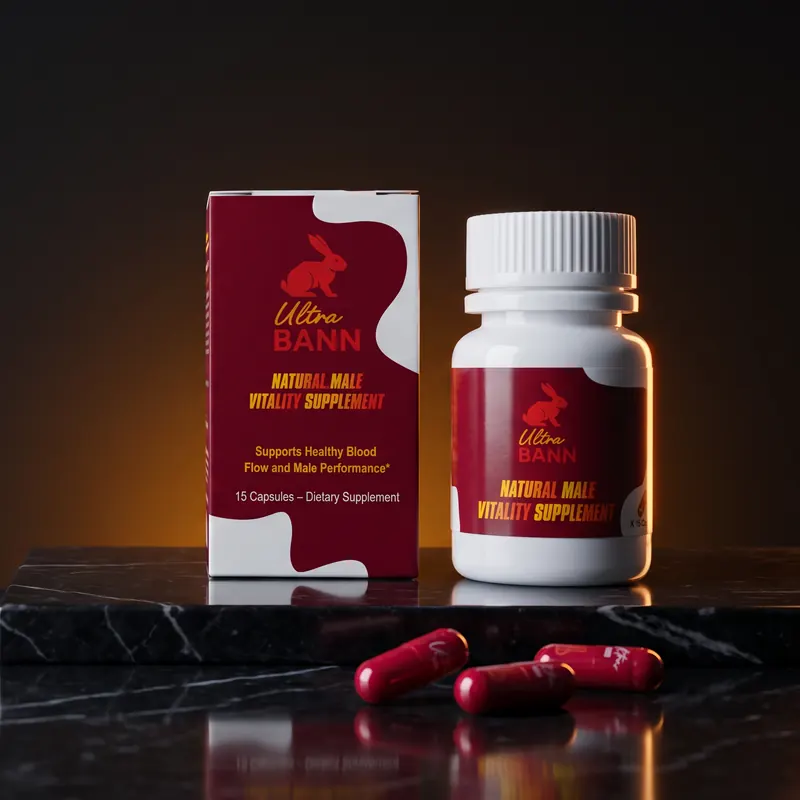


Natural Male Vitality Supplement for Men 40+Stronger now than you’ve ever been. Why not?
Just 1 capsule every 2 days. The natural male vitality supplement for men who carry everyone: 7 traditional herbs, 100% plant-based, with every amount printed on the label.
4.85 from 27 customer reviews- Free US shipping
- 60-day guarantee (first order)
- Third-party lab tested
Lasts twice as long as daily pills.
Most supplements make you swallow a pill every single day. Ultra Bann works with just one capsule every 2 days.
From $1.11 a day with the 6-bottle pack (90 capsules, $200). One pack lasts you far longer.
After 40, the energy doesn’t come back on its own.
Longer days, shorter nights, more pressure. Many men notice they have less drive than they used to, and most never talk about it.
Ultra Bann was made for that moment: one simple addition to your routine, built on plants that men in Thailand, China and Southeast Asia have relied on for generations.
See the packsWhat’s in every serving
Seven botanicals, with the amount of each one shown on the label. No hidden blends, no mystery ingredients.


Our current production lot is Lot #091026; our latest independent Eurofins certificate (April 2025, earlier production run) passed testing for microbial contaminants and heavy metals. See all ingredients
What customers say
4.85 average · Read all 27 reviewsused it for 3 weeks and results delivered, high focus and confidence.
Most effective I've tried. Energy and stamina better. Packaging could improve.
Really happy with the quality! Everything was well!
Skeptical but Energy better. Confidence risen up. Large pills and effective.
Se pa rans non frem, yo ap mandew padon ak Ultra Bann. Mwen metel li tout kote lakay la.
It seems to work very good and I feel more energy thank.
Choose your pack
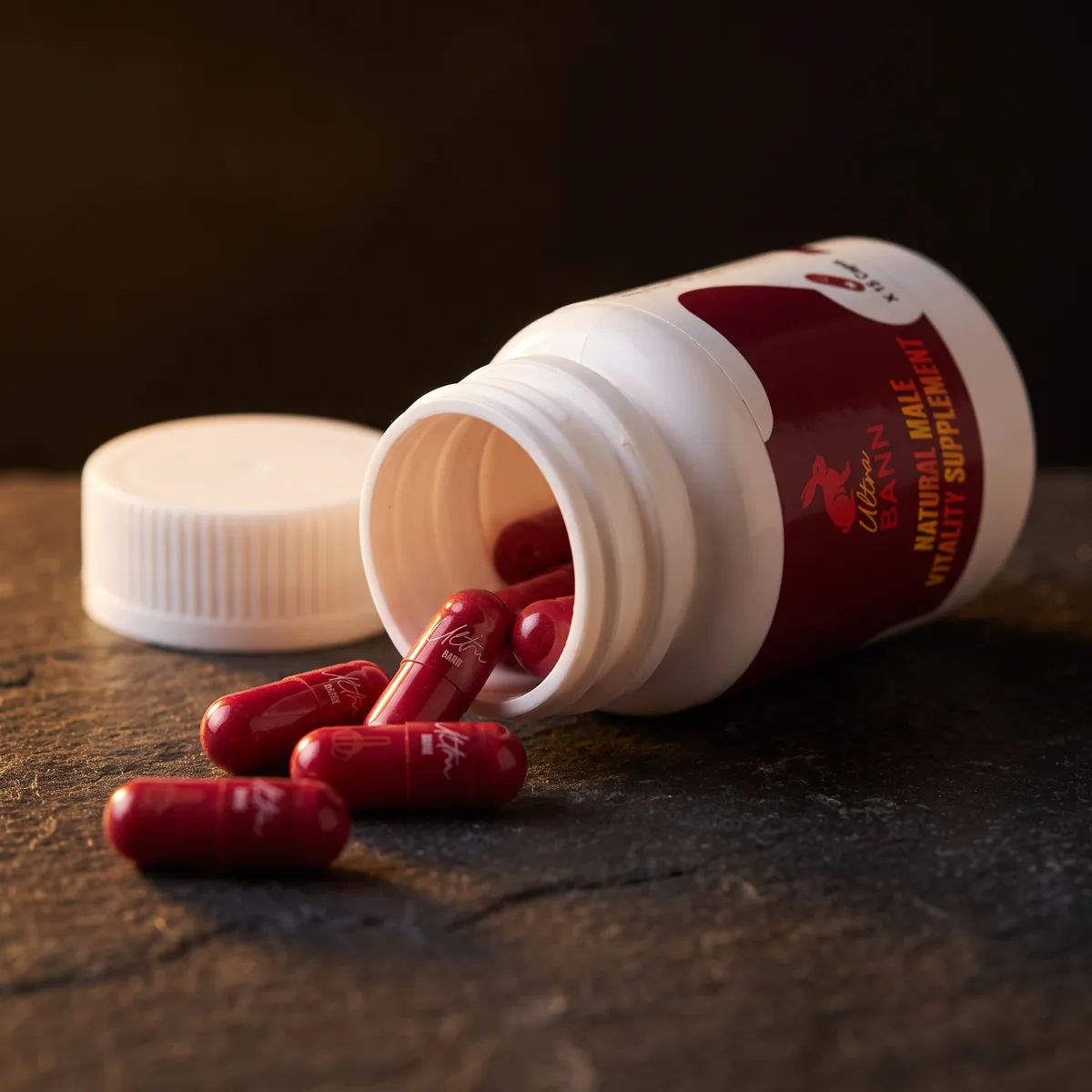
At 1 capsule every 2 days, one small pack lasts a month. Prices in US dollars (USD). Free US shipping, any applicable tax shown at checkout, and a 60-day money-back guarantee on your first order.
Pay securely by card, PayPal, Apple Pay or Google Pay. Your order ships with tracking.
- VISA
- Mastercard
- AMEX
- PayPal
- Apple Pay
- Google Pay
Secure SSL checkout
Try it for 60 days, risk free.
If Ultra Bann isn’t right for you, email us within 60 days of delivery and get your money back, even if you’ve opened your first bottle. Read our 60-day guarantee
60-day money-back
Try Ultra Bann for a full 60 days. If it’s not right for you, get a full refund.Even opened bottles
Changed your mind after your first bottle? You’re still covered, opened or not.Just send one email
No forms, no hoops. Email us and we handle your refund quickly.Questions men ask us
Is Ultra Bann safe to take?
Ultra Bann is made with seven botanicals that have long histories of traditional use. If you take medication or manage a health condition, talk to your doctor before using it.
How do I take it?
Take 1 capsule every 2 days with a glass of water. Do not take more than the recommended amount.
Is Ultra Bann FDA approved?
No dietary supplement is FDA approved the way prescription drugs are. Ultra Bann is sold as a dietary supplement, and our current production lot is Lot #091026; our latest independent Eurofins certificate (April 2025, earlier production run) passed testing for microbial contaminants and heavy metals.
Is Ultra Bann vegan?
Yes. Every capsule is 100% plant-based, with no synthetic hormones and no animal-derived ingredients.
Where do you ship?
Shipping is free on every US order. Canada: flat US$15 for shipping and customs. Europe: flat US$22. Other countries: rates shown at checkout.
What if it does not work for me?
Your first order is covered by our 60-day money-back guarantee: one opened bottle is covered (the 45-capsule pack has 3 bottles, the 90-capsule pack has 6), other bottles must be returned unopened, and return shipping is paid by the customer. Email info@ultrabann.com with your order number.
Who makes Ultra Bann?
Ultra Bann is a brand of DL Bioproducts, founded in 2019. You can reach our team at info@ultrabann.com.
We only publish reviews from verified buyers. Already a customer? Share your experience.
Ready to feel like yourself again?
1 capsule every 2 days, from $1.11 a day with the 6-bottle pack. Free US shipping, plain packaging, and 60 days to decide.
Choose your packThese statements have not been evaluated by the Food and Drug Administration. This product is not intended to diagnose, treat, cure, or prevent any disease.