Choosing the right supplement can feel complicated when you are focused on improving sexual performance and managing erectile dysfunction. Many men across the United States want answers they can trust before trying vitamins or herbal products. By learning how to gather trustworthy supplement information, check ingredient safety, and understand regulatory guidance, you put your health first and avoid risky mistakes. With this straightforward guide, you gain clear steps to protect your well-being whenever you consider a new supplement.
Table of Contents
- Step 1: Gather Essential Supplement Information
- Step 2: Check Ingredient Safety and Interactions
- Step 3: Evaluate Regulatory Approvals and Certifications
- Step 4: Monitor Your Body for Side Effects
- Step 5: Review and Confirm Ongoing Supplement Safety
Quick Summary
| Key Takeaway | Explanation |
|---|---|
| 1. Gather Detailed Supplement Information | Review labels and manufacturer details to understand ingredients, dosages, and safety certifications. |
| 2. Check Ingredient Safety and Interactions | Research each ingredient’s safety profile and potential interactions with medications or health conditions. |
| 3. Evaluate Regulatory Approvals and Certifications | Verify third-party certifications to ensure the supplement meets safety and quality standards. |
| 4. Monitor Your Body for Side Effects | Keep a symptom journal to document and track any adverse reactions to dietary supplements. |
| 5. Regularly Review Supplement Use | Periodically assess your supplement regimen to align with changing health needs and scientific updates. |
Step 1: Gather Essential Supplement Information
Monitoring supplement safety starts with strategic information gathering. Understanding what goes into your dietary supplements requires careful research and a systematic approach to evaluating product details.
To effectively gather essential supplement information, focus on several critical sources. Begin by examining the supplement’s label and packaging, which provide foundational insights into ingredients, dosages, and manufacturer details. Comprehensive supplement factsheets from the National Institutes of Health offer authoritative background on specific vitamins, minerals, and herbal supplements.
Key information to collect includes:
- Full ingredient list
- Supplement manufacturer details
- Recommended daily dosage
- Potential interactions with medications
- Manufacturing and quality certifications
- Third-party testing information
Additionally, consult official regulatory resources like the FDA’s dietary supplement guidance to understand product safety standards and manufacturer responsibilities. Cross-reference multiple sources to verify ingredient claims and potential health impacts.
Pro tip: Always photograph or digitally save supplement packaging information for future reference and potential medical consultations.
Step 2: Check Ingredient Safety and Interactions
Checking supplement ingredient safety requires a comprehensive and methodical approach to understanding potential health risks and medication interactions. This critical step helps protect your overall health and prevent unintended side effects from dietary supplements.
Start by carefully reviewing supplement ingredient details and cross-referencing potential interactions with your current medications and health conditions. Consult multiple authoritative sources, including your healthcare provider, to verify the safety profile of each ingredient.
Key steps for checking ingredient safety include:
- Research each ingredient’s scientific background
- Identify potential interactions with prescription medications
- Check for known allergenic or sensitive ingredients
- Verify recommended dosage limits
- Examine potential side effects and contraindications
- Review scientific studies about ingredient effectiveness
Utilize resources from the National Institutes of Health to gain evidence-based insights into supplement ingredients. Pay special attention to warning signs such as conflicting interactions, unusual side effects, or ingredients not recommended for your specific health profile.
Consulting a healthcare professional provides the most accurate assessment of supplement safety for your individual health needs.
Pro tip: Create a digital or physical checklist of all supplements and medications you currently take to easily share with medical professionals during consultations.
Step 3: Evaluate Regulatory Approvals and Certifications
Evaluating regulatory approvals and certifications is a critical step in ensuring the safety and quality of dietary supplements. This process helps you distinguish between reliable products and potentially risky alternatives that lack proper oversight.
Begin by understanding the FDA’s regulatory framework for dietary supplements, which operates under a post-market oversight model. Unlike prescription medications, dietary supplements do not require pre-market approval, making independent verification crucial for your safety.
Key aspects to examine for regulatory approvals include:
- Third-party certification status
- Manufacturer compliance with FDA guidelines
- Independent lab testing certifications
- Quality control documentation
- Manufacturing facility inspections
- Ingredient sourcing transparency
Supplement certification programs like NSF International provide additional layers of verification. These certifications confirm label accuracy, ingredient safety, and absence of contaminants, offering consumers an extra level of confidence.
Not all certifications are equal. Look for reputable third-party organizations with established credibility in supplement testing.
Pro tip: Keep digital copies of supplement certifications and regulatory documents for easy reference during medical consultations.
The following table highlights common supplement certifications and what they verify:
| Certification | What It Checks | Who Issues It |
|---|---|---|
| NSF | Ingredient accuracy, contaminants | NSF International |
| USP | Purity, potency, safety | U.S. Pharmacopeia |
| Informed Sport | Banned substances for athletes | LGC Group |
| ConsumerLab | Label accuracy, heavy metals | ConsumerLab.com |
Step 4: Monitor Your Body for Side Effects
Monitoring your body’s response to dietary supplements is a crucial step in maintaining your overall health and safety. Understanding how to recognize and document potential side effects can help you proactively manage your supplement regimen and prevent potential health complications.
Carefully track bodily reactions to supplements by maintaining a detailed symptom journal. Pay close attention to any unexpected changes in your physical or mental well-being that might indicate an adverse reaction.
Critical signs to monitor include:
- Unexpected allergic reactions
- Sudden changes in energy levels
- Digestive system disruptions
- Unusual mood or cognitive shifts
- Skin reactions or rashes
- Unexplained muscle or joint pain
The FDA recommends immediate medical consultation if you experience severe or persistent side effects. Documenting precise details about symptoms, timing, and potential triggers can help healthcare professionals accurately assess your situation.
Side effects can develop gradually, so maintain consistent and vigilant monitoring throughout your supplement usage.
Pro tip: Take timestamped photos of any physical symptoms and maintain a digital log to share with your healthcare provider.
Step 5: Review and Confirm Ongoing Supplement Safety
Continuous review of supplement safety is an essential practice for maintaining your health and preventing potential risks associated with long-term dietary supplement use. This step involves a proactive and systematic approach to monitoring your supplement regimen.
FDA supplement safety guidelines recommend periodic reassessment of your supplement intake, focusing on changes in your health status, medication interactions, and emerging scientific research. Regularly evaluate whether the supplements you are taking continue to align with your current health needs and goals.
Key elements of ongoing supplement safety review include:
- Annual consultation with healthcare professionals
- Tracking long-term health outcomes
- Reviewing recent scientific research
- Assessing current medication interactions
- Monitoring supplement effectiveness
- Checking for updated safety information
Supplement safety reporting platforms like the Operation Supplement Safety program provide valuable resources for staying informed about potential product risks and emerging safety concerns.
Ongoing vigilance is your best defense against potential supplement-related health complications.
Pro tip: Create a digital health dashboard to track supplement usage, side effects, and periodic health assessments for comprehensive monitoring.
Here is a summary comparing key steps for responsible supplement use:
| Step | Main Focus | Key Benefit | Helpful Resource |
|---|---|---|---|
| Gather Info | Verify ingredients, sources | Reduce risk of unknowns | NIH factsheets |
| Check Safety | Identify interactions | Prevent side effects | Healthcare provider |
| Approvals | Confirm oversight | Improve product reliability | NSF certification |
| Monitor Body | Track reactions | Catch side effects early | FDA guidance |
| Ongoing Review | Adjust regimen as needed | Maintain long-term safety | Operation Supp Safety |
Take Control of Your Supplement Safety with Ultra Bann
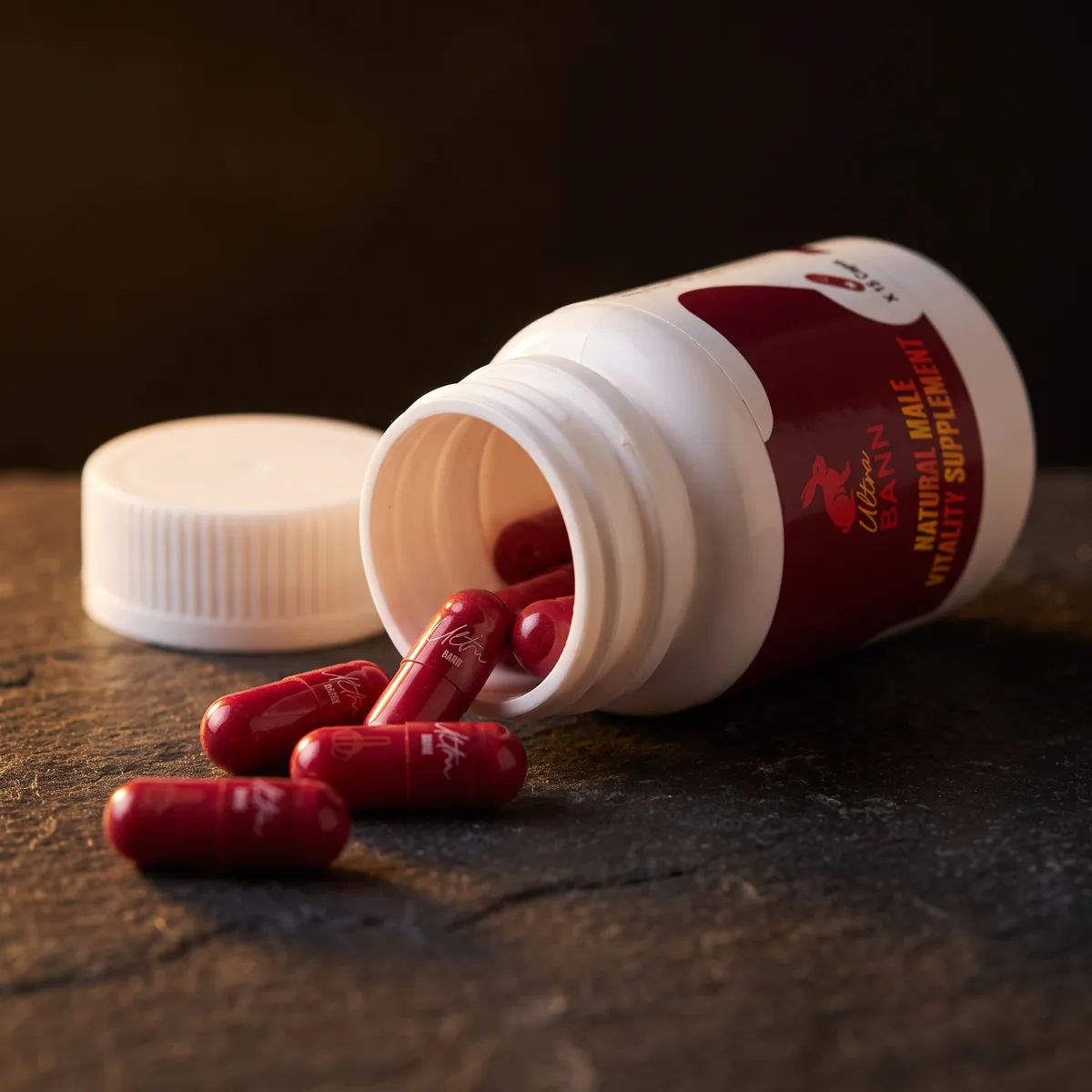
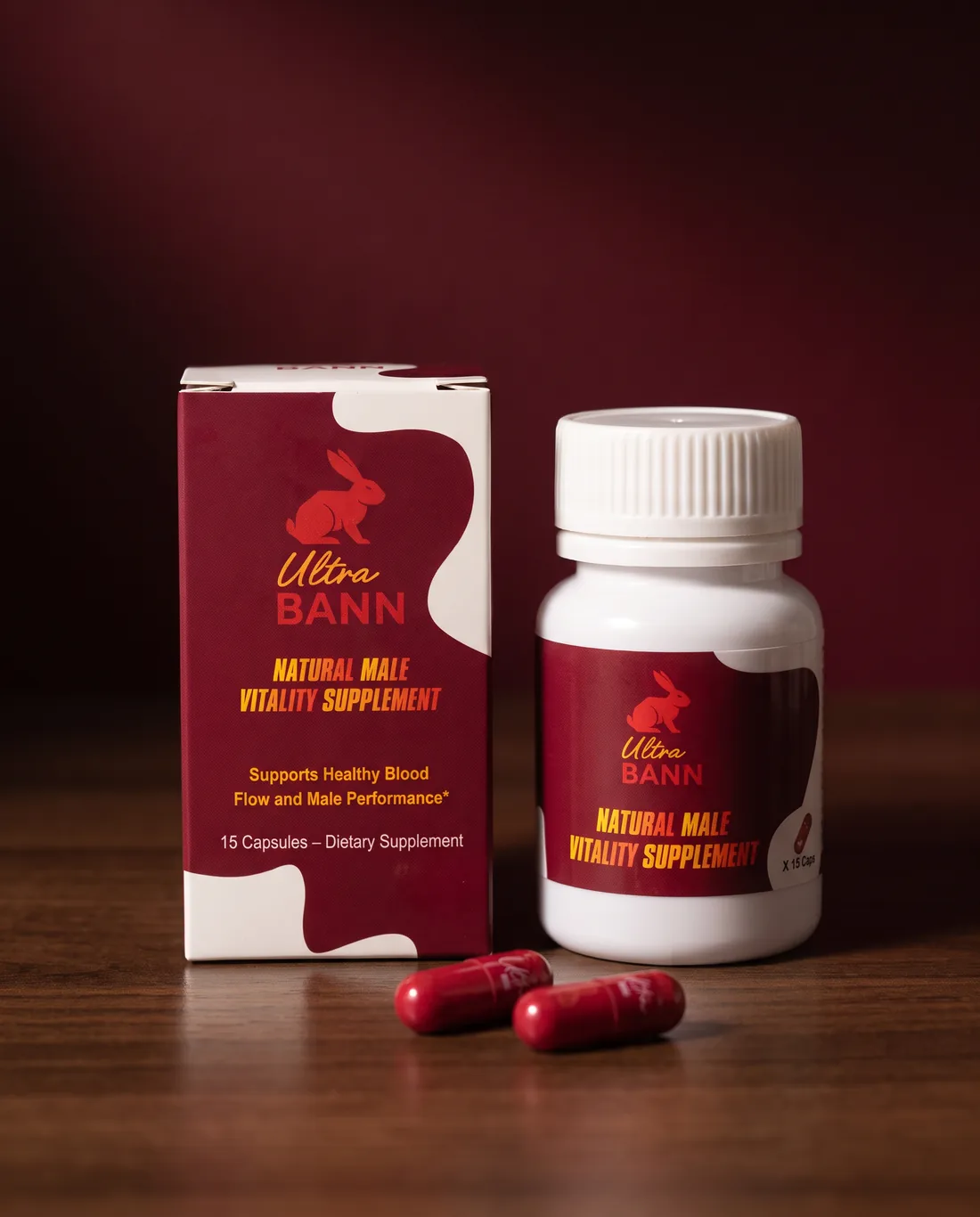
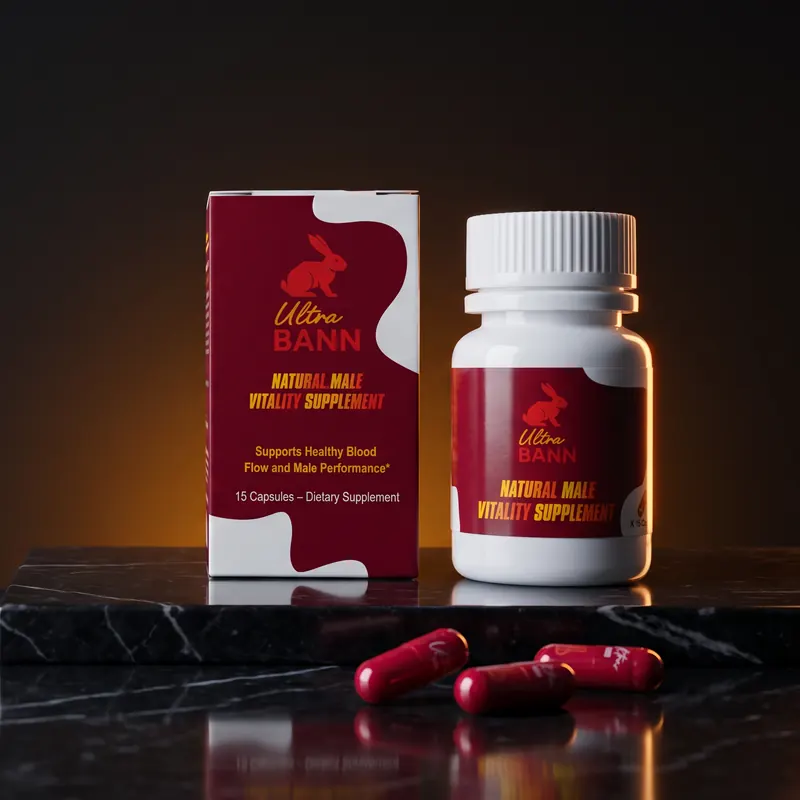
The article highlights the challenge of navigating supplement safety through careful monitoring and evaluation. If you are concerned about ingredient safety, possible interactions, and maintaining long-term health while improving male sexual performance, Ultra Bann offers a trusted, natural solution designed with transparency and quality assurance in mind. Understanding how to check ingredient safety and regulatory approvals aligns perfectly with our commitment to providing supplements that prioritize your well-being.
Explore the scientifically backed formulas in our Herbal Supplement collection that focus on safe, effective enhancement.
Ready to feel confident about your supplement choices? Visit Ultra Bann Shop to discover our premium products. For those seeking a comprehensive approach, our Supplement Bundle offers a curated selection designed to maximize benefits while minimizing risks. Act now to start your journey toward enhanced health with a supplement you can trust.
Frequently Asked Questions
What information should I gather to monitor supplement safety?
Start by collecting key details from the supplement label, including the full ingredient list, recommended dosage, and any potential interactions with medications. Photograph or digitally save this information for easy reference during medical consultations.
How can I check the safety of supplement ingredients?
Research each ingredient’s background and look for potential interactions with your current medications. Consult with a healthcare provider to confirm the safety of ingredients, especially concerning any health conditions you may have.
What regulatory approvals and certifications should I look for in supplements?
Evaluate whether the supplement has third-party certifications that verify ingredient safety and manufacturing standards. Ensure that the manufacturer complies with Food and Drug Administration guidelines and that the product has undergone independent lab testing for quality assurance.
How do I monitor my body’s response to dietary supplements?
Keep a detailed symptom journal to track any unexpected changes after starting a new supplement. Document signs like digestive issues or energy level fluctuations to help identify potential side effects early.
How often should I review my supplement safety and effectiveness?
Conduct an annual review of your supplement regimen, focusing on any changes in health status and potential interactions with new medications. Adjust your supplement intake based on recent scientific research and consult with your healthcare professional during these reviews.
What should I do if I experience side effects from a supplement?
If you notice severe or persistent side effects, consult a healthcare professional immediately. Document your symptoms, including timing and possible triggers, to provide detailed information for your consultation.