Finding reliable natural solutions for erectile dysfunction can feel overwhelming when faced with countless supplement options. For many American men, understanding supplement labels is a crucial step toward making confident, informed choices. This guide offers practical strategies to help you evaluate ingredients, dosages, and safety certifications with clarity, so you can select products that genuinely align with your health goals and preferences. Bold decisions start with reading supplement labels for quality and reliability.
Table of Contents
- Step 1: Prepare By Gathering Your Supplement Options
- Step 2: Identify And Understand Key Ingredient Information
- Step 3: Evaluate Dosages And Daily Value Percentages
- Step 4: Check For Safety Certifications And Disclaimers
- Step 5: Verify Claims With Evidence And Third-Party Reviews
Quick Summary
| Key Point | Explanation |
|---|---|
| 1. Gather diverse supplement options | Collect various supplements by assessing health goals and preferences to effectively meet nutritional needs. |
| 2. Evaluate ingredient information critically | Carefully analyze active ingredients, their amounts, and any allergens to ensure safety and effectiveness. |
| 3. Understand dosage and daily values | Compare nutrient percentages against recommended intakes to make informed decisions about your supplement consumption. |
| 4. Check for safety certifications | Look for recognized safety seals and certifications to ensure product reliability and quality before using any supplement. |
| 5. Verify claims with evidence | Cross-reference supplement claims with credible scientific research and reviews to distinguish legitimate products from marketing exaggerations. |
Step 1: Prepare by gathering your supplement options
Reading supplement labels starts with strategic preparation and understanding your available options. Before diving into label details, you’ll want to collect multiple supplement choices that might meet your specific health needs.
To begin gathering supplement options effectively, focus on several key strategies. First, assess your personal health goals and dietary requirements. Dietary supplement research indicates supplements come in various forms like tablets, capsules, and powders, so understanding your preferences matters.
Here are some practical steps for collecting supplement options:
- Check local pharmacies and health stores for initial selections
- Review online marketplaces with verified supplement retailers
- Consider recommended brands with third-party testing
- Examine different formulation types (capsules, liquids, tablets)
- Compare ingredient lists across multiple products
As you compile potential supplements, pay attention to product diversity and quality. Supplement evaluation strategies recommend looking for certification seals from reputable third-party organizations to ensure product reliability.
Quick insight: Not all supplements are created equal. Quality matters more than quantity.
Your initial collection should represent a range of options that potentially address your specific health objectives. Research thoroughly and remain open to comparing multiple products before making a final selection.
To help you compare different supplement options efficiently, here’s a summary table outlining key factors that can influence your selection:
| Factor | Importance | How It Impacts Your Choice |
|---|---|---|
| Formulation Type | Capsule, tablet, powder | May affect absorption, convenience |
| Certification Seal | USP, NSF, GMP, others | Indicates quality and safety |
| Ingredient Diversity | Number/type of ingredients | Determines suitability for your needs |
| Brand Reputation | Trusted, third-party tested | Impacts reliability and trust |
| Price Range | Affordable to premium | Influences value and budgeting |
Pro tip: Create a spreadsheet to track different supplement options, noting key details like ingredients, certifications, and pricing for easy comparison.
Step 2: Identify and understand key ingredient information
Reading supplement labels requires a strategic approach to deciphering ingredient information. In this step, you’ll learn how to break down and understand the critical details that reveal a supplement’s true composition and potential effectiveness.
Supplement ingredient research demonstrates the importance of carefully examining each component listed on the label. Understanding ingredient details helps you make informed decisions about supplement safety and potential benefits.
Here are essential strategies for analyzing supplement ingredients:
- Look for clearly listed active ingredients
- Check the quantity of each ingredient per serving
- Identify standardized herbal extracts or specific compound percentages
- Research unfamiliar ingredient names
- Note potential allergens or synthetic additives
FDA supplement labeling guidelines recommend paying close attention to the Supplement Facts panel, which provides precise details about ingredient amounts and serving sizes.
Understanding ingredient details is more than reading text. It’s about comprehending what each component means for your health.
Consider consulting healthcare professionals or using reputable online resources to validate ingredient effectiveness and potential interactions with existing medications.
For a quick overview of supplement label components, refer to this reference table highlighting what each part means:
| Label Section | What It Shows | Why It Matters |
|---|---|---|
| Supplement Facts | Nutrient amounts per serving | Helps assess nutritional value |
| Ingredient List | Active and inactive compounds | Identifies sources and allergens |
| Certifications | Quality seals and testing | Confirms independent safety checks |
| Disclaimers | Mandatory warnings | States risks and regulatory info |
Pro tip: Create a quick reference guide of ingredient meanings, including their potential benefits and recommended daily intake, to streamline your supplement selection process.
Step 3: Evaluate dosages and daily value percentages
Understanding supplement dosages and daily value percentages is crucial for making informed health decisions. This step will help you decode the numerical information on supplement labels and determine whether a product meets your nutritional needs.
Supplement dosage guidelines reveal the importance of carefully analyzing nutrient percentages and recommended intake levels. Daily value percentages provide a critical snapshot of how much a specific nutrient contributes to your overall dietary requirements.
Here are key strategies for evaluating dosages and daily value percentages:
- Compare the percentage daily value to your recommended nutritional intake
- Check if dosages exceed the tolerable upper intake levels
- Understand the difference between Recommended Daily Allowance (RDA) and Maximum Daily Intake
- Consider your individual nutritional needs and health status
- Look for potential interactions with other supplements or medications
Nutrition experts recommend paying close attention to the specific percentages and understanding how they relate to your personal health requirements.
Not all percentages are created equal. Context and individual health needs matter more than raw numbers.
Remember that exceeding recommended dosages can potentially lead to adverse health effects. When in doubt, consult a healthcare professional who can provide personalized guidance based on your specific health profile.
Pro tip: Create a personal nutrition tracking sheet to monitor your supplement intake and compare it against recommended daily values, helping you maintain a balanced approach to supplementation.
Step 4: Check for safety certifications and disclaimers
Verifying supplement safety requires a critical eye and understanding of key certification markers. In this step, you’ll learn how to identify trustworthy safety indicators that protect your health and ensure product quality.
Supplement safety certifications play a crucial role in determining a supplement’s reliability. Third-party testing provides an independent validation of product ingredients and manufacturing standards.
Here are essential strategies for checking safety certifications and disclaimers:
- Look for seals from reputable organizations like U.S. Pharmacopeia (USP)
- Verify NSF International certification
- Examine GMP (Good Manufacturing Practice) credentials
- Read mandatory FDA disclaimer language
- Check for potential interaction warnings
FDA supplement guidelines emphasize the importance of understanding product limitations and potential risks before consumption.
Not all certifications are equal. Dig deeper than surface-level marketing claims.
Be especially cautious of supplements making extraordinary health claims or lacking clear certification information. Legitimate products will transparently display their safety credentials and potential limitations.
Pro tip: Develop a quick reference checklist of recognized safety certification seals to streamline your supplement evaluation process.
Step 5: Verify claims with evidence and third-party reviews
Navigating supplement claims requires a skeptical and investigative approach. In this critical step, you’ll learn how to separate marketing hype from scientifically validated information and make informed purchasing decisions.
Dietary supplement research emphasizes the importance of cross-checking product claims with credible, evidence-based sources. Understanding the distinction between promotional language and genuine scientific support is key to protecting your health and investment.
Here are strategic methods for verifying supplement claims:
- Consult scientific databases like PubMed and NIH fact sheets
- Review peer-reviewed research on specific ingredients
- Check independent laboratory testing results
- Compare claims across multiple reputable sources
- Look for consistent, reproducible scientific evidence
Independent health experts recommend thoroughly investigating product claims before making a purchase.
Marketing promises are not scientific proof. Evidence matters more than persuasive language.
Be particularly cautious of supplements making extraordinary health claims or promising instant results. Legitimate products will have transparent, verifiable research supporting their effectiveness.
Pro tip: Create a digital folder to save scientific research and third-party reviews for supplements you’re considering, building a personal reference library for informed decision-making.
Take Control of Your Health with Confident Supplement Choices
Navigating the complexities of supplement labels can be overwhelming, especially when you want to ensure safety, effectiveness, and quality. This article highlighted key challenges like deciphering ingredient amounts, understanding certification seals, and evaluating dosage percentages. If you are seeking reliable, natural solutions to support male vitality, it is crucial to choose products backed by transparent labeling and trustworthy evidence.
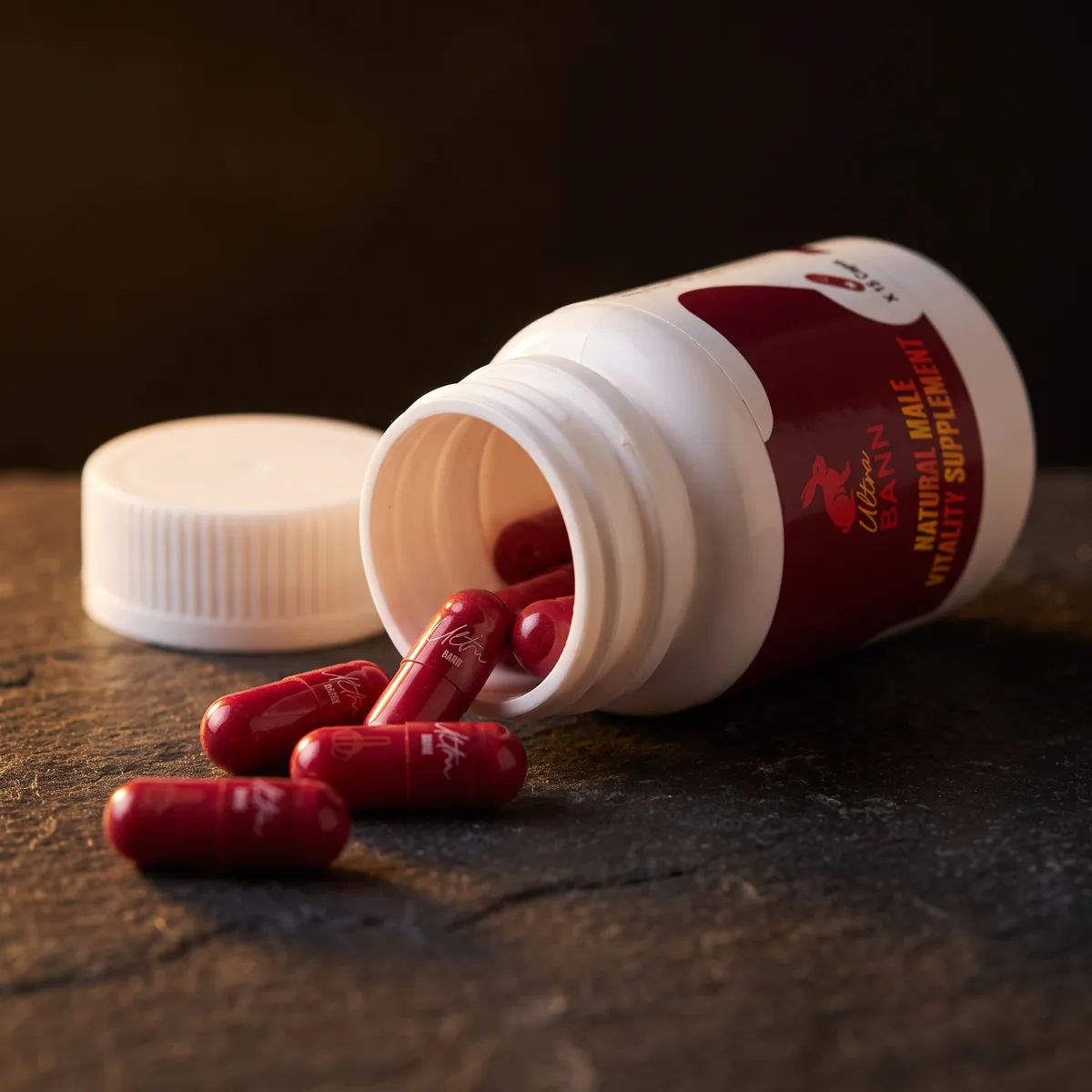
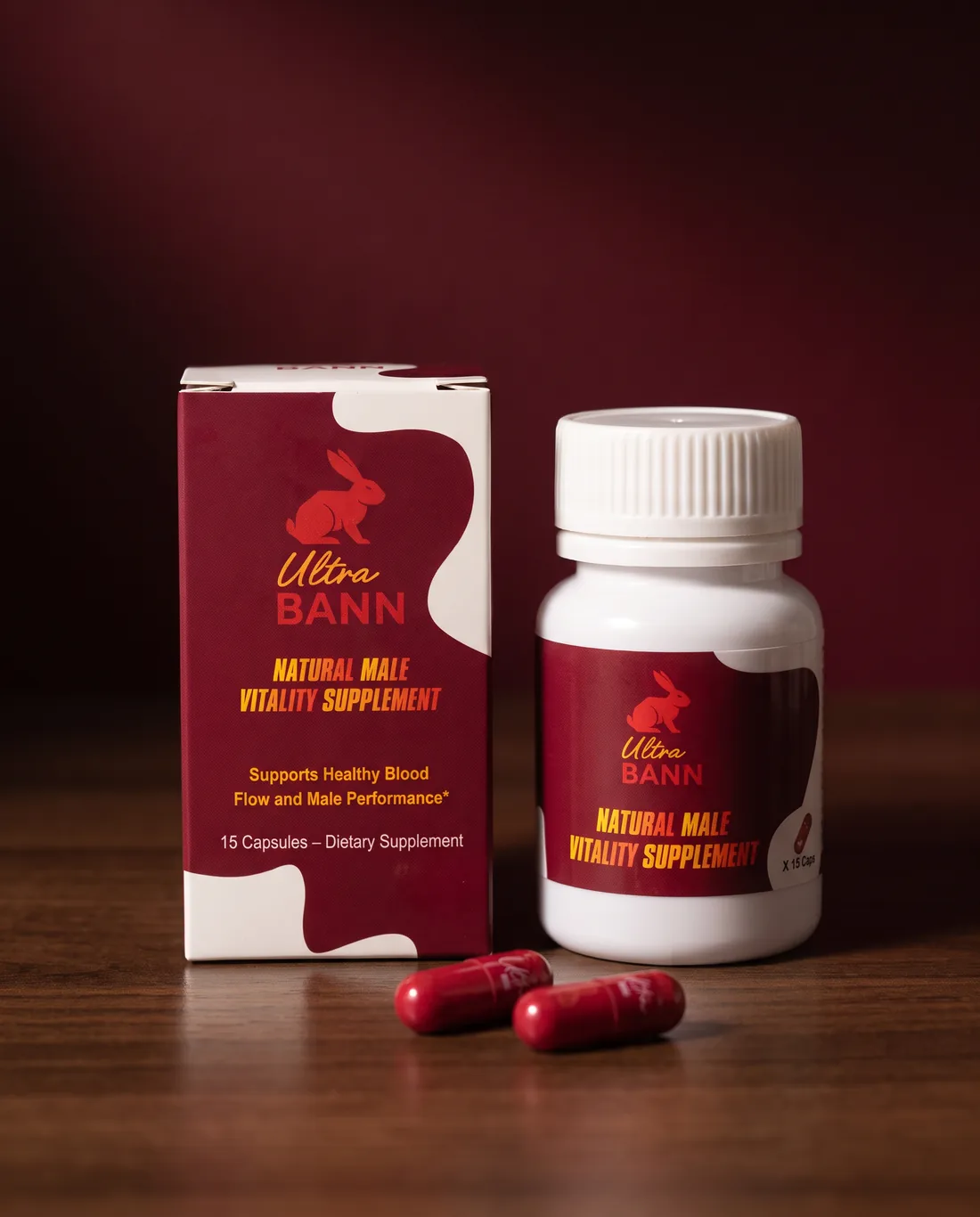
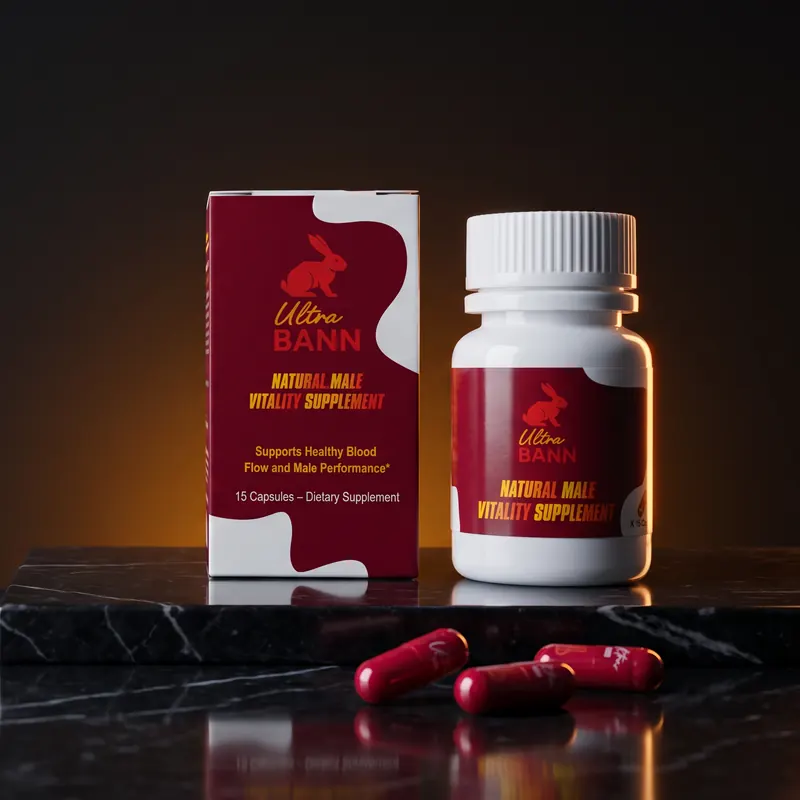
Discover the power of natural enhancement with Ultra Bann Herbal Supplement. Our carefully crafted formulas prioritize ingredient clarity and safety certifications you can trust. Whether you want to explore multiple options, consider convenient bundles, or learn more on our Supplement Bundle page, we provide the resources to help you make smart, confident choices.
Ready to take the next step? Visit Ultra Bann Shop now to explore detailed product information, real customer feedback, and easy ordering options designed for men who demand quality and transparency in their supplements. Don’t wait to experience natural, effective support for your health and confidence.
Frequently Asked Questions
How can I effectively prepare to read supplement labels?
To effectively prepare to read supplement labels, start by gathering a range of supplement options that align with your health goals. Create a list of key factors to consider, such as formulation types and ingredient diversity, to streamline your comparison process.
What should I look for in the ingredient list on a supplement label?
When examining the ingredient list, focus on the active ingredients and their quantities per serving. Research any unfamiliar ingredients and check for potential allergens to ensure the supplement meets your health needs.
How do I evaluate dosages and daily value percentages on supplement labels?
To evaluate dosages and daily value percentages, compare the percentages to your recommended daily intake. Check that the dosages fall within safe limits and align with your individual nutritional needs, adjusting your supplement choices accordingly.
What safety certifications should I look for on supplement labels?
Look for safety certifications such as U.S. Pharmacopeia (USP) or NSF International seals on supplement labels. These indicate that the product has undergone independent testing and meets quality standards, ensuring you can trust the product’s safety and reliability.
How can I verify the claims made on supplement labels?
To verify claims made on supplement labels, consult scientific research databases and review peer-reviewed studies related to the supplement’s ingredients. Make sure to cross-reference claims with multiple reputable sources to confirm their validity and relevance to your health goals.