Dragging yourself out of bed each morning only to face constant fatigue and a fading sex drive can feel both frustrating and isolating. For many American men between 30 and 50, these are more than just signs of getting older—they could be clues of low testosterone impacting your energy, mood, and relationships. Understanding the difference between simple burnout and low testosterone helps you take the first step in choosing natural support and practical solutions for renewed sexual health and confidence.
Table of Contents
- Defining Low Testosterone In Men
- Most Frequent Symptoms And Variations
- Physical, Sexual, And Emotional Impacts
- Common Misconceptions And Overlapping Symptoms
- Comparing Natural And Clinical Support Options
Key Takeaways
| Point | Details |
|---|---|
| Low Testosterone Affects Multiple Areas | Low testosterone impacts physical, sexual, and emotional health, necessitating comprehensive medical evaluation. |
| Holistic Diagnostic Approach Recommended | Diagnosis involves blood tests, clinical assessments, and symptom tracking to ensure accurate understanding and management. |
| Natural and Clinical Management Options | Effective testosterone management includes both natural lifestyle modifications and clinical treatments tailored to individual patient needs. |
| Common Misconceptions Must Be Addressed | Understanding myths about testosterone can clarify its role and improve treatment approaches for men experiencing related symptoms. |
Defining Low Testosterone in Men
Low testosterone, or male hypogonadism, represents a complex hormonal condition where men experience decreased production of testosterone, the primary male sex hormone critical for multiple bodily functions. Male testosterone deficiency involves significant physiological challenges that impact overall health and wellness.
Testosterone plays a pivotal role in multiple male biological systems, regulating essential functions such as:
- Muscle mass development
- Bone density maintenance
- Red blood cell production
- Sexual and reproductive function
- Fat distribution
- Muscle strength
- Cognitive performance
Medical professionals typically diagnose low testosterone when blood tests reveal levels below 300 nanograms per deciliter. The condition can arise from various underlying factors, including:
- Testicular dysfunction
- Pituitary gland complications
- Hypothalamic disorders
- Age-related hormonal decline
- Chronic medical conditions
Low testosterone is not just about sexual health—it’s a comprehensive hormonal imbalance affecting multiple body systems.
The diagnostic process involves comprehensive blood testing and careful assessment of clinical symptoms. Testosterone deficiency guidelines recommend a holistic approach that considers both quantitative measurements and qualitative patient experiences.
Pro tip: Consult an endocrinologist for precise testosterone level assessment and personalized treatment strategies.
Most Frequent Symptoms and Variations
Low testosterone presents a complex array of symptoms that can significantly impact a man’s physical, emotional, and sexual health. Testosterone deficiency symptoms manifest differently across individuals, making comprehensive understanding crucial for effective management.
The most common symptoms of low testosterone include:
- Reduced sexual drive
- Erectile dysfunction
- Persistent fatigue
- Decreased muscle mass
- Increased body fat
- Mood changes and depression
- Reduced body hair
- Decreased bone density
- Diminished cognitive function
- Lower energy levels
Men experiencing these symptoms should understand that low testosterone variations can stem from multiple underlying health conditions. Factors like diabetes, obesity, chronic stress, and aging can contribute to hormonal imbalances that trigger these manifestations.
Not every symptom indicates low testosterone, but consistent patterns warrant professional medical evaluation.
Clinical assessments typically involve comprehensive blood tests, physical examinations, and detailed symptom tracking. Age plays a significant role in testosterone fluctuations, with symptoms often becoming more pronounced after 40.
Pro tip: Track your symptoms consistently and maintain a detailed health journal to help your healthcare provider diagnose potential testosterone-related issues.
Physical, Sexual, and Emotional Impacts
Low testosterone profoundly impacts multiple dimensions of male health, creating complex challenges that extend far beyond simple hormonal imbalance. Testosterone deficiency impacts demonstrate how this condition can dramatically alter a man’s overall quality of life.
Physical manifestations of low testosterone include:
- Significant muscle mass reduction
- Decreased bone density
- Increased body fat percentage
- Higher fracture risk
- Reduced physical strength
- Diminished muscle tone
- Potential weight gain
- Decreased body hair
Sexually, men may experience profound challenges such as:
- Reduced libido
- Erectile dysfunction
- Decreased sexual performance
- Potential fertility issues
- Lower sexual satisfaction
- Reduced sexual confidence
Emotional symptoms of hypogonadism can be equally devastating, potentially triggering:
- Persistent irritability
- Mood swings
- Depressive episodes
- Concentration difficulties
- Reduced motivation
- Increased anxiety
- Emotional instability
Testosterone isn’t just a sexual hormone—it’s a critical regulator of physical, sexual, and emotional well-being.
Understanding these interconnected impacts helps men recognize the comprehensive nature of testosterone’s role in their overall health. Each symptom represents a potential signal that warrants professional medical evaluation and potential intervention.
The following table summarizes the main impact areas of low testosterone across physical, sexual, and emotional domains:
| Impact Area | Example Effects | Potential Risks |
|---|---|---|
| Physical | Muscle loss, increased fat | Osteoporosis, frailty |
| Sexual | Low libido, ED, fertility | Relationship stress, dissatisfaction |
| Emotional | Depression, low motivation | Poor work performance, anxiety |
Pro tip: Maintain a comprehensive symptom journal documenting physical, sexual, and emotional changes to provide your healthcare provider with detailed insights.
Common Misconceptions and Overlapping Symptoms
Testosterone misconceptions often create confusion and misunderstanding about male hormonal health. Low testosterone myths persist, making it crucial to separate fact from fiction and understand the complex nature of hormonal changes.
Common misconceptions about testosterone include:
- Vasectomies cause testosterone decline
- Masturbation permanently lowers testosterone
- Only older men experience testosterone issues
- Sexual problems are always testosterone-related
- Supplements can instantly restore hormone levels
- Testosterone problems are purely psychological
Symptoms that frequently overlap with low testosterone include:
- Chronic fatigue
- Mood fluctuations
- Depression
- Reduced energy levels
- Sleep disturbances
- Weight management challenges
- Cognitive performance issues
Testosterone level complexities demonstrate that multiple factors contribute to hormonal variations, such as:
- Obesity
- Metabolic syndrome
- Chronic medical conditions
- Lifestyle factors
- Aging processes
- Stress levels
Not all symptoms indicating potential testosterone issues are definitively linked to hormonal imbalances.
Accurate diagnosis requires comprehensive medical evaluation, including detailed blood tests, clinical symptom assessment, and ruling out other potential health conditions. Healthcare professionals recommend a holistic approach to understanding and addressing potential testosterone-related concerns.
Pro tip: Schedule a comprehensive hormone panel with an endocrinologist to obtain a precise, nuanced understanding of your testosterone levels and overall hormonal health.
Comparing Natural and Clinical Support Options
Testosterone management requires a nuanced approach that balances natural interventions and clinical treatments. Treatment strategies for low testosterone involve multiple pathways tailored to individual health profiles and symptom severity.
Natural support options include:
- Regular physical exercise
- Weight management
- Balanced nutrition
- Stress reduction techniques
- Adequate sleep
- Limiting alcohol consumption
- Maintaining healthy body composition
- Minimizing chronic stress
Clinical support methods encompass:
- Testosterone replacement therapy (TRT)
- Transdermal gels
- Injectable testosterone
- Testosterone pellets
- Oral testosterone medications
- Comprehensive hormone panel assessments
Clinical testosterone management requires careful medical supervision and involves evaluating specific treatment approaches:
- Assessing individual hormonal baseline
- Determining symptom severity
- Identifying underlying health conditions
- Monitoring potential side effects
- Adjusting treatment protocols
- Regular follow-up assessments
Effective testosterone management is not one-size-fits-all but a personalized healthcare journey.
The most successful approaches often integrate both natural lifestyle modifications and targeted clinical interventions, recognizing that hormonal health requires comprehensive, multifaceted strategies.
Here’s a quick reference comparing natural and clinical approaches to managing low testosterone:
| Approach Type | Key Methods | Advantages | Considerations |
|---|---|---|---|
| Natural Strategies | Exercise, diet, sleep | Promotes overall health improvements | Slow-acting, effectiveness varies |
| Clinical Treatments | TRT, gels, injectables | Can provide rapid symptom relief | Requires medical supervision |
| Combined Approach | Lifestyle + medical care | Addresses multiple health factors | Needs personalized planning |
Pro tip: Consult an endocrinology specialist to develop a personalized testosterone management plan that combines natural approaches with clinical expertise.
Take Control of Low Testosterone Symptoms with Natural Support
Low testosterone can affect your energy, mood, and sexual health in ways that reduce your confidence and quality of life. If you are experiencing symptoms like reduced libido, fatigue, or muscle loss, you are not alone in facing these challenges. Understanding the impact of testosterone deficiency is the first step toward reclaiming your vitality.
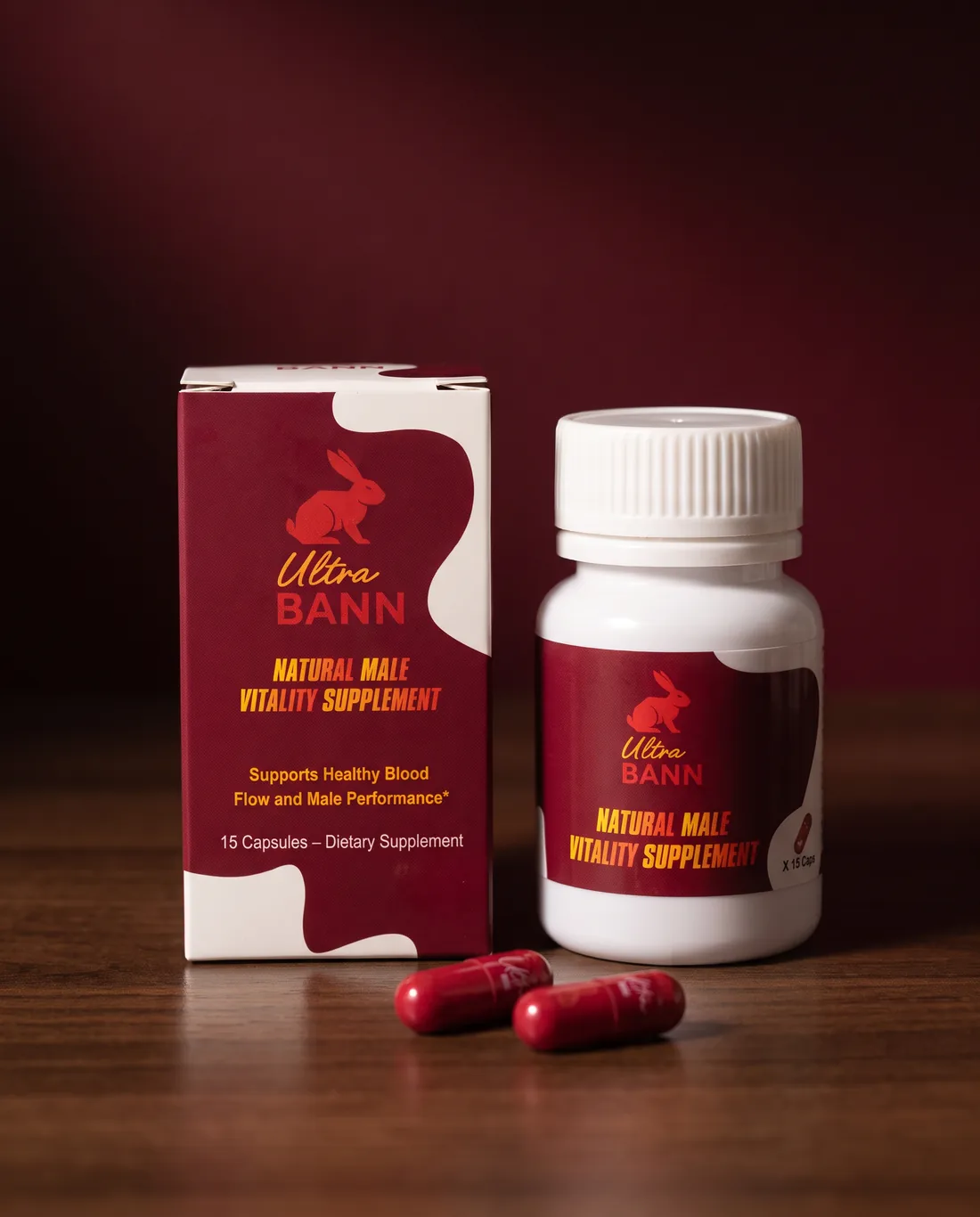
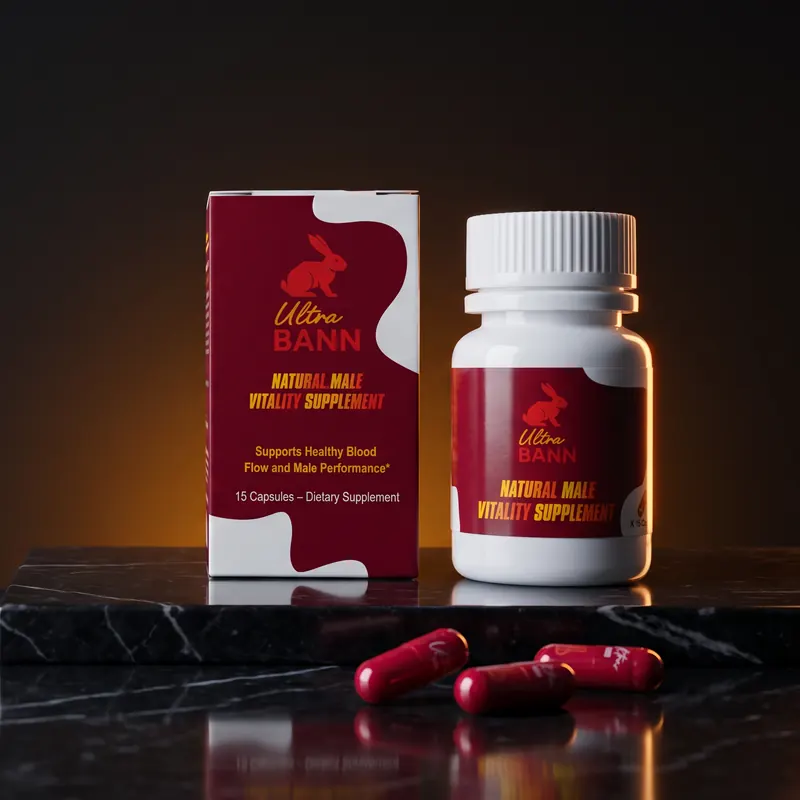
Discover how natural supplementation can help support your body’s hormone balance and boost your sexual performance. At Ultra Bann, we offer powerful, natural Testosterone Boosters designed to enhance erection quality and increase stamina without the risks associated with prescription therapies.
Don’t wait for symptoms to worsen. Visit ultrabann.com today to explore our trusted supplements and take the first step toward restoring your health and confidence. Harness the potential of scientifically backed ingredients tailored for men who want real results now.
Frequently Asked Questions
What are the common symptoms of low testosterone in men?
The most common symptoms of low testosterone include reduced sexual drive, erectile dysfunction, persistent fatigue, decreased muscle mass, increased body fat, mood changes, reduced body hair, and diminished cognitive function.
How is low testosterone diagnosed in men?
Low testosterone is diagnosed through blood tests that measure testosterone levels. A level below 300 nanograms per deciliter often indicates low testosterone. Medical professionals also assess clinical symptoms and medical history during the diagnostic process.
What are the physical impacts of low testosterone on men’s health?
Physical impacts of low testosterone can include significant muscle mass reduction, decreased bone density, increased body fat percentage, higher fracture risk, reduced physical strength, and diminished muscle tone. Chronic fatigue and lower energy levels may also occur.
Can lifestyle changes help manage low testosterone levels?
Yes, natural support options such as regular physical exercise, balanced nutrition, adequate sleep, weight management, and stress reduction techniques can significantly help in managing low testosterone levels alongside clinical treatments.