Managing Performance Expectations for Better Sexual Health Results

Feeling uncertain about sexual performance can quietly chip away at a man’s confidence, especially when solutions seem confusing or out of reach. Addressing these challenges starts with an honest self-assessment of your current sexual health, a process both the Cleveland Clinic and American Academy of Pediatrics highlight as critical for improvement. This guide walks you through practical steps to better understand your experiences, set realistic goals, and foster open communication with your partner for real progress.

Table of Contents

Quick Summary

Key InsightExplanation
1. Conduct Honest Self-EvaluationAssess your sexual health performance openly to understand areas needing improvement. Create a judgment-free space for reflection.
2. Recognize Influential FactorsIdentify personal and cultural influences that shape your expectations and perceptions regarding sexual health. This aids in developing realistic goals.
3. Set Attainable Sexual Health GoalsEstablish specific, measurable, and realistic objectives for your sexual wellness to promote active improvement and personal growth.
4. Promote Open CommunicationEngage in honest dialogues with your partner about sexual health to foster understanding, intimacy, and comfort in the relationship.
5. Monitor Progress RegularlyRegularly track improvements and adjust your goals accordingly, embracing the dynamic nature of sexual health and personal growth.

Step 1: Assess Your Current Performance Honestly

In this critical first step, you’ll learn how to conduct an honest self-evaluation of your sexual health and performance. Understanding where you are right now is the foundation for meaningful improvement.

Self-assessment requires genuine courage and vulnerability. The Cleveland Clinic highlights how sexual performance anxiety impacts sexual health, making it crucial to look at your current situation objectively. Start by creating a private, judgment-free space where you can reflect honestly on your experiences.

Consider evaluating your performance across several key dimensions:

  • Physical Stamina: How long can you maintain sexual activity?
  • Emotional Readiness: What internal pressures or anxieties affect your performance?
  • Partner Satisfaction: Have you discussed sexual experiences with your partner?
  • Personal Comfort: How comfortable do you feel during intimate moments?

Tracking these areas requires brutal honesty. Don’t judge yourself harshly – view this as a diagnostic process. The American Academy of Pediatrics emphasizes honest self-assessment’s importance in sexual health, which applies equally to adult men.

Honest self-reflection is not about criticism, but about understanding and growth.

Remember that performance challenges are common and normal. Your willingness to assess yourself objectively is already a significant step toward improvement.

Pro tip: Keep a private journal to track your observations without judgment, allowing you to notice patterns and progress over time.

Step 2: Identify Influences Impacting Expectations

In this crucial step, you’ll explore the complex landscape of factors that shape your sexual health expectations and performance perceptions. Understanding these influences helps you develop a more realistic and compassionate view of your sexual wellness.

Research on sexual health information barriers reveals that expectations are deeply rooted in personal, cultural, and systemic experiences. These influences can significantly impact how you view and approach sexual performance.

Key influences affecting sexual health expectations include:

  • Family Communication: How openly sexual topics were discussed growing up
  • Cultural Background: Societal norms and traditions surrounding masculinity and sexuality
  • Personal Experiences: Past interactions, relationships, and intimate encounters
  • Media Exposure: Unrealistic portrayals of sexual performance in entertainment
  • Peer Interactions: Conversations and perceived standards among friends

The U.S. Office of Population Affairs emphasizes understanding systemic factors that shape sexual health expectations. These can range from healthcare access to educational opportunities that inform your understanding.

Your sexual health expectations are a complex interaction of personal history, cultural context, and individual experiences.

Recognize that these influences are not limitations but insights. By understanding them, you can develop a more nuanced and compassionate approach to your sexual wellness.

Here is a summary of factors that can shape your sexual health expectations:

Influence TypeTypical ExampleImpact on Sexual Wellness
Family CommunicationOpenness at homeAffects comfort discussing intimacy
Cultural BackgroundSocietal views on masculinityShapes beliefs about performance
Media ExposureMovies or TV portrayalsCan set unrealistic standards
Peer InteractionsConversations with friendsInfluences perceived norms
Personal ExperiencePrevious relationshipsAffects self-confidence and expectations

Pro tip: Consider discussing these influences with a trusted healthcare professional or counselor who can provide objective guidance and support.

Step 3: Set Realistic and Achievable Sexual Health Goals

In this step, you’ll learn how to establish meaningful sexual health goals that are both motivating and attainable. Setting clear, practical objectives helps transform your approach from passive concern to active improvement.

The CDC’s health education guidelines emphasize creating clear sexual health goals that align with your personal wellness journey. These goals should be specific, measurable, and tailored to your individual needs and experiences.

Consider developing goals across multiple dimensions:

  • Physical Goals: Improving stamina and overall sexual performance
  • Emotional Goals: Building confidence and reducing performance anxiety
  • Relational Goals: Enhancing communication with your partner
  • Personal Growth Goals: Understanding your body and sexual health better
  • Wellness Goals: Supporting overall health that impacts sexual function

The U.S. Office of Population Affairs recommends evidence-based strategies for setting sexual health objectives. This means basing your goals on realistic expectations and comprehensive understanding.

Goals are roadmaps, not rigid demands. They guide your journey, not define your worth.

Remember that goal-setting is a dynamic process. Be patient with yourself and remain open to adjusting your objectives as you gain more insights and experience.

Pro tip: Write down your goals and review them quarterly, celebrating small victories and recalibrating your approach as needed.

Individual journaling sexual health goals

Step 4: Communicate Openly With Your Partner

In this critical step, you’ll develop the essential skills for creating honest, supportive dialogues about sexual health with your partner. Communication is the foundation of intimate connection and mutual understanding.

Sexual communication requires developing specific skills that help you express your needs, desires, and concerns with confidence and respect. Effective communication transforms potential awkwardness into genuine connection.

Key strategies for open sexual communication include:

  • Creating Safe Spaces: Choose private, comfortable settings for discussions
  • Using Positive Language: Frame conversations around mutual pleasure and understanding
  • Practicing Active Listening: Hear your partner’s perspective without judgment
  • Expressing Vulnerability: Share your feelings and concerns authentically
  • Establishing Boundaries: Clearly communicate personal comfort levels

Planned Parenthood recommends approaching these conversations with compassion and mutual respect, recognizing that open dialogue strengthens emotional and physical intimacy.

Honest communication is not about perfection, but about creating understanding and connection.

Remember that communication is a skill. Each conversation builds trust and brings you closer to a more fulfilling intimate relationship.

Pro tip: Practice these conversations during non-intimate moments, using calm and supportive language, to reduce performance pressure and build mutual comfort.

Step 5: Monitor Improvements and Adjust Expectations

In this crucial final step, you’ll learn how to track your sexual health progress thoughtfully and make informed adjustments. Monitoring is about understanding your journey, not judging your performance.

Infographic outlining sexual health performance steps

The CDC emphasizes continuous quality improvement in health outcomes, which applies perfectly to sexual wellness. Think of this process as a dynamic, evolving strategy rather than a rigid set of expectations.

Key monitoring strategies include:

  • Regular Self-Assessment: Check in with yourself monthly
  • Performance Tracking: Note physical and emotional changes
  • Partner Feedback: Discuss progress openly and respectfully
  • Holistic Health Review: Consider how lifestyle impacts sexual wellness
  • Flexibility in Goals: Be willing to modify expectations

The U.S. Office of Population Affairs recommends strategic health monitoring that adapts to individual progress and changing circumstances.

Progress is not linear. Embrace the journey with patience and self-compassion.

Remember that sexual health is a personal, evolving experience. Your approach should remain flexible and kind.

This table highlights ways to track progress and adapt your approach for sexual health:

Monitoring MethodDescriptionBenefit
Self-AssessmentMonthly personal check-insOffers private insight into growth
Goal ReviewReflect quarterly on objectivesEncourages adaptation and progress
Partner DialogueRegular feedback sessionsBuilds shared understanding
Health CheckLifestyle and wellness reviewConnects habits to performance

Pro tip: Create a confidential digital or physical journal to track your progress, using neutral, non-judgmental language that focuses on growth and understanding.

Take Control of Your Sexual Health Journey Today

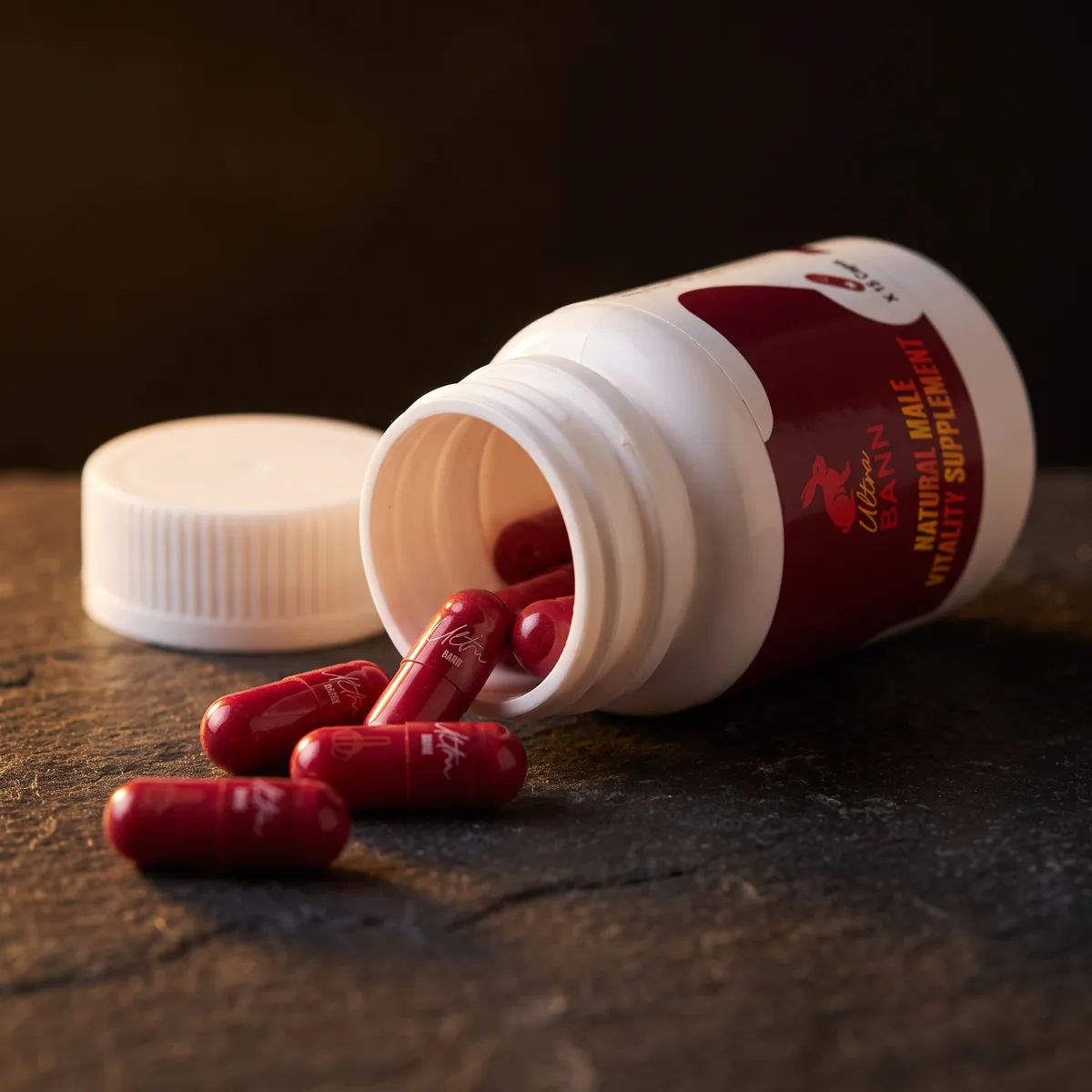
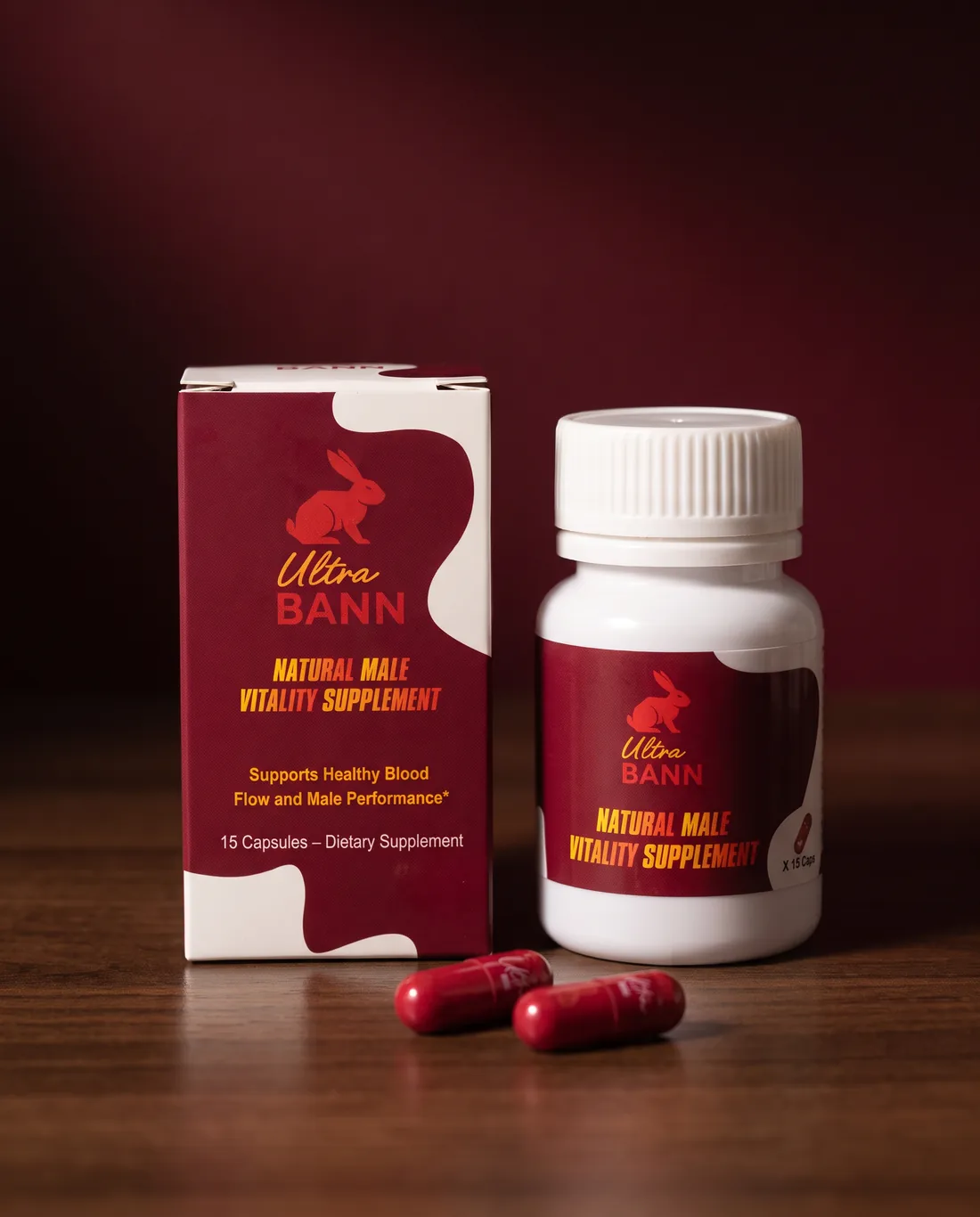
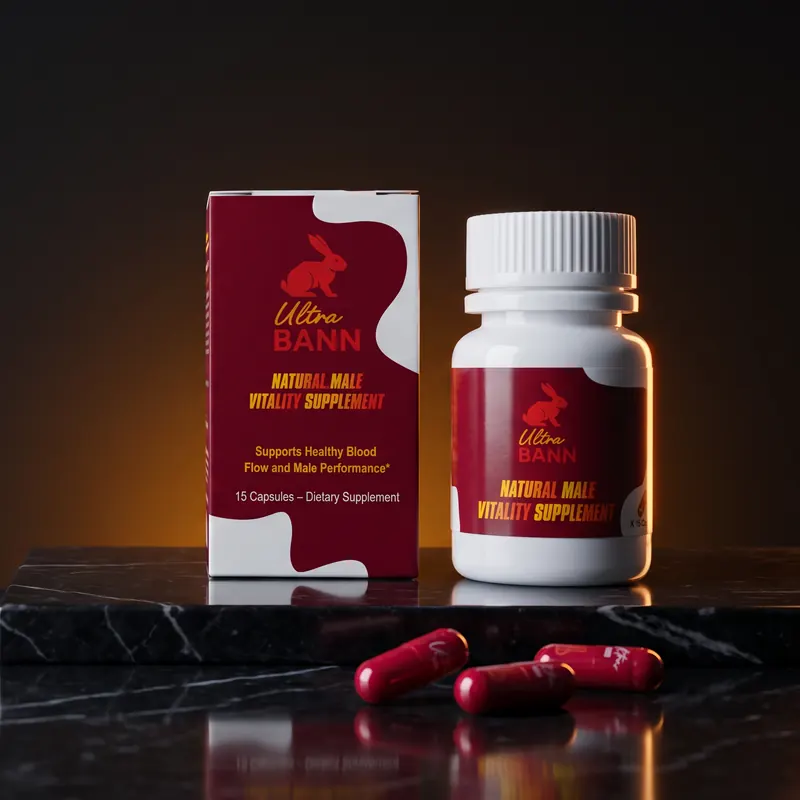
Managing performance expectations is a vital step toward lasting confidence and satisfaction. If you find yourself facing challenges like performance anxiety or unmet goals, you are not alone. The article highlights the importance of honest self-assessment and clear goal-setting to overcome these hurdles. To support you in this process, Ultra Bann offers a natural male enhancement supplement designed to boost stamina and reduce anxiety, helping you align your physical performance with your personal and relational expectations.

Experience the difference that a trusted, evidence-based product can make in realigning your sexual wellness journey. Visit Ultra Bann to learn more about the benefits, safety, and user testimonials that reinforce its role in supporting men eager to improve their intimate lives.

https://ultrabann.com

Ready to move from uncertainty to confidence? Take the first step by exploring how Ultra Bann can complement your commitment to honest self-assessment, effective goal setting, and open communication. Discover practical solutions today that resonate with your sexual health goals at ultrabann.com. Your journey to better sexual health results starts here.

Frequently Asked Questions

How can I assess my current sexual health performance?

To assess your current sexual health performance, evaluate several key dimensions such as physical stamina, emotional readiness, partner satisfaction, and personal comfort. Set aside a private time to reflect honestly on these aspects, and track your observations in a journal to notice patterns over the next few months.

What factors influence my sexual health expectations?

Factors influencing sexual health expectations include family communication around sexuality, cultural norms, personal experiences, media portrayals, and peer interactions. Recognize these influences and reflect on how they shape your perceptions, which will help you develop a more realistic view of your sexual health.

How should I set achievable sexual health goals?

Establish achievable sexual health goals by focusing on dimensions such as physical endurance, emotional confidence, and communication with your partner. Make sure your goals are specific and measurable, and write them down to revisit and adjust them quarterly as you progress.

What strategies can improve communication with my partner about sexual health?

To improve communication with your partner, create a safe and private space for discussions, use positive language, actively listen to their perspective, and express your feelings authentically. Practice these conversations regularly to enhance your mutual understanding and comfort during intimate moments.

How can I monitor my progress in improving sexual health?

Monitor your progress by conducting regular self-assessments, seeking feedback from your partner, and reviewing your goals. Check in with yourself monthly and be flexible with your expectations to adapt as you make improvements over time.

Recommended