Taking charge of your health in your 50s and 60s can feel overwhelming. You might worry about heart health, maintaining energy, or managing stress as your body changes with age. It’s not always clear which steps actually make a difference or how to fit healthy habits into your daily routine.
The good news is there are actionable habits that support your heart, mind, and overall vitality as you get older. Backed by the latest recommendations from United States health organizations, these strategies help you build confidence in your well-being—without having to overhaul your entire lifestyle at once.
You are about to discover methods that are practical, realistic, and tailored for American men who want to feel strong and stay active for years to come. Get ready to take simple, proven steps toward a healthier and more powerful future.
Table of Contents
- Prioritize Heart Health With Regular Exercise
- Maintain A Balanced Diet Rich In Nutrients
- Practice Stress Management For Mind And Body
- Focus On Quality Sleep Every Night
- Support Sexual Health With Natural Supplements
- Stay Socially Engaged And Build Relationships
- Schedule Routine Health Checkups Regularly
Quick Summary
| Key Insight | Explanation |
|---|---|
| 1. Prioritize Regular Exercise | Aim for at least 150 minutes of moderate aerobic activity weekly to strengthen your heart and improve overall health. |
| 2. Emphasize a Nutrient-Rich Diet | Incorporate whole foods like fruits, vegetables, whole grains, and lean proteins to boost energy and reduce chronic diseases. |
| 3. Manage Stress Effectively | Use techniques like deep breathing, physical activity, or journaling to alleviate stress and improve mental health. |
| 4. Ensure Quality Sleep | Aim for seven or more hours of consistent, restful sleep for better physical and mental recovery. |
| 5. Schedule Routine Health Checkups | Regular doctor visits help catch potential health issues early, promoting better long-term health outcomes. |
1. Prioritize Heart Health With Regular Exercise
Your heart is the engine driving everything you do. Whether you’re working hard to support your family, spending time with loved ones, or simply enjoying the activities you love, a strong heart makes all the difference. Regular exercise isn’t just about building muscle or looking good. It’s the single most powerful tool you have to keep your cardiovascular system functioning at its best and to maintain the vitality and energy that define healthy aging for men like you.
The science is clear. Moderate aerobic exercise helps strengthen the heart muscle and enhances blood flow throughout your body. The American Heart Association recommends that adults engage in at least 150 minutes per week of moderate-intensity aerobic activity or 75 minutes of vigorous aerobic exercise. That sounds like a lot, but it breaks down to just 30 minutes a day, five days a week of activities you can actually enjoy doing. Walking with purpose, jogging, cycling, swimming, or even playing basketball with younger family members all count.
Why does this matter for you specifically? When your heart gets stronger through regular activity, your entire body benefits. Your blood pressure drops. Your triglycerides decrease. Your good cholesterol rises. Your blood sugar stabilizes. All of these changes directly support better health, improved energy levels, and enhanced confidence in your everyday life. Men who maintain consistent cardiovascular fitness report feeling more capable, more energized, and more confident across all aspects of their lives. That’s not a coincidence.
The real power of exercise goes beyond the physical. Regular physical activity improves your mental health, reduces stress, and enhances your overall daily functioning. After a good workout, you feel sharper, more focused, and more ready to tackle whatever comes your way. For many men balancing work, family responsibilities, and personal goals, this mental boost can be just as valuable as the physical benefits.
Getting Started With a Realistic Exercise Plan
You don’t need to become a gym rat or run marathons. Start with what you can manage and build from there. If you’re currently sedentary, begin with 10 to 15 minute walks three times a week. Gradually increase to 20, then 30 minutes as your fitness improves. Walk at a pace where you can talk but not sing. That’s moderate intensity. Once you’re comfortable there, add another day or two of activity each week.
Muscle-strengthening activities matter too. The research shows that adding resistance training on two or more days per week further supports cardiovascular health. You don’t need fancy equipment. Bodyweight exercises like push-ups, squats, and planks work exceptionally well. Resistance bands cost almost nothing and are incredibly versatile. Even gardening or yard work counts as physical activity that engages your muscles.
Consider timing that works with your life. Early morning workouts might feel energizing before your day starts. Evening walks after dinner can be relaxing and give you time to clear your head. Some men find their rhythm with lunch hour exercise. The best exercise routine is the one you’ll actually do consistently.
Mix up your activities to keep things interesting and work different muscle groups. One day might be walking or jogging. Another day could be swimming or cycling. On resistance days, you might do push-ups and squats. This variety keeps your body challenged, prevents boredom, and reduces the risk of overuse injuries that could sideline you.
The cardiovascular improvements happen faster than you might expect. Within two to three weeks of consistent activity, your energy levels will improve noticeably. Within four to six weeks, you’ll feel stronger and more capable. Within three months, the physical and mental benefits become genuinely transformative. You sleep better. You feel more confident. You recover faster from daily stress.
Think of exercise as an investment in your future self. Every workout session deposits value into your health account. Your heart grows stronger with each session. Your blood vessels become more efficient. Your overall resilience increases. Over time, this compounds into a dramatically healthier, more vital version of yourself.
Pro tip: Start tracking your activity with a simple pedometer or your phone’s step counter to maintain accountability and celebrate progress. Aim for consistency over intensity initially, and increase your workout duration or difficulty only after two to three weeks of regular activity.
2. Maintain a Balanced Diet Rich in Nutrients
Food is medicine. What you put into your body directly determines how you feel, how much energy you have, and how well your body functions as you age. Most men don’t think about nutrition until something goes wrong, but the truth is that a balanced diet rich in nutrients is one of the most powerful preventive tools you have. Your diet shapes your cardiovascular health, your mental clarity, your physical strength, and yes, your confidence and vitality.
The science is straightforward. A balanced diet with nutrient-dense whole foods supports meeting your body’s nutritional needs, promotes overall health, and reduces your risk of chronic diseases like heart disease, diabetes, and high blood pressure. When you eat whole fruits, vegetables, whole grains, lean proteins, dairy products, and healthy fats, you’re giving your body the building blocks it needs to function optimally. Your cells have what they need to repair themselves. Your energy levels stay stable throughout the day. Your mind stays sharp. Your body recovers faster from physical activity.
Why does this matter more as you age? Your nutritional needs don’t decrease with age, but your body becomes less efficient at absorbing and utilizing certain nutrients. That means the quality of what you eat becomes even more important. A 55-year-old man eating processed foods and fast food is essentially running an expensive car on cheap, low-grade fuel. Everything works harder. Everything wears out faster. Everything feels sluggish.
Conversely, when you fuel your body with quality nutrition, you’re investing in sustained energy, maintained muscle mass, better mental performance, and the physical confidence that comes from knowing your body is working for you, not against you. Men who prioritize nutrition report feeling stronger, more capable, and more energized across all areas of their lives.
Understanding What Your Body Actually Needs
A balanced diet means including foods from multiple food groups each day. Think of it as variety on your plate. Start with lean proteins. Fish, chicken, turkey, lean beef, eggs, beans, and legumes provide the amino acids your body needs to maintain and build muscle. Your muscles are what give you strength and capability as you age. Protein also helps you feel satisfied longer, which prevents the energy crashes and overeating that come from relying on refined carbohydrates.
Next, load up on vegetables and fruits. These are nutritional powerhouses packed with vitamins, minerals, and fiber that your body needs. Dark leafy greens like spinach and kale, colorful vegetables like sweet potatoes and bell peppers, berries and oranges provide antioxidants that protect your cells from damage. The fiber in vegetables and fruits supports healthy digestion and stable blood sugar levels. Most men eat far too few vegetables. Aim for at least two to three servings of vegetables daily as a baseline, and more is even better.
Whole grains matter too. Brown rice, oatmeal, whole wheat bread, and quinoa provide sustained energy and important minerals like magnesium and zinc. They keep your blood sugar stable, which means you avoid the energy crashes that make you feel tired and unfocused. Unlike refined white bread and sugary cereals, whole grains keep you feeling full and energized for hours.
Don’t fear healthy fats. Olive oil, avocados, nuts, seeds, and fatty fish like salmon contain omega-3 fatty acids that support heart health and brain function. These fats are essential. Your body cannot manufacture them, so you must get them from food. Healthy fats reduce inflammation in your body, support cognitive function, and contribute to hormonal health.
Minimizing what you should avoid matters just as much as adding in the good stuff. Highly processed foods, added sugars, excess sodium, and unhealthy fats are the nutritional equivalent of running your body into the ground. Soft drinks, packaged snacks, fried foods, and sugary desserts provide calories but almost zero nutritional value. They spike your blood sugar, make you crash, contribute to weight gain, and accelerate aging. The more of these you eliminate from your diet, the better you’ll feel.
Practical Strategies for Sustainable Change
Don’t try to overhaul everything overnight. That rarely works. Instead, make one change at a time. If you currently drink regular soda, switch to water or unsweetened beverages this week. Keep that change steady for two weeks before adding the next improvement. Maybe next you add a vegetable to dinner each night. Then you start eating whole grain bread instead of white bread. Then you add fish once a week. Small changes compound into massive results over time.
Meal planning saves time and prevents poor decisions. Spend 30 minutes on Sunday planning what you’ll eat for the week. Shop for those ingredients. Prep what you can. When healthy food is ready to go, you eat it. When it’s not available, you end up grabbing whatever is convenient, which is usually something unhealthy. Planning removes decision fatigue and sets you up for success.
Pay attention to portion sizes. You don’t need to count calories obsessively, but eating reasonable portions helps maintain a healthy weight and energy levels. A palm-sized portion of protein, a fist-sized portion of grains, and vegetables filling up the rest of your plate is a practical framework. This naturally provides balanced nutrition without requiring complex calculations.
Drink water. Most men are mildly dehydrated most of the time. Your body needs water for every function. Dehydration causes fatigue, reduced mental clarity, and decreased physical performance. Aim for at least eight glasses of water daily, more if you exercise regularly. Water has zero calories and provides everything your body needs to function optimally.
When science-based dietary guidelines emphasize personalizing nutrition to your individual needs, they mean that what works for someone else may not be exactly what works for you. Your unique health situation, activity level, and goals matter. Pay attention to how different foods make you feel and adjust accordingly.
Notice how different foods affect your energy and mood. After eating fast food, you might feel sluggish and foggy. After eating a meal with vegetables and lean protein, you feel energized and clear-headed. Your body gives you feedback constantly. Listen to it. Over time, you naturally gravitate toward eating more of what makes you feel great and less of what leaves you feeling terrible.
Remember that building better eating habits is a long-term investment, not a short-term fix. Every healthy meal you eat contributes to your overall health. Every processed food you avoid prevents damage. Over weeks and months, these choices compound into dramatically improved health, energy, vitality, and confidence. You’re not just eating better. You’re investing in the strongest, most capable version of yourself.
Pro tip: Prepare three to four simple proteins and vegetables at the start of your week, then mix and match them throughout the week to create varied meals with minimal daily effort and maximum nutritional benefit.
3. Practice Stress Management for Mind and Body
Stress is a silent killer that most men don’t talk about. You carry it in your shoulders, in your chest, in your mind. Work pressure, family responsibilities, financial worries, and the constant demand to perform and provide all accumulate into chronic stress that wears your body down. The problem is that stress doesn’t just affect your mood. It directly impacts your physical health, your energy levels, and your ability to feel confident and vital.
Your body responds to stress by releasing cortisol and adrenaline, hormones that trigger your fight-or-flight response. This works well when you face an actual threat and need to react quickly. But when stress becomes chronic, your body remains in this activated state for hours, days, or even weeks. Your heart rate stays elevated. Your muscles stay tense. Your digestion gets disrupted. Your sleep suffers. Over time, chronic stress contributes to high blood pressure, heart disease, weakened immunity, and a cascade of other health problems that accelerate aging.
What most men don’t realize is that stress management isn’t a luxury or a weakness. It’s a critical part of maintaining your health and vitality as you age. Healthy ways to manage stress prevent physical and mental health problems like headaches, fatigue, anxiety, and depression. When you actively manage stress, you recover faster, think more clearly, sleep better, and feel more confident and capable in all areas of your life.
Think of stress management as maintenance for your mind and body. You wouldn’t skip oil changes on your car and expect it to run well. You wouldn’t ignore warning lights and hope the problem goes away. Your body gives you warning signs too. When you feel constantly tired, when your shoulders are always tight, when you can’t focus, when your mood is irritable, these are signals that you need to reduce stress and recover.
Understanding What Actually Works for Stress Relief
Stress relief looks different for different people. What matters is finding approaches that work for your life and your personality. Some men find deep breathing and meditation powerful. Others prefer physical activity. Still others connect with people they love or spend time in nature. The best stress management approach is one you’ll actually use consistently.
Deep breathing and meditation might sound simple, but they work quickly and effectively. When you take slow, deep breaths, your nervous system shifts from fight-or-flight into rest-and-digest mode. Your heart rate slows. Your muscles relax. Your mind calms. You don’t need to sit for an hour in complete silence. Even five minutes of intentional breathing in the morning or evening produces real benefits. Breathe in slowly for a count of four, hold for four, exhale for four. Repeat ten times. That’s it. You just activated your body’s natural calming response.
Physical activity is one of the most powerful stress relievers available. When you exercise, your body burns off the stress hormones and releases endorphins that improve your mood. A 20-minute walk, a workout at the gym, or even yard work reduces stress and helps your body return to normal functioning. If you’re already doing regular exercise for your heart health, you’re getting stress management benefits as a bonus.
Spending time outdoors and connecting with nature has measurable effects on stress reduction. Sunlight boosts vitamin D and improves mood. Fresh air and trees have calming effects. Walking in a park or sitting outside for 15 minutes reduces cortisol levels and mental fatigue. If you live in an area with beautiful nature nearby, use it. If not, even a few minutes in a garden or looking at trees helps.
Connecting with people you care about is critical. Isolation amplifies stress. Talking with family, friends, or even a counselor provides perspective and support. You don’t have to solve problems together. Just being around people you trust reduces stress. Regular phone calls, gatherings, or even quality time at home with your family provides genuine stress relief and reminds you of what matters.
Journaling or writing helps organize your thoughts and process stress. Spending 10 minutes writing about what’s bothering you gets it out of your head and onto paper. You don’t need to be eloquent or organized. Just write whatever comes to mind. Many men find that externalizing stress this way reduces its power over them.
Sleep is fundamental. Stress disrupts sleep, and poor sleep increases stress. It’s a vicious cycle. Prioritizing sleep by maintaining consistent bedtimes, avoiding screens before bed, and creating a dark, cool sleeping environment is not a luxury. It’s essential maintenance that directly supports stress reduction and overall health.
Practical Integration Into Your Daily Life
You don’t need to overhaul your entire life. Start small. Pick one stress management technique that appeals to you. Commit to using it for two weeks consistently. Maybe you decide to take a 10-minute walk after work each day. Or you try five minutes of breathing exercises in the morning. Or you schedule a coffee with an old friend. Or you spend 15 minutes in your yard before bed.
After two weeks of consistent practice, notice how you feel. Most men notice improved sleep, reduced muscle tension, better focus, and improved mood within that timeframe. That positive feedback makes it easy to continue and add another stress management practice.
Build stress management into your routine so it happens automatically rather than requiring willpower. If you walk in the morning, it becomes part of your day like showering. If you journal at night, it becomes a wind-down ritual. When stress management is automatic, you maintain it consistently rather than abandoning it when life gets busy.
Mind and body approaches for stress management including mindfulness and relaxation techniques work because they address both the physical and mental aspects of stress simultaneously. When you reduce physical tension through breathing or exercise, your mind feels calmer. When you organize your thoughts through journaling or talking, your body feels less tense. The two work together.
Pay attention to how different approaches make you feel. You might think meditation sounds boring and instead prefer the stress relief of working out. You might find that connecting with friends works better than any breathing exercise. Honor what actually works for you rather than forcing yourself into techniques that don’t fit your personality.
Remember that managing stress is an ongoing practice, not something you do once and then forget. Life brings new stressors constantly. The difference is that men who actively manage stress handle new challenges more effectively. They recover faster. They sleep better. They maintain their energy and confidence. Over time, you build resilience that carries you through whatever comes your way.
Pro tip: Choose one stress management technique that requires zero equipment or special circumstances, like breathing exercises or a walk, so you can use it anywhere when stress arises, rather than waiting until you have time for a longer practice.
4. Focus on Quality Sleep Every Night
Sleep is not a luxury. It’s not something you squeeze in when you have time. Sleep is when your body does most of its critical repair and maintenance work. When you shortchange yourself on sleep, you’re sabotaging your health, your energy, your mental clarity, and your physical vitality. Most men treat sleep like an inconvenience rather than recognizing it as one of the most powerful tools they have for aging gracefully and maintaining confidence and strength.
The reality is stark. Quality sleep helps reduce risks of chronic conditions like heart disease, diabetes, and stroke while supporting your brain function and physical health. When you sleep, your body repairs muscle tissue damaged during the day. Your brain consolidates memories and processes information. Your immune system strengthens. Your hormones regulate. Your metabolism stabilizes. All of this happens while you’re unconscious, which means sleep is doing essential maintenance work that you literally cannot do while awake.
Poor sleep has the opposite effect. When you don’t get enough sleep or when your sleep quality is poor, your body cannot complete these repair processes. Your immune system weakens. Your stress hormones stay elevated. Your metabolism becomes less efficient. Your mood suffers. Your focus deteriorates. You feel exhausted even after resting. Over time, chronic poor sleep accelerates aging, contributes to weight gain, increases your risk of heart disease and diabetes, and leaves you feeling perpetually tired and unfocused.
For men in their 50s and 60s, sleep becomes even more critical because age naturally affects sleep architecture. You might wake up more frequently. You might have more trouble falling asleep initially. Your sleep might feel less deep. This is normal, but it means you need to be even more intentional about creating the conditions for quality sleep. Seven or more hours of uninterrupted, refreshing sleep nightly is the target you should aim for.
Why Your Sleep Matters More Than You Think
Sleep supports brain function and physical health by enabling repair processes and regulating hormones. Think of sleep as when your body does its maintenance and restoration. During deep sleep phases, growth hormone peaks. This hormone supports muscle maintenance, bone density, and recovery from physical activity. During other sleep phases, your brain processes emotions, consolidates learning, and clears metabolic waste. Your cardiovascular system repairs itself. Your immune system strengthens.
When you consistently get quality sleep, you wake up genuinely rested. You have energy throughout the day. Your mood is stable. Your focus is sharp. You handle stress better. You make better decisions. You feel more confident and capable. You recover faster from workouts. You maintain muscle mass more effectively. You feel like yourself.
Conversely, when you’re chronically sleep-deprived, everything suffers. You feel exhausted no matter how much coffee you drink. Your mood becomes irritable or flat. Your focus fractures. Small annoyances feel massive. Your patience shortens. You make poor decisions. You crave junk food. You feel disconnected and less confident. You recover poorly from physical activity. You age faster.
The connection between sleep and longevity is undeniable. Men who consistently get quality sleep live longer, healthier lives. Men who chronically shortchange themselves on sleep face elevated risks for heart disease, stroke, diabetes, obesity, and cognitive decline. Sleep is literally one of the most powerful predictors of how long and how well you’ll live.
Building Sleep Quality Into Your Daily Life
Quality sleep doesn’t happen by accident. It requires intentional choices about your environment, your schedule, and your pre-sleep routine. Start with consistency. Go to bed at the same time each night and wake at the same time each morning, even on weekends. Your body has natural rhythms called circadian rhythms. When you honor those rhythms with consistent sleep and wake times, your body falls asleep more easily and sleeps more deeply.
Create a sleep environment that supports quality rest. Your bedroom should be dark, cool, and quiet. Darkness triggers melatonin production, the hormone that signals your body it’s time to sleep. Temperature around 65 to 68 degrees Fahrenheit is ideal for most people. Noise disrupts sleep, so minimize it or use white noise to mask disruptive sounds.
Manage light exposure throughout your day. Morning sunlight tells your body to wake up and sets your circadian rhythm. Get outside or expose yourself to bright light within the first hour of waking. In the evening, dim your lights starting about an hour before bed. Reduce screen time before sleep because blue light from phones and computers suppresses melatonin. Many men find that putting their phones in another room an hour before bed dramatically improves their sleep.
Watch your caffeine and alcohol consumption. Caffeine is a stimulant that stays in your system for hours. If you drink coffee in the afternoon, it can still be affecting you when you try to sleep at night. Alcohol might make you fall asleep faster, but it disrupts sleep quality and prevents deep, restorative sleep. Avoid both in the hours before bedtime.
Avoid large meals close to bedtime. When you eat a big meal late in the evening, your digestive system works hard when you’re trying to sleep. This disrupts sleep quality. Finish eating at least two to three hours before bed. If you’re hungry before sleep, a small snack with protein and healthy fat like nuts or cheese works better than sugary snacks.
Pre-Sleep Routine Matters More Than You Realize
Your body needs transition time between daytime activity and sleep. Create a pre-sleep routine that signals to your body that sleep is approaching. This might include a warm shower or bath, which relaxes your muscles and lowers your core temperature slightly, supporting the temperature drop that accompanies sleep onset. You might read for 15 minutes. You might practice gentle stretching or meditation. You might journal about your day. The specific activities matter less than consistency and relaxation.
Avoid stressful activities before bed. Checking work emails, engaging in difficult conversations, or watching stimulating content right before bed activates your mind and makes sleep difficult. Wind down with calming activities instead. Your pre-sleep routine tells your nervous system that it’s safe to relax and rest.
If you lie in bed unable to sleep, don’t force it. Get up and do a calm activity in dim light until you feel sleepy, then return to bed. Lying awake in bed teaches your body that bed is a place to be awake and anxious. You want your brain to associate bed with sleep.
Quality sleep is not negotiable if you want to age gracefully and maintain your vitality. Everything else in your health plan depends on getting adequate sleep. Without it, exercise benefits diminish, nutrition benefits diminish, stress management becomes harder, and your overall health suffers. Prioritizing sleep is how you amplify all your other health efforts.
Remember that improving sleep quality takes time. If you’ve been sleeping poorly for months or years, your body needs two to three weeks of consistent good sleep habits to reset. Don’t give up after one or two nights. Stick with your new routine for at least three weeks before assessing whether it’s working. Most men find that their sleep improves dramatically once they commit to these changes.
Think of your bedroom as a sleep sanctuary. Everything in that space should support sleep. Your bed should be comfortable. The temperature should be cool. The darkness should be complete. The noise should be minimal. When you enter your bedroom, your body should immediately recognize that sleep is coming. This environmental consistency becomes a powerful signal that triggers your body to prepare for sleep.
Pro tip: Keep your bedroom temperature at 65 to 68 degrees Fahrenheit and use blackout curtains to eliminate all light sources, as these two changes alone produce dramatic improvements in sleep quality and depth within the first week of implementation.
5. Support Sexual Health With Natural Supplements
Sexual health and confidence are fundamental to how you feel about yourself as a man. When sexual function starts to decline, it affects more than just physical performance. It impacts your confidence, your self-image, and your intimate relationships. Many men turn to supplements seeking natural solutions to support their sexual health and vitality. The challenge is knowing which supplements are actually safe, effective, and worth your time and money.
The supplement market for sexual health is massive and largely unregulated. This creates both opportunity and significant risk. Some supplements contain genuine ingredients with research supporting their benefits. Others are ineffective placebos. Still others contain hidden prescription drugs or dangerous substances that pose serious health risks. Your job is to become an informed consumer who understands what works, what’s safe, and what to avoid.
The most important truth to understand is this: Most dietary supplements marketed for sexual enhancement have not been proven safe or effective. This doesn’t mean all supplements are worthless. It means you need to be selective, cautious, and informed about what you’re putting into your body. Safety concerns include potential drug interactions, toxicity, and contamination. Some products contain undisclosed ingredients that could harm you or interact dangerously with medications you’re already taking.
Before you take any supplement for sexual health, understand that consulting with a healthcare provider is wise. They know your medical history, your current medications, and your health situation. They can tell you whether a supplement is appropriate for you and whether it might interact with anything you’re taking. This consultation protects your health and ensures you’re making informed decisions.
Understanding the Reality of Sexual Enhancement Supplements
The FDA has issued warnings about many sexual enhancement supplements. The FDA warns consumers about supplements promoted as natural that may contain hidden, dangerous prescription drugs. These products pose serious health risks and lack guaranteed efficacy. Some manufacturers deliberately hide prescription drugs in supplements, creating products that look natural but actually contain pharmaceutical ingredients. This is deceptive and dangerous. Your body doesn’t know whether it’s taking a prescription drug openly prescribed by a doctor or secretly hidden in a supplement. The health risks are identical.
Why would manufacturers do this? Because prescription drugs work more reliably than natural ingredients alone. By hiding them in supplements, they can market the product as natural and charge higher prices while avoiding the oversight and liability that comes with selling actual prescription medications. This practice is unethical and illegal, yet it persists because enforcement is imperfect.
This reality means you must be extremely cautious about where you source supplements and what you choose to take. Reputable manufacturers test their supplements for purity and accurately label all ingredients. Disreputable manufacturers cut corners, mislabel products, or deliberately add hidden drugs. How do you tell the difference? Look for third-party testing certifications from organizations like NSF International or United States Pharmacopeia. These certifications mean an independent organization has verified that the product contains what it claims and nothing else.
What Actually Might Help Your Sexual Health
While many supplements lack proven efficacy, certain ingredients have genuine research supporting their benefits. These don’t typically produce dramatic immediate results like prescription medications, but they support sexual health through improved blood flow, hormone balance, and overall wellness.
L-arginine is an amino acid that supports nitric oxide production, which enhances blood flow. Some research suggests it may modestly improve sexual function, particularly in men with circulation issues. Ginseng, particularly Korean red ginseng, has centuries of traditional use and some modern research supporting its role in sexual function and energy. Tribulus terrestris, though not definitively proven, has been studied for potential benefits on sexual desire and satisfaction. Maca root has traditional use in South American cultures for sexual vitality and some research suggesting potential benefits.
The critical point is that these ingredients produce modest, gradual benefits over weeks or months, not dramatic overnight results. If a supplement promises instant results or seems too good to be true, it probably is.
Making Smart Choices About Supplements
Start by talking with your healthcare provider. Describe any supplements you’re considering and any medications or health conditions you have. They can advise you on safety and appropriateness for your situation. This conversation might prevent dangerous interactions or expose supplements that don’t make sense for your health profile.
Choose manufacturers with strong reputations and third-party testing. Avoid unknown brands from unfamiliar sources. Established supplement companies invest in quality control because their reputation depends on safety and efficacy. Cheaper isn’t better when it comes to supplements. A $5 supplement from an unknown manufacturer might contain anything. A $30 supplement from a reputable company with third-party testing provides genuine assurance that you know what you’re taking.
Read ingredient labels carefully. If you can’t pronounce an ingredient, if it’s not listed with a standard name, or if the dosages seem unusually high or unusually low, be suspicious. Legitimate manufacturers use standard ingredient names and evidence-based dosages.
Understand that supplements are one piece of a larger health puzzle. The exercise, nutrition, sleep, and stress management you’ve already learned about in this guide are far more powerful than any supplement. A man who exercises regularly, eats well, sleeps soundly, manages stress, and takes a modest supplement will see better results than a man who does none of those things but takes an expensive supplement. Don’t expect supplements to compensate for poor lifestyle choices.
Give supplements time to work. If you choose a legitimate supplement with research backing, expect to take it consistently for at least 4 to 6 weeks before judging effectiveness. Your body doesn’t change overnight. But consistent supplementation combined with good lifestyle habits produces measurable improvements in energy, mood, and sexual function.
Be especially skeptical of supplements that make dramatic promises or claim to produce results immediately. Genuine supplements that support sexual health work gradually and modestly. Anything promising dramatic overnight transformation is likely either ineffective or contains hidden drugs that pose health risks.
Remember that supporting sexual health goes far beyond supplements. Everything else in this guide contributes. Regular exercise dramatically improves cardiovascular function, which directly supports sexual performance. A nutrient-rich diet provides the micronutrients your body needs for hormone production and blood flow. Quality sleep restores hormone balance and energy. Stress management reduces the mental barriers to sexual function. A man who masters those fundamentals will see improvement in sexual health regardless of whether he takes supplements.
If you do choose to supplement, think of it as the final 10 percent after you’ve mastered the 90 percent of lifestyle factors. That perspective keeps supplements in proper context and prevents you from wasting money on expensive products hoping they’ll fix problems that lifestyle change actually addresses.
Pro tip: Always choose supplements with NSF International or United States Pharmacopeia third-party testing certifications, and consult your healthcare provider before starting any new supplement to ensure it’s safe with your current medications and health conditions.
6. Stay Socially Engaged and Build Relationships
Social connection is not a nice-to-have aspect of a fulfilling life. It’s a health imperative as fundamental to your well-being as exercise, nutrition, and sleep. The quality of your relationships and the depth of your social engagement directly determine how long you’ll live, how healthy you’ll be, and how happy you’ll feel as you age. Men often underestimate this reality, prioritizing work and individual pursuits while letting relationships slide. This is a costly mistake that accelerates aging and diminishes vitality.
The science is compelling and clear. Strong social ties reduce risks of heart disease, stroke, diabetes, and mental health disorders. Building and maintaining relationships and community engagement fosters resilience and improves how your body responds to stress. Men with strong social connections recover faster from illness, maintain better mental health, experience less depression and anxiety, and live significantly longer than socially isolated men. This isn’t about being lonely occasionally. This is about the cumulative effect of genuine connection and community over years and decades.
Think of social connection as a powerful medicine that your body needs just as much as it needs water and oxygen. When you spend time with people you care about, your nervous system shifts into a calmer state. Your stress hormones decrease. Your immune function improves. Your mood stabilizes. Your sense of purpose strengthens. You feel valued and connected. Over weeks and months, this repeated experience of genuine connection creates measurable improvements in physical health markers like blood pressure, immune function, and cardiovascular health.
Conversely, social isolation is genuinely dangerous. Men who lack meaningful social connections experience elevated stress, compromised immune function, increased inflammation, higher rates of depression and anxiety, and accelerated physical aging. Social isolation is as harmful to your health as smoking or obesity. Yet many men drift into isolation without realizing it, especially as they age and life circumstances change. Work ends. Children grow up. Friends move away. If you don’t intentionally maintain and build relationships, you can suddenly find yourself alone, which is devastating for health.
Why Relationships Matter More as You Age
As you move through your 50s and 60s, the importance of relationships actually increases. Your children are likely independent or nearly independent. Your career might be winding down or you might be transitioning to retirement. These life changes can leave you feeling untethered and without clear purpose. This is exactly when strong relationships become your anchor. They provide purpose, meaning, connection, and joy. They give you reasons to get up in the morning. They make life worth living.
Men in particular struggle with this transition because many have spent decades defining themselves through work and providing for family. When those roles change, some men struggle to find new sources of meaning and connection. The solution is relationships. Deep friendships. Strong family connections. Community involvement. These aren’t distractions from a meaningful life. They are a meaningful life.
Social connectedness is fundamental to individual and community health. Access to social support reduces isolation and improves mental and physical health outcomes. Initiatives promoting social engagement improve how people feel and how their bodies function. The research is overwhelming. You cannot age gracefully while isolated. You will not maintain your health and vitality without genuine connection.
Building and Maintaining Relationships Requires Intention
Unlike exercise, which you can do alone, relationships require other people. You must reach out. You must show up. You must invest time and emotional energy. This doesn’t happen automatically. It requires intention, especially as you age and life becomes complicated.
Start with family. Your spouse, your children, your grandchildren if you have them. These relationships need consistent investment. Regular phone calls, visits, shared meals, and genuine conversation maintain bonds. Don’t just show up at family gatherings. Be present. Put your phone away. Listen. Share about your own life. Ask meaningful questions. Let people know you value them.
Build deep friendships with other men. Male friendships often get neglected, especially for men focused on work and family. Yet friendships with other men provide unique value. You can be yourself without pretense. You can talk about challenges without judgment. You can do activities together that you enjoy. Make it a priority to spend time with friends regularly. Not once a year. Regularly. Weekly or at least monthly.
Engage with community. Join a club based on your interests. Volunteer for a cause you care about. Participate in a church or faith community if that resonates with you. Join a sports league or fitness group. Take a class. Get involved in neighborhood activities. Community engagement provides multiple benefits. You meet new people. You feel part of something larger than yourself. You contribute meaningfully. You have reasons to get out and stay active.
Maintain connections from your past. Reach out to old friends you haven’t talked to in years. Yes, it might feel awkward initially. Yes, you’re worried they might not remember you or might have moved on. Most people are actually glad to hear from old friends. A simple message saying “I was thinking about you and remembered the great times we had” opens doors. People reconnect. Friendships resume. The effort is worth it.
Invest in your romantic relationship if you have a spouse or partner. A strong romantic partnership is one of the most powerful health promoters available. Regular date nights, genuine conversation, physical affection, and mastering intimacy in your relationship all strengthen the bond. Your partner is not just your spouse. They’re your closest friend and your greatest source of daily connection. Invest in that relationship like your health depends on it, because it does.
Overcoming Barriers to Social Engagement
Many men face barriers to social engagement. Some feel shy or uncomfortable in social situations. Others have moved away from their communities. Some have experienced losses or changes that disrupted their social networks. Some are too busy or too tired. Whatever your barrier, recognize it and address it.
If you’re shy or uncomfortable socially, start small. Attend one community event. Join one club. Have coffee with one person. You don’t need to be a social butterfly. You just need genuine connections with a few people. Quality matters far more than quantity.
If you’ve moved or life circumstances have changed, recognize that building new connections takes time. Start with activities you enjoy. Join groups based on your interests. Volunteer for causes you care about. Attend a faith community. Put yourself in situations where you’ll see the same people repeatedly. Friendships develop through repeated exposure and shared interest.
If you’re busy or tired, recognize that social engagement actually gives you energy. Yes, initially it requires effort. But spending time with people you care about refreshes you, improves your mood, and gives you emotional reserves that make everything else easier. It’s not a luxury you indulge in when you have free time. It’s a priority that makes all your other priorities possible.
Make social engagement as non-negotiable as exercise or nutrition. Schedule time with friends and family like you schedule meetings or workouts. Put it on your calendar. Commit to it. Show up. These relationships are not optional extras. They are core to your health, happiness, and longevity.
Remember that as you age, some relationships will fade while others deepen. Some people will move away or pass away. New relationships will form. This is normal and natural. The key is maintaining active engagement with your current relationships while remaining open to new connections. A man with three or four close friendships and strong family connections is far healthier than a man with 100 acquaintances and no depth.
Think of relationships as an investment in your future health and happiness. Every dinner with a friend, every phone call with a family member, every volunteer activity contributes to your well-being. Over years and decades, these investments compound into a rich, meaningful life characterized by genuine connection, purpose, and joy. You will age more gracefully, feel more vital, and live longer because of it.
Pro tip: Schedule one social commitment each week that you honor as seriously as a doctor’s appointment, whether it’s time with family, a friend, a club meeting, or volunteer work, to ensure consistent social engagement even when life gets busy.
7. Schedule Routine Health Checkups Regularly
Most men avoid doctor’s visits unless something is seriously wrong. You feel fine, so you assume you are fine. This is dangerously faulty logic. Many serious health conditions develop silently without any symptoms until they’ve advanced significantly. By the time you feel sick, the damage is often substantial. Regular health checkups catch problems early when they’re most treatable, prevent serious illness from developing, and give you the information you need to make informed decisions about your health and lifestyle.
Think of routine checkups as maintenance for your body, just like servicing your car. You don’t wait until the engine fails to get an oil change. You don’t ignore warning lights and hope the problem goes away. You maintain your vehicle regularly to prevent breakdowns and extend its lifespan. Your body needs the same approach. Regular checkups identify problems before they become serious. They allow your doctor to intervene early when treatments are most effective. They provide preventive care that keeps you healthy and active.
Men are encouraged to have regular checkups even if feeling healthy because some conditions present without initial symptoms. Routine doctor visits allow for preventive screenings, vaccinations, and lifestyle counseling that reduce risks of heart disease, diabetes, and other chronic illnesses. This isn’t about treating disease. This is about preventing it before it starts. The power of preventive medicine is extraordinary. High blood pressure, high cholesterol, early diabetes, and many cancers are completely treatable when caught early. The same conditions become serious problems when discovered late.
Your health is your most valuable asset. Everything else in your life depends on it. Your ability to work, to enjoy your family, to pursue your interests, to feel confident and vital. All of it depends on your physical health. Regular checkups protect that asset by catching problems early and helping you maintain your health as you age.
Understanding What Preventive Care Actually Does
Routine health screenings and doctor appointments are crucial for identifying serious illnesses early and improving outcomes. Preventive care helps manage risk factors like high blood pressure and cancer. Think about what that means. Your doctor can measure your blood pressure and discover it’s elevated before you have a stroke. Your doctor can order a cholesterol test and discover your levels are problematic before you have a heart attack. Your doctor can screen for cancer and catch it at a stage where treatment is highly effective. Your doctor can assess your weight, your lifestyle, and your health risks and help you make changes that prevent serious illness.
Most men don’t understand the difference between reactive care and preventive care. Reactive care treats problems after they develop. You feel chest pain, so you go to the emergency room. You notice blood in your urine, so you finally see a doctor. You experience extreme fatigue, so you seek medical attention. By then, damage has often been done. Preventive care is different. It identifies problems before you feel sick. It allows intervention when risks can still be modified.
Consider high blood pressure as an example. If you never check your blood pressure, you might have dangerously high readings for years without knowing. High blood pressure damages your heart and blood vessels silently. Then one day you have a stroke or heart attack and suddenly your life changes dramatically. But if you have regular checkups, your doctor discovers elevated blood pressure early. With lifestyle changes, medication, and monitoring, your doctor can bring it under control and prevent the stroke or heart attack from ever happening. The difference is profound.
The same applies to cholesterol, blood sugar, prostate health, cancer screening, and countless other conditions. Early detection saves lives. Regular checkups make early detection possible.
What You Should Expect From Routine Checkups
A comprehensive health checkup typically includes several components. Your doctor takes your blood pressure and checks your weight. They review your medical history and ask about symptoms or concerns. They perform a physical examination. They discuss your lifestyle, including exercise, diet, stress, and substance use. They ask about family health history. They might order blood tests, imaging, or other screenings based on your age and risk factors.
For men in their 50s and 60s, certain screenings become increasingly important. Prostate cancer screening, typically done with a PSA blood test and sometimes a digital rectal exam, helps identify prostate cancer early. Colorectal cancer screening through colonoscopy or other methods detects colon and rectal cancer when treatment is most effective. Blood pressure monitoring catches hypertension. Cholesterol screening identifies lipid problems. Blood sugar testing detects diabetes or pre-diabetes. Depending on your family history and risk factors, your doctor might recommend other screenings.
Beyond screenings, your doctor discusses lifestyle factors. Exercise, nutrition, sleep, stress, alcohol consumption, and smoking all affect your health. Your doctor can provide counseling and resources to help you improve in these areas. They can answer questions and address concerns. They can make referrals to specialists if needed. Most importantly, they develop a relationship with you where you feel comfortable discussing health concerns and receive individualized guidance.
Building a Health Maintenance System
Don’t wait until you’re sick to establish a relationship with a healthcare provider. Choose a primary care doctor and establish regular appointments before health crises occur. This allows you to build a relationship with your doctor and enables them to understand your unique health situation. When you need care, you already have an established relationship rather than starting from scratch with a stranger.
Schedule your annual checkup and put it on your calendar like any other important appointment. Don’t skip it because you’re busy or feeling fine. Consistency matters. Annual visits catch changes year to year. They allow your doctor to monitor trends. They ensure preventive screenings happen on schedule.
Before your appointment, think about any health concerns or symptoms you’ve experienced since your last visit. Write them down. Don’t minimize them or think they’re too trivial to mention. Your doctor wants to know about symptoms, even small ones. They provide information that helps with diagnosis and treatment.
Bring a list of all medications and supplements you’re taking. Include dosages. This helps your doctor ensure there are no dangerous interactions or redundancies. If you don’t know exact names or dosages, bring the bottles themselves.
During your appointment, be honest. Tell your doctor about your drinking habits, your exercise frequency, your diet, your stress level. Don’t exaggerate or minimize. Your doctor isn’t judging you. They’re gathering information to help you. The more honest you are, the better care you’ll receive.
After your appointment, follow through on recommendations. If your doctor suggests lifestyle changes, make them. If they prescribe medication, take it as directed. If they recommend follow-up appointments or additional screenings, schedule them. The benefits of healthcare only materialize when you follow through on recommendations.
Preventive medicine works because early intervention prevents serious illness. A man who catches high blood pressure at his annual checkup and manages it through lifestyle change and medication never has a stroke. A man whose cancer is detected at screening catches it when it’s most treatable. A man who gets vaccinations at his checkup avoids serious infections. The power of regular checkups is that they prevent problems rather than just treating them after they develop.
Understand that as you age, regular checkups become increasingly important. Health changes accumulate. Risk factors develop. New conditions emerge. Regular monitoring allows your doctor to catch these changes and intervene appropriately. A 55-year-old man who hasn’t seen a doctor in ten years and suddenly develops symptoms is at risk of serious complications. A 55-year-old man with annual checkups has been monitored, screened, and counseled consistently, allowing early intervention and prevention.
Remember that your doctor is your partner in health, not an authority figure to fear or resent. You’re working together toward the common goal of keeping you healthy and catching problems early. Be respectful, be honest, follow recommendations, and maintain regular appointments. This partnership, sustained over years and decades, is one of the most powerful protectors of your health and longevity.
Pro tip: Schedule your annual checkup at the same time each year and set a reminder on your phone and calendar the day before, treating it as non-negotiable as any other important commitment to ensure you maintain consistent preventive care.
Below is a comprehensive table summarizing the main strategies and recommendations discussed in the article regarding maintaining health and well-being for aging individuals.
| Topic | Key Insights | Suggested Actions |
|---|---|---|
| Heart Health | Regular aerobic and resistance exercises strengthen cardiovascular function and overall physical health. | Engage in at least 150 minutes per week of moderate-intensity activity, such as brisk walking or cycling, and incorporate resistance training twice weekly. |
| Balanced Diet | Consuming a nutrient-rich diet supports energy levels, cell repair, and overall fitness. | Include whole foods such as vegetables, fruits, whole grains, lean proteins, and healthy fats in daily meals. |
| Stress Management | Effectively managing stress improves mental, emotional, and physical wellness. | Practice techniques such as mindfulness, physical activity, and social engagement to manage stress levels. |
| Quality Sleep | Restorative sleep supports physical and cognitive health and enhances recovery. | Maintain a consistent sleep schedule, develop a relaxing bedtime routine, and ensure the sleep environment is dark and comfortable. |
| Routine Health Checkups | Regular medical checkups facilitate early detection and prevention of potential health issues. | Schedule annual doctor visits for comprehensive health evaluations and follow recommended screenings. |
| Social Engagement | Building and maintaining relationships enhance emotional well-being and longevity. | Participate in community activities, maintain close friendships, and stay connected with family. |
This table concisely outlines the article’s core recommendations for achieving a healthier and more fulfilled life.
Elevate Your Natural Journey to Aging Gracefully with Confidence
Aging gracefully is about more than just exercise, nutrition, and restful sleep. For many men, maintaining sexual health and vitality plays a vital role in overall confidence and well-being. This article highlights the importance of safe, natural approaches to support your sexual health alongside lifestyle changes. If you are searching for a trustworthy, evidence-based solution to enhance performance and feel revitalized, it is time to explore what nature offers.
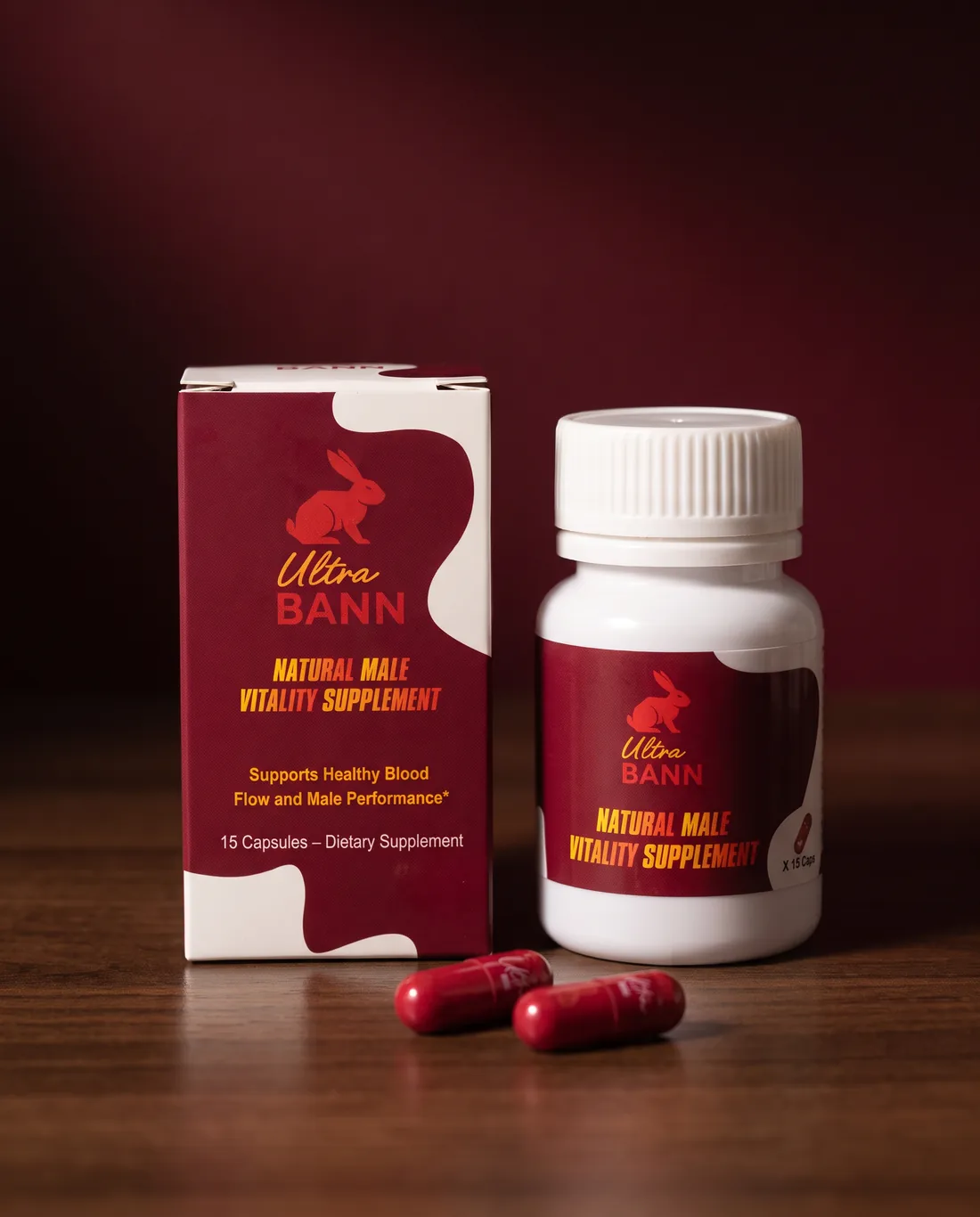
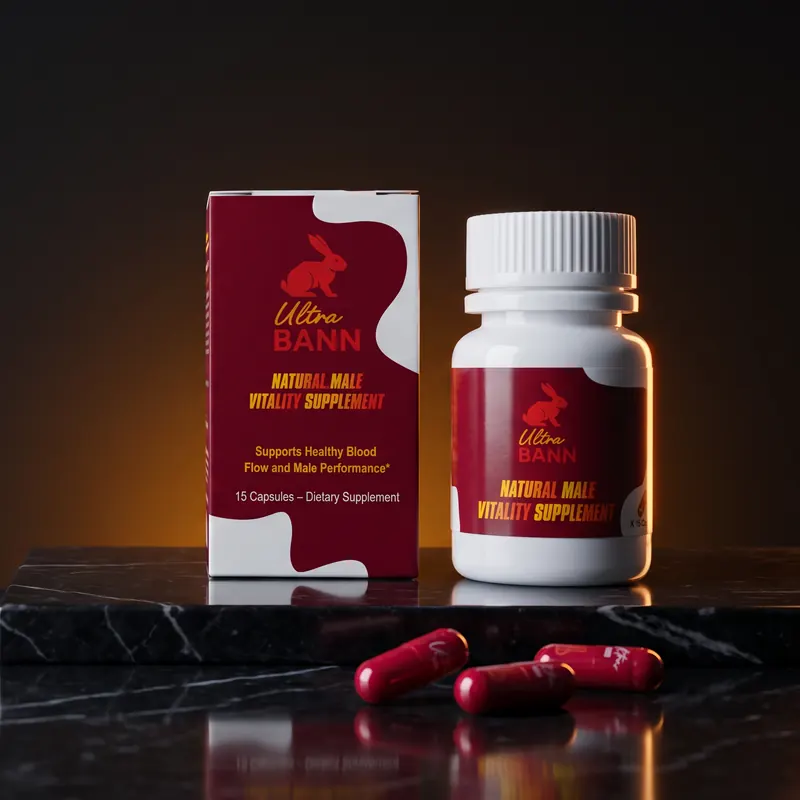
Discover how Ultra Bann can complement your commitment to a healthy lifestyle by delivering natural ingredients scientifically formulated to support erectile function and sexual stamina. Backed by customer testimonials and strict quality assurance, Ultra Bann empowers you to regain control and boost confidence safely without prescription medications. Take the next step toward embracing your best self by visiting Ultra Bann’s Official Website now and experience the difference that natural support can make for your vitality.
Frequently Asked Questions
How can regular exercise support aging gracefully naturally as a man?
Regular exercise helps strengthen your heart, improve energy levels, and enhance mental health. Aim for at least 150 minutes of moderate aerobic activity each week, breaking it down to just 30 minutes a day, five days a week.
What nutrients should I focus on for a balanced diet that promotes healthy aging?
A balanced diet rich in whole foods, such as lean proteins, fruits, vegetables, whole grains, and healthy fats, supports overall health as you age. Start by incorporating two to three servings of vegetables daily and gradually include more nutrient-dense foods.
What stress management techniques can help me age gracefully?
Consider techniques like deep breathing, regular physical activity, or spending time with loved ones to reduce stress effectively. Start by practicing deep breathing for five minutes each day to help calm your mind and body.
How can I improve my sleep quality to support healthy aging?
To enhance sleep quality, maintain a consistent sleep schedule and create a sleep-conducive environment that is dark, cool, and quiet. Prioritize establishing a bedtime routine, such as reading or gentle stretching, to signal your body it’s time to wind down.
What should I include in my routine health checkups as I age?
Routine checkups should include screenings for blood pressure, cholesterol, and other risk factors common in men over 50. Schedule these visits annually and ensure you discuss any concerns or symptoms to catch potential issues early.