Over 40 percent of american adults view traditional masculine traits in a positive light, yet misconceptions about healthy masculinity still shape daily life for millions. Outdated stereotypes can lead to stress, isolation, and missed opportunities for genuine connection. Understanding the true meaning of healthy masculinity helps men move beyond rigid roles and discover a more authentic sense of identity filled with self-respect, emotional depth, and stronger relationships.
Table of Contents
- Defining Healthy Masculinity And Common Myths
- Key Traits Of Healthy Masculinity In Men
- Distinguishing Positive And Harmful Masculine Behaviors
- Role Of Emotional Intelligence And Communication Skills
- Common Mistakes And Misconceptions To Avoid
Key Takeaways
| Point | Details |
|---|---|
| Embrace Healthy Masculinity | Healthy masculinity promotes emotional intelligence, vulnerability, and personal growth, challenging outdated stereotypes. |
| Reject Harmful Myths | Myths such as emotional vulnerability equating to weakness hinder men’s mental health and relationships. |
| Develop Emotional Intelligence | Skills like active listening and empathy are essential for authentic relationships and personal transformation. |
| Challenge Societal Misconceptions | Overcoming misconceptions about masculinity requires self-reflection and education to foster genuine human connections. |
Defining Healthy Masculinity and Common Myths
Healthy masculinity represents a nuanced approach to understanding manhood that challenges traditional restrictive stereotypes. According to Pew Research, cultural perceptions of masculinity are complex, with 43% of Americans viewing masculine men positively while 25% perceive these characteristics more critically.
Contrary to outdated stereotypes, healthy masculinity isn’t about physical strength or emotional suppression. It’s about emotional intelligence, vulnerability, respect, and personal growth. Men who embrace healthy masculinity understand that true strength comes from self-awareness, empathy, and the ability to communicate effectively. These men reject toxic behavioral patterns that limit personal development and interpersonal connections.
Common myths about masculinity often create harmful expectations that negatively impact men’s mental and physical health. PubMed research highlights how traditional masculine roles can lead to significant health challenges by encouraging men to suppress emotions and avoid seeking help. These myths typically suggest that:
- Real men never show vulnerability
- Emotional expression is a sign of weakness
- Physical aggression demonstrates masculinity
- Men should always be sexually dominant
- Seeking mental health support is unmanly
In reality, healthy masculinity embraces a holistic view of manhood that allows for emotional depth, personal growth, and genuine human connection. Understanding clean eating for men can be part of this journey, supporting overall wellness beyond traditional stereotypes.
By challenging these outdated myths, men can develop more authentic, fulfilling identities that honor their full emotional range and individual strengths. Healthy masculinity isn’t about conforming to rigid expectations but about creating space for individual expression, personal development, and meaningful relationships.
Key Traits of Healthy Masculinity in Men
Healthy masculinity transcends traditional stereotypes, focusing on personal growth, emotional intelligence, and authentic self-expression. Academic research highlights how cultivating positive masculinity promotes mental health by emphasizing emotional openness and genuine self-understanding.
Key traits of healthy masculinity include emotional intelligence, vulnerability, and the courage to challenge outdated gender norms. Men who embody these characteristics demonstrate strength through empathy, self-awareness, and genuine connection. They understand that true masculinity isn’t about physical dominance or emotional suppression, but about personal integrity and respect for themselves and others.
Research from PubMed reveals the significant health implications of traditional masculine ideals, showing how rigid gender expectations can negatively impact men’s well-being. The most prominent traits of healthy masculinity include:
- Emotional vulnerability and openness
- Willingness to seek help and support
- Respect for personal and others’ boundaries
- Commitment to personal growth
- Rejection of toxic behavioral patterns
- Practicing empathy and active listening
- Valuing communication over confrontation
For men seeking to enhance their overall wellness, best exercises for men can complement this holistic approach to masculinity, supporting physical and mental health simultaneously.
Ultimately, healthy masculinity is about creating a balanced, authentic identity that allows for individual expression, emotional depth, and meaningful relationships.
It’s a dynamic, evolving concept that empowers men to break free from restrictive stereotypes and embrace their full human potential.
Distinguishing Positive and Harmful Masculine Behaviors
Pew Research reveals a complex landscape of masculinity, where cultural perceptions oscillate between positive recognition and critical examination. Masculine behaviors exist on a spectrum, with some patterns promoting personal growth and others potentially undermining individual and collective well-being.
Positive masculine behaviors are characterized by emotional intelligence, respect, accountability, and genuine connection. These traits include active listening, empathy, vulnerability, and the courage to challenge harmful stereotypes. Men who demonstrate these qualities understand that strength isn’t about physical dominance or emotional suppression, but about authentic self-expression and mutual understanding.
In contrast, PubMed research highlights how harmful masculine behaviors can significantly impact mental and physical health. Toxic masculine traits typically manifest as:
- Suppressing emotional expression
- Using aggression to resolve conflicts
- Refusing to seek help or support
- Valuing physical dominance over emotional intelligence
- Objectifying or disrespecting others
- Equating vulnerability with weakness
- Maintaining rigid, restrictive gender roles
For men committed to personal growth, natural male enhancement solutions can complement a holistic approach to wellness that values emotional and physical health equally.
Ultimately, distinguishing between positive and harmful masculine behaviors requires ongoing self-reflection, empathy, and a willingness to challenge internalized stereotypes.
By embracing a more nuanced understanding of masculinity, men can develop healthier relationships, improved mental well-being, and a more authentic sense of self.
Role of Emotional Intelligence and Communication Skills
Academic research reveals that emotional intelligence represents a critical cornerstone of healthy masculinity, challenging traditional narratives that discourage men from developing nuanced emotional awareness. Emotional intelligence goes beyond simple feeling recognition, encompassing the ability to understand, manage, and effectively communicate complex inner experiences.
At its core, emotional intelligence involves self-awareness, empathy, and the capacity to navigate interpersonal dynamics with sensitivity and respect. Men who cultivate these skills demonstrate remarkable strength through vulnerability, active listening, and genuine connection. They understand that true communication isn’t about dominating conversations, but creating meaningful dialogues that foster mutual understanding and personal growth.
PubMed research highlights the profound health implications of developing robust emotional communication skills. Toxic masculine norms that suppress emotional expression can lead to significant mental and physical health challenges. Key communication skills for healthy masculinity include:
- Practicing active and empathetic listening
- Expressing feelings without aggression
- Asking for help when needed
- Validating others’ emotional experiences
- Maintaining respectful boundaries
- Communicating needs clearly and compassionately
- Resolving conflicts through dialogue
For men seeking holistic personal development, best exercises for men can complement emotional intelligence training, supporting both mental and physical wellness.
Ultimately, emotional intelligence and communication skills represent powerful tools for personal transformation. By embracing these skills, men can build more authentic relationships, improve their mental health, and challenge restrictive cultural narratives about masculinity.
Common Mistakes and Misconceptions to Avoid
Pew Research reveals that societal misconceptions about masculinity continue to perpetuate harmful stereotypes that undermine men’s personal growth and well-being. These deeply ingrained beliefs create significant barriers to developing authentic, healthy masculine identities that embrace emotional complexity and personal development.
One of the most pervasive misconceptions is the belief that emotional vulnerability represents weakness. In reality, the courage to express feelings, seek support, and acknowledge personal struggles demonstrates true strength. Men who buy into this myth often find themselves isolated, struggling with unprocessed emotions that can lead to mental health challenges, relationship difficulties, and decreased overall life satisfaction.
PubMed research highlights several critical misconceptions about masculinity that men should actively challenge:
- Believing physical aggression demonstrates masculinity
- Thinking emotional suppression is a sign of strength
- Assuming men shouldn’t seek mental health support
- Equating vulnerability with incompetence
- Believing masculine worth is tied to sexual performance
- Viewing empathy as a feminine trait
- Rejecting personal growth as unnecessary
For men committed to holistic self-improvement, natural male enhancement solutions can complement a comprehensive approach to personal development that values both physical and emotional wellness.
Ultimately, overcoming these misconceptions requires ongoing self-reflection, education, and a willingness to challenge internalized beliefs. By recognizing and dismantling harmful stereotypes, men can develop more authentic, fulfilling identities that celebrate emotional intelligence, personal growth, and genuine human connection.
Embrace Healthy Masculinity with Confidence and Strength
The journey toward healthy masculinity calls for emotional openness, personal growth, and taking charge of your overall well-being. Many men face challenges like suppressed emotions, self-doubt, and the pressure to fit restrictive stereotypes. This guide highlights how embracing vulnerability and communication fosters true strength. Alongside this, addressing physical health and sexual wellness plays a crucial role in building a balanced masculine identity.
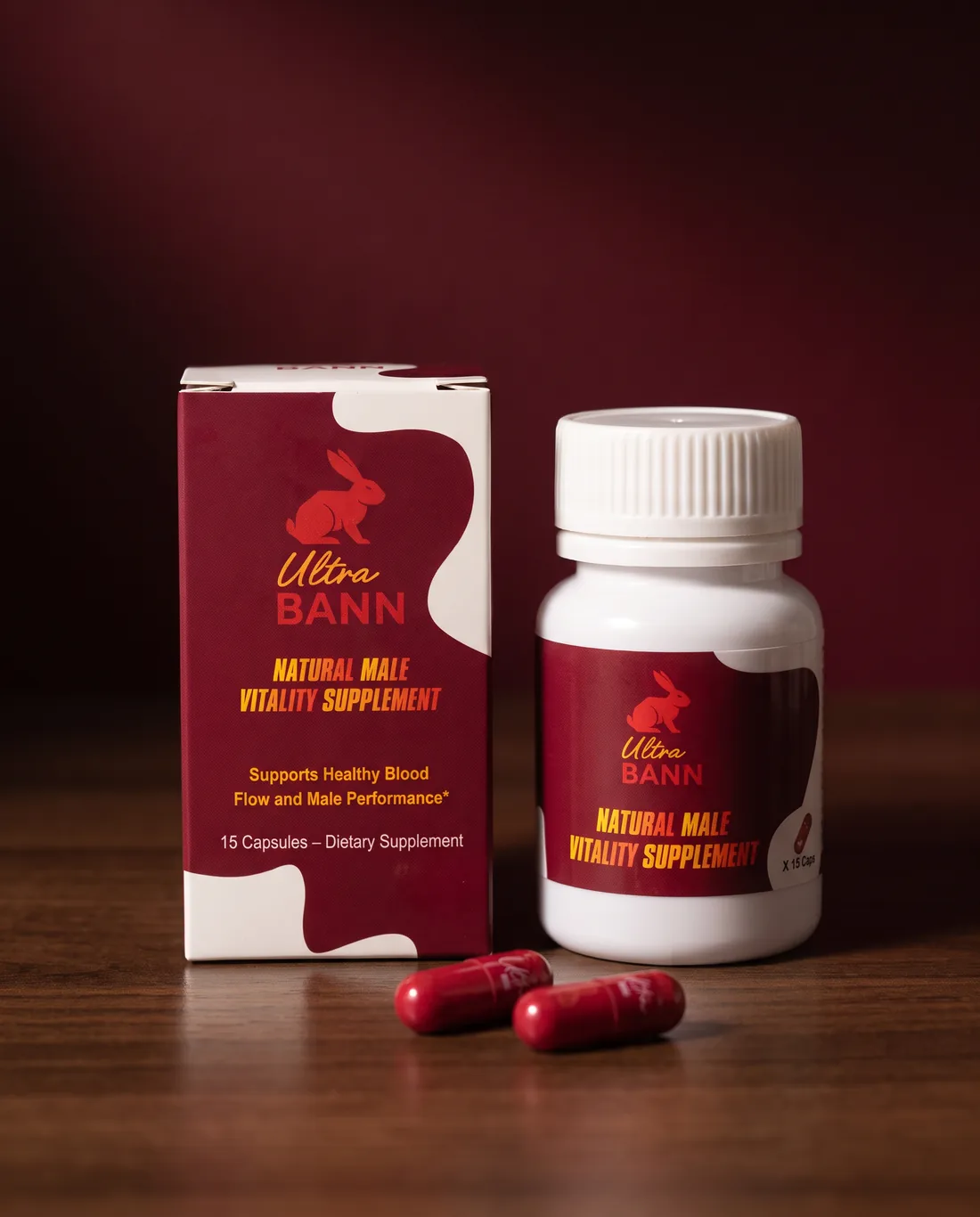
Empower yourself today by exploring natural solutions that support your sexual health and confidence. Our Ultra Bann supplement offers a safe and effective way to enhance vitality while complementing the emotional intelligence and personal growth celebrated in the article. Discover how natural male enhancement solutions can help you overcome common obstacles and align your body and mind. Take control of your health with proven options found at ultrabann.com, and start living the authentic, fulfilling masculinity you deserve.
Frequently Asked Questions
What are the key traits of healthy masculinity?
Healthy masculinity includes emotional intelligence, vulnerability, respect for personal and others’ boundaries, commitment to personal growth, and practicing empathy and active listening. It emphasizes the rejection of toxic behavioral patterns and values communication over confrontation.
How does emotional intelligence contribute to healthy masculinity?
Emotional intelligence allows men to understand, manage, and communicate their feelings effectively. This skill fosters genuine connections, active listening, and respect in relationships, promoting a healthier self-expression that counters traditional masculine stereotypes.
What misconceptions should men avoid regarding masculinity?
Men should avoid believing that emotional vulnerability is a sign of weakness, that aggression demonstrates masculinity, or that seeking mental health support is unmanly. Challenging these notions helps in fostering healthier identities and relationships.
How can men practice healthy masculinity in their daily lives?
Men can practice healthy masculinity by embracing vulnerability, actively listening to others, seeking help when needed, and communicating their feelings without aggression. Committing to personal growth and respecting emotional boundaries will also support this journey.