How to Improve Sperm Quality Naturally for Better Fertility
Over 40 percent of male infertility cases are linked to lifestyle factors that can be changed. Taking charge of reproductive health can feel confusing, especially with so much conflicting advice online. By understanding how daily habits, nutrition, and environmental choices impact sperm quality, you can take practical steps to improve fertility and set yourself up for future family goals.

Table of Contents

Quick Summary

Key Takeaway Explanation
1. Assess Lifestyle and Health Habits Evaluate daily exercise, stress levels, and sleep quality to identify areas for improvement.
2. Upgrade Your Daily Nutrition Incorporate nutrient-dense foods like vegetables and nuts to enhance sperm quality significantly.
3. Incorporate Targeted Physical Activity Engage in moderate aerobic exercises regularly to improve blood flow and sperm health.
4. Reduce Harmful Substance Exposure Limit alcohol, eliminate tobacco, and minimize environmental toxins to protect sperm quality.
5. Consult a Specialist for Support Track your progress and consider professional advice if pregnancy isn’t achieved within 12 months.

Step 1: Assess lifestyle and health habits

Your journey to improving sperm quality starts with a comprehensive self evaluation of your current lifestyle and daily habits. According to Mayo Clinic, several key factors directly impact male reproductive health and fertility. Begin by taking an honest inventory of your physical activity levels, stress management techniques, sleep patterns, and substance use. Research from PubMed indicates that lifestyle choices significantly affect spermatogenesis and overall sperm quality. Focus on tracking these critical areas:
  • Daily physical activity and exercise routines
  • Stress levels and current management strategies
  • Sleep duration and quality
  • Alcohol consumption patterns
  • Tobacco and recreational drug use
  • Dietary habits and nutrition
A practical approach involves creating a weekly log documenting these aspects. Note your current habits without judgment. The goal is understanding your baseline and identifying potential areas for positive transformation. Small consistent changes can yield substantial improvements in reproductive health and overall wellness. Remember that this assessment is not about perfection but progress. By developing awareness of your current lifestyle, you create a roadmap for strategic improvements that can naturally enhance your reproductive potential.

Step 2: Upgrade your daily nutrition

Nutrition plays a critical role in supporting male reproductive health and sperm quality. According to UCLA Health, strategic dietary choices can significantly impact your fertility potential by providing essential nutrients that enhance sperm count and motility. Research from University of Chicago Medicine recommends focusing on nutrient-dense foods that support reproductive wellness. Prioritize incorporating the following into your daily diet:
  • Green leafy vegetables like spinach and kale
  • Antioxidant-rich fruits such as tomatoes and citrus
  • Full-fat dairy products
  • Legumes and beans
  • Nuts and seeds rich in zinc and selenium
Key dietary strategies include reducing processed meats and trans fats while increasing your intake of whole foods. Pay special attention to portion sizes and aim for a balanced approach that provides comprehensive nutritional support. Consider working with a nutritionist to develop a personalized meal plan that meets your specific nutritional needs and supports your reproductive health goals. Remember that consistent dietary improvements can create meaningful changes in your overall wellness and fertility potential. fertility nutrition meal prep

Step 3: Incorporate targeted physical activity

Improving sperm quality isn’t just about nutrition. Strategic physical activity can significantly enhance your reproductive health and overall wellness. According to University of Utah Health, regular aerobic exercise supports optimal blood flow to reproductive organs and can improve sperm quality. PubMed research highlights the delicate balance of physical activity for male fertility. The key is maintaining moderate exercise intensity to maximize benefits while avoiding potential negative impacts. Recommended activities include:
  • Jogging or steady-state running
  • Cycling for 30 minutes, 3-4 times weekly
  • Swimming
  • Brisk walking
  • Bodyweight strength training
Aim for consistent, moderate intensity workouts that elevate your heart rate without pushing into extreme exertion. Avoid prolonged high-intensity training that might increase oxidative stress and potentially disrupt hormonal balance. Start with 150 minutes of moderate exercise per week, gradually adjusting based on your fitness level and how your body responds. Listen to your body and create a sustainable routine that supports both your reproductive health and overall physical fitness.

Step 4: Reduce exposure to harmful substances

Protecting your reproductive health requires proactively minimizing exposure to substances that can compromise sperm quality. Mayo Clinic emphasizes the critical importance of avoiding environmental toxins and lifestyle choices that can negatively impact male fertility. PubMed research highlights the significant ways environmental exposures can disrupt spermatogenesis. Key substances to avoid and strategies for reduction include:
  • Limit alcohol consumption to moderate levels
  • Completely eliminate tobacco products
  • Minimize exposure to pesticides and industrial chemicals
  • Use protective gear when working with potentially harmful materials
  • Choose organic produce to reduce pesticide intake
  • Filter drinking water to remove potential contaminants
Be particularly vigilant about workplace and home environments. If you work in industries with potential chemical exposures such as manufacturing, agriculture, or construction, prioritize using protective equipment and follow strict safety protocols. Think of your body as a precision system. Each step you take to reduce harmful substance exposure is an investment in your reproductive health and overall wellness. Comparison of harmful substances and their effect on sperm quality Gradual, consistent changes can create meaningful improvements in your sperm quality and long term fertility potential.

Step 5: Consider natural supplements with proven benefits

Unlocking your reproductive potential can be supported through strategic supplementation. University of Utah Health highlights how targeted nutritional support can significantly improve sperm parameters, particularly through supplements like Coenzyme Q10 that enhance sperm integrity and motility. PubMed research reveals several key supplements that can naturally support male reproductive health. Essential nutrients to consider include:
  • Coenzyme Q10 for sperm motility
  • Vitamin C to reduce oxidative stress
  • Vitamin E for sperm DNA protection
  • Zinc for overall reproductive function
  • Folate to support genetic material quality
  • Selenium for sperm production
When selecting supplements, prioritize quality and consult with a healthcare professional to ensure proper dosage and compatibility with your individual health profile. Not all supplements are created equal, so research reputable brands and consider third party testing for purity and potency. Remember that supplements are a complementary strategy. They work best when integrated with a holistic approach that includes balanced nutrition, regular exercise, stress management, and overall healthy lifestyle choices. Your reproductive health is a dynamic system that responds to comprehensive care.

Step 6: Track improvements and consult a specialist

Transforming your reproductive health requires consistent monitoring and professional guidance. Mayo Clinic recommends carefully tracking your lifestyle changes and their potential impacts on fertility while remaining open to professional medical advice. PubMed research emphasizes the critical importance of seeking specialized medical input when addressing reproductive health challenges. Consider tracking and documenting the following key metrics:
  • Lifestyle modification progress
  • Dietary changes and nutritional intake
  • Physical activity levels and intensity
  • Sleep quality and stress management
  • Supplement regimen and potential effects
  • Sexual health and performance indicators
Schedule a comprehensive reproductive health assessment if you have not achieved pregnancy after 12 months of regular unprotected intercourse. A specialist can provide detailed semen analysis, identify potential underlying issues, and recommend targeted interventions tailored to your specific health profile. Remember that reproductive health is a complex journey. Professional medical guidance combined with your proactive approach creates the most promising pathway to understanding and optimizing your fertility potential. Stay patient, persistent, and committed to your wellness goals.

Enhance Your Fertility Naturally with Targeted Support

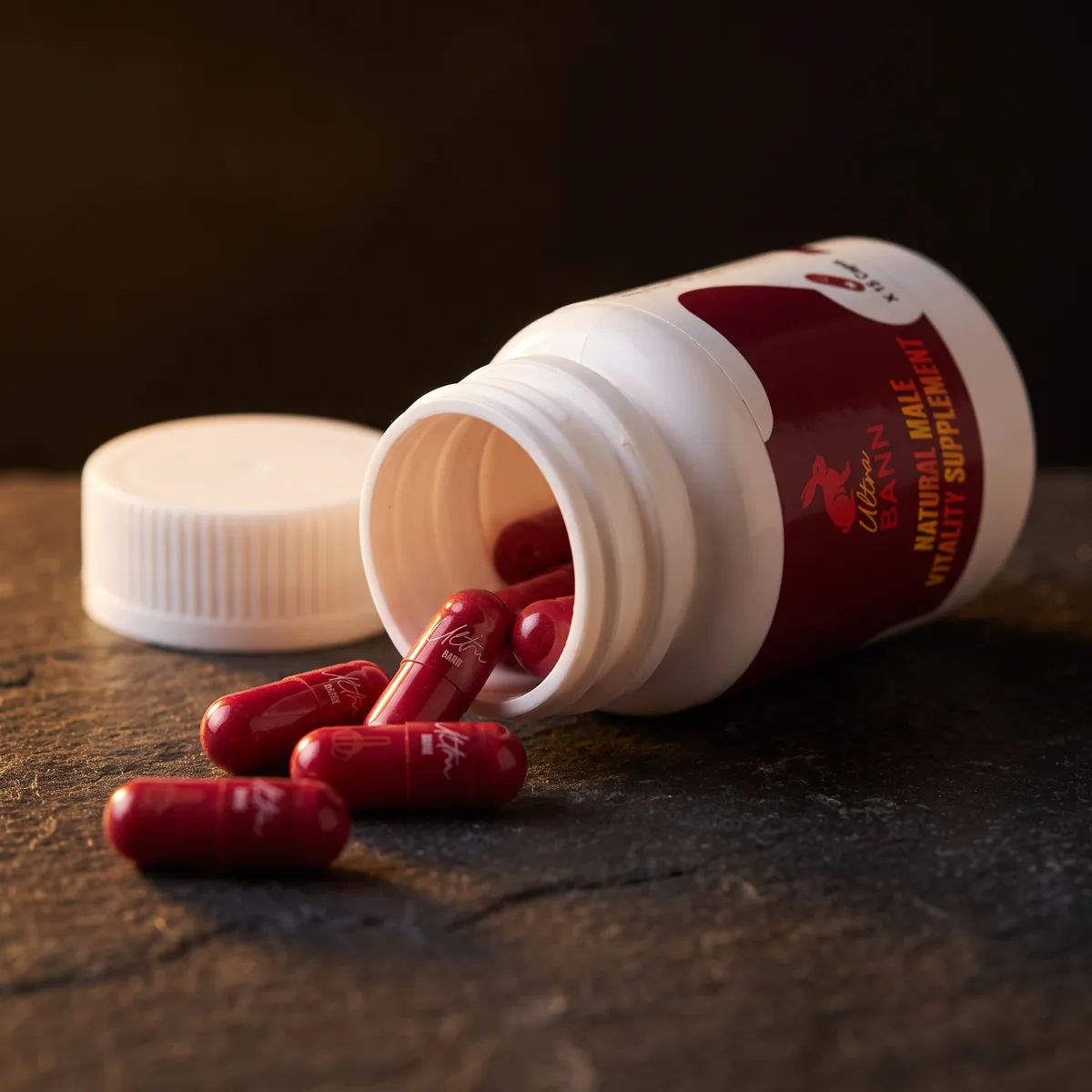
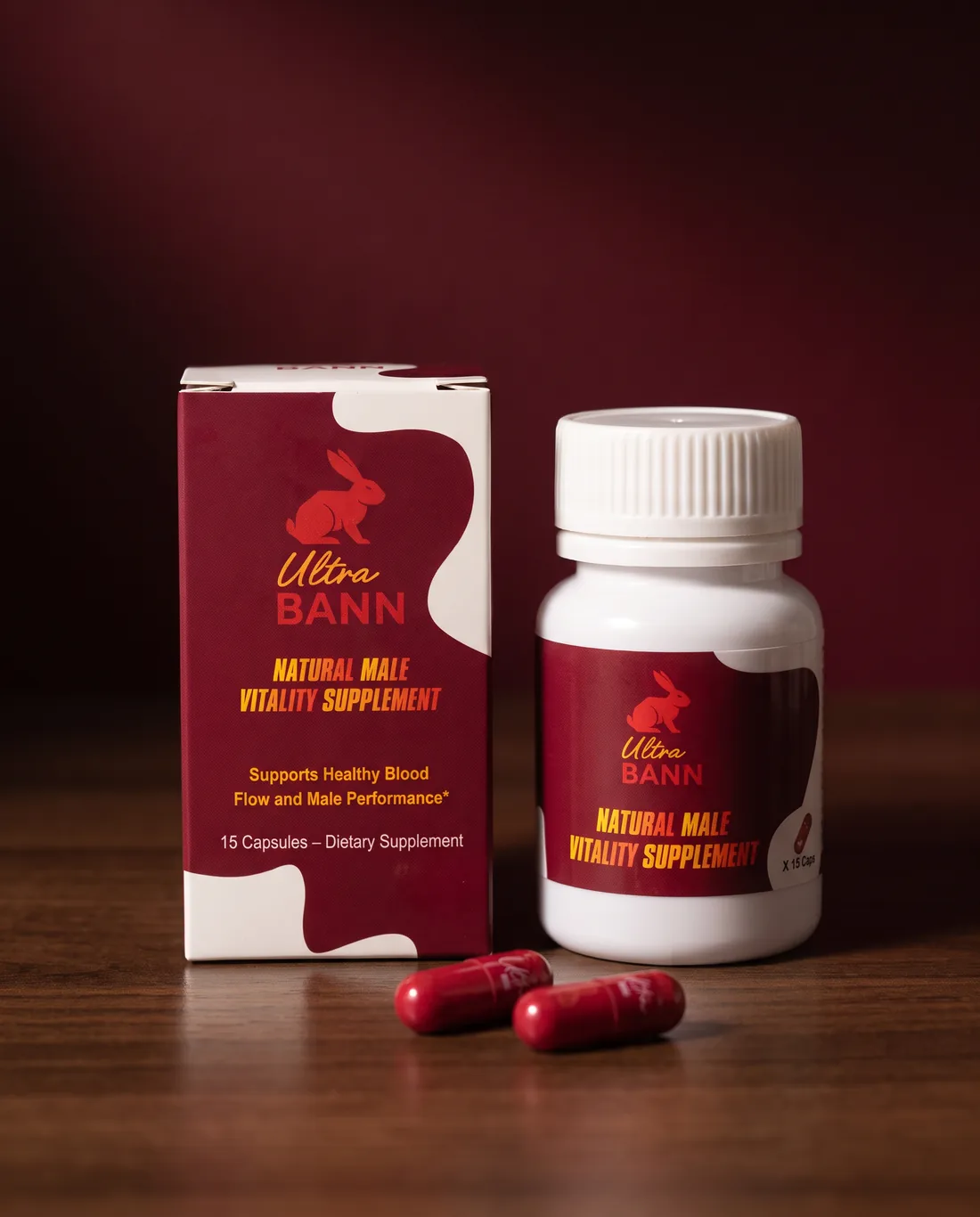
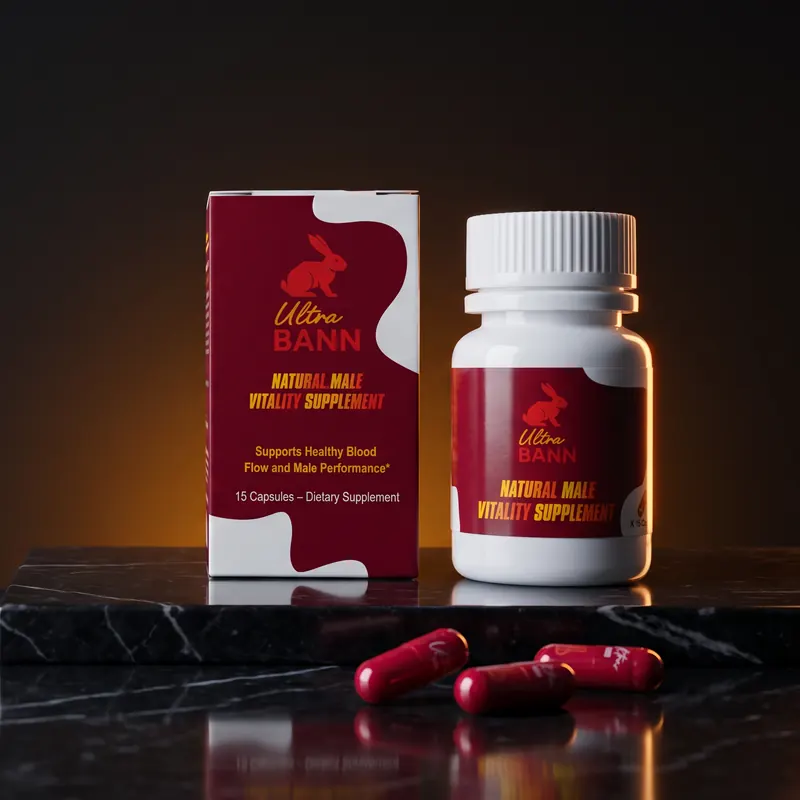
Struggling with low sperm quality can feel frustrating and overwhelming, especially when you want to improve your fertility naturally through lifestyle changes and nutritional focus. This article highlights the importance of balanced nutrition, regular moderate exercise, and reducing harmful substances to boost sperm health and reproductive potential. To complement these vital steps, incorporating specialized supplements designed to support male reproductive function can make a meaningful difference in your progress. Discover how natural ingredients can help you optimize your reproductive health with trusted formulations found in our Herbal Supplement line. These supplements work alongside lifestyle improvements by enhancing sperm motility, protecting DNA integrity, and supporting hormonal balance. https://ultrabann.com Take control of your fertility journey now. Visit Ultra Bann to explore effective options including Testosterone Boosters crafted to elevate your sexual health and confidence. Start your path toward better sperm quality and a healthier future today.

Frequently Asked Questions

How can I assess my current lifestyle to improve sperm quality?

To improve sperm quality, begin by evaluating your daily habits, including physical activity, stress levels, sleep patterns, and substance use. Document these aspects in a weekly log to identify areas for improvement, aiming for noticeable changes over the next 30 days.

What dietary changes can I make to enhance sperm quality?

To enhance sperm quality, focus on incorporating nutrient-dense foods, such as green leafy vegetables, antioxidant-rich fruits, full-fat dairy, legumes, nuts, and seeds, into your daily meals. Aim for a balanced diet that gradually reduces processed foods and trans fats, tracking your nutrition for effective changes over the next month.

What type of exercise is best for improving sperm quality?

Moderate, regular aerobic exercise, such as jogging or cycling for 30 minutes three to four times a week, can significantly improve sperm quality. Start by aiming for 150 minutes of moderate exercise weekly and adjust as needed based on your fitness level and progress.

How can I reduce exposure to harmful substances affecting sperm quality?

Limit exposure to harmful substances by avoiding tobacco products, minimizing alcohol consumption, and reducing contact with pesticides and industrial chemicals. Focus on simple actions like choosing organic produce and filtering your drinking water, aiming for consistent practices within a few weeks.

What natural supplements should I consider for improving sperm quality?

Consider supplements like Coenzyme Q10, Vitamin C, and Zinc, which are shown to support male reproductive health and improve sperm parameters. Consult with a healthcare professional to determine the appropriate dosages and start taking them consistently for better results over 2-3 months.

How can I track my progress in improving sperm quality?

Track your progress by documenting changes in lifestyle, diet, exercise, and supplements regularly, noting any improvements in reproductive health indicators. Schedule a evaluation with a specialist if pregnancy hasn’t occurred after 12 months of trying, allowing for a focused review and tailored recommendations.