FDA Guidelines for Supplements: Complete Overview

More than half of adults in the US take dietary supplements each day, yet many remain confused about what the FDA actually regulates. Conflicting claims and unclear product labels can make it hard to know which supplements are really safe or effective. Understanding how the FDA oversees supplements gives you the power to make better choices and avoid products that might risk your health.

Table of Contents

Key Takeaways

Point Details
FDA Regulation Dietary supplements are classified as food, not requiring pre-market approval, placing safety responsibility on manufacturers.
Labeling Requirements Supplements must have accurate labels, including a Supplement Facts panel detailing ingredients and product identity.
Types of Claims Manufacturers can make health, nutrient content, and structure/function claims, but cannot imply treatment of diseases.
Consumer Responsibility Users should research supplement ingredients, consult health professionals, and report any adverse effects to the FDA for safety.

Understanding FDA Guidelines for Supplements

When it comes to dietary supplements, the Food and Drug Administration (FDA) plays a critical role in protecting consumer health through strategic oversight. According to the FDA, dietary supplements are regulated under the Dietary Supplement Health and Education Act (DSHEA) of 1994, which uniquely classifies them as a food category rather than a pharmaceutical product.

Unlike prescription medications, dietary supplements do not require pre-market approval from the FDA for safety or effectiveness. This means manufacturers bear the primary responsibility for ensuring their products meet basic safety standards and are accurately labeled. The FDA’s regulatory approach focuses on post-market surveillance, allowing them to take action against supplements that are adulterated or misbranded after they enter the marketplace.

Key aspects of FDA supplement guidelines include:

  • Manufacturers must evaluate product safety before marketing
  • Supplements cannot make specific disease treatment claims
  • Products must be properly labeled with ingredient information
  • The FDA can remove unsafe products from market if consumer risks are identified

The regulatory framework gives manufacturers significant flexibility while maintaining consumer protection mechanisms. As FDA guidelines indicate, companies must comply with the Federal Food, Drug, and Cosmetic Act, which provides a structured approach to supplement oversight. This means creating products that are safe, truthfully labeled, and do not pose significant health risks to consumers.

Men seeking sexual wellness supplements should understand these guidelines represent a baseline for product safety. While the FDA does not pre-approve supplements, their post-market monitoring helps protect consumers from potentially harmful products. Always research supplement ingredients, consult healthcare professionals, and choose products from reputable manufacturers committed to transparency and quality.

Dietary Supplements Versus Medications

Understanding the fundamental differences between dietary supplements and medications is crucial for making informed health decisions. According to the FDA, dietary supplements are designed to supplement the diet and are distinctly different from conventional medications, which are intended to treat, diagnose, cure, or prevent specific diseases.

Key distinctions in regulatory approach set these two product categories apart. Medications undergo rigorous pre-market approval processes, requiring extensive clinical trials to demonstrate safety and effectiveness. In contrast, FDA guidelines reveal that dietary supplements can be marketed without prior FDA approval, with manufacturers bearing primary responsibility for product safety.

Critical differences include:

  • Medications require extensive clinical testing
  • Supplements do not need pre-market FDA approval
  • Medications make specific treatment claims
  • Supplements are intended to support nutritional intake

Infographic comparing FDA regulation of supplements and medications

For men considering sexual wellness solutions, understanding these differences is paramount. While medications are prescribed to treat specific medical conditions, supplements vs. prescription ED medications offer a natural approach to supporting overall sexual health. This approach emphasizes nutritional support and holistic wellness rather than direct medical intervention.

Ultimately, the choice between supplements and medications depends on individual health needs, potential risks, and personal health goals.

supplement versus medication Always consult healthcare professionals to determine the most appropriate approach for your specific health circumstances, taking into account potential interactions, individual health conditions, and overall wellness objectives.

FDA Regulatory Process and Labeling Rules

The FDA’s regulatory process for dietary supplements focuses on comprehensive labeling requirements and post-market oversight to protect consumer safety. FDA Dietary Supplement Labeling Guide outlines specific guidelines that manufacturers must follow when producing and marketing dietary supplements.

Labeling Requirements are particularly stringent, ensuring consumers receive accurate and transparent product information. Manufacturers must create a Supplement Facts panel that includes critical details such as:

  • Complete list of dietary ingredients
  • Quantity of each ingredient
  • Serving size and servings per container
  • Name and business location of manufacturer
  • Clear product classification

According to FDA guidelines, the statement of identity is crucial. Products must clearly state they are a ‘dietary supplement,’ which can be modified to describe specific ingredients (e.g., ‘herbal supplement’ or ‘bee pollen supplement’). This requirement ensures consumers understand exactly what type of product they are purchasing.

The regulatory process emphasizes transparency and consumer protection. While the FDA does not pre-approve supplements, sexual enhancement supplements vs. prescription drugs must still adhere to strict labeling and safety standards. Manufacturers bear the responsibility of ensuring their products are safe, accurately labeled, and do not make unsubstantiated health claims.

Men seeking sexual wellness supplements should carefully review product labels, understanding that these guidelines represent a baseline for consumer protection. The FDA’s regulatory approach allows for product innovation while maintaining critical safeguards to prevent misleading marketing and potential health risks.

Safety, Claims, and Adverse Event Reporting

Dietary supplement manufacturers must navigate a complex landscape of regulatory requirements regarding product claims and safety communications. According to FDA guidelines, supplement labels can include three primary types of claims:

Types of Permitted Claims:

  • Health Claims: Describe relationships between substances and disease risk reduction
  • Nutrient Content Claims: Specify nutrient levels in the product
  • Structure/Function Claims: Explain how ingredients might impact body function

Safety is paramount in supplement regulation. FDA consumer guidance emphasizes the importance of adverse event reporting. Men considering sexual wellness supplements should be aware that potential risks exist, especially when:

  • Combining multiple supplements
  • Mixing supplements with medications
  • Exceeding recommended dosages
  • Substituting supplements for prescribed medications

If an adverse reaction occurs, consumers are advised to immediately discontinue use, seek medical attention, and report the incident to the FDA. Best Over-the-Counter ED Supplements should always be approached with caution, understanding that individual responses can vary significantly.

Ultimately, responsible supplement use requires a proactive approach. Consult healthcare professionals, understand potential interactions, read labels carefully, and prioritize your overall health and wellness. The FDA’s regulatory framework exists to provide guidance, but personal research and professional medical advice remain crucial in making informed decisions about dietary supplements.

Compliance Responsibilities for Manufacturers and Sellers

Manufacturers and sellers of dietary supplements face extensive regulatory obligations to ensure consumer safety and product integrity. FDA regulations mandate that companies are strictly prohibited from marketing products that are adulterated or misbranded, with comprehensive responsibilities extending throughout the product development and marketing process.

Key compliance requirements include:

  • Conducting comprehensive safety evaluations
  • Ensuring accurate product labeling
  • Maintaining documentation of ingredient sources
  • Verifying manufacturing quality standards
  • Preventing misleading marketing claims

According to the FDA Dietary Supplement Labeling Guide, manufacturers must create a detailed Supplement Facts panel that transparently communicates:

  • Complete ingredient list
  • Exact quantities of each dietary ingredient
  • Manufacturer’s business information
  • Clear product identification

The regulatory framework gives manufacturers significant responsibility while providing flexibility for product innovation. Supplements vs. prescription ED medications must meet stringent guidelines that prioritize consumer protection. Manufacturers bear the primary burden of proving product safety, with the FDA maintaining post-market oversight authority to remove potentially harmful products from circulation.

Ultimately, compliance is about more than legal requirements. It represents a commitment to consumer trust, product quality, and responsible health supplement development. Men seeking sexual wellness solutions should choose manufacturers who demonstrate transparency, rigorous testing, and a genuine commitment to consumer well-being.

Take Control of Your Sexual Wellness with Confidence

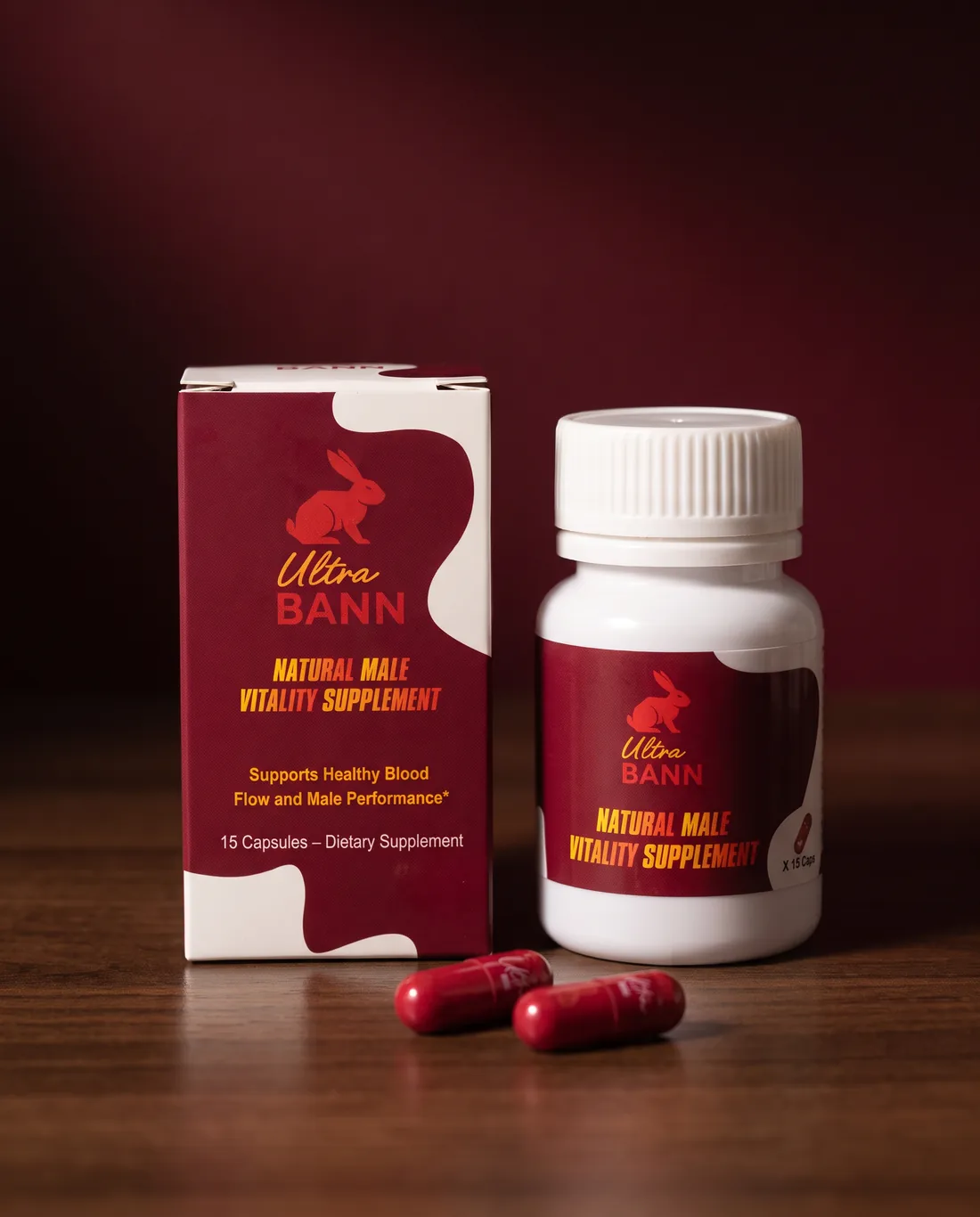
Navigating FDA guidelines for supplements can feel overwhelming, especially when safety and product transparency are your top concerns. If you are seeking a natural, trustworthy solution that aligns with the regulatory standards outlined in the article, Ultra Bann offers a proven path to enhance your sexual health without sacrificing peace of mind. The challenges of understanding label claims, ingredient safety, and manufacturer credibility are real — and Ultra Bann stands out by prioritizing clear information, rigorous quality assurance, and customer satisfaction.

https://ultrabann.com

Discover why so many men trust Ultra Bann as their go-to over-the-counter male enhancement supplement designed with FDA context in mind. Don’t wait to experience the benefits that come from a product created to support your wellness goals safely and effectively. Take the first step today by visiting Ultra Bann to explore detailed ingredient insights, real customer testimonials, and current promotions. Empower your sexual health journey with a supplement that meets the exacting standards you deserve.

Frequently Asked Questions

What are FDA guidelines for dietary supplements?

The FDA guidelines for dietary supplements, established under the Dietary Supplement Health and Education Act (DSHEA) of 1994, regulate supplements as a food category rather than medications. These guidelines ensure product safety, proper labeling, and prohibit misleading claims.

Do dietary supplements need FDA approval before marketing?

No, dietary supplements do not require pre-market approval from the FDA. Manufacturers are responsible for ensuring their products are safe and accurately labeled before they enter the market, while the FDA monitors products post-market for safety and compliance.

What types of claims can dietary supplement labels include?

Dietary supplement labels may contain three main types of claims: health claims (linking substances to disease risk reduction), nutrient content claims (indicating nutrient levels), and structure/function claims (detailing how ingredients affect body functions).

If a consumer experiences an adverse reaction to a dietary supplement, they should immediately discontinue use and seek medical attention. It’s also important to report the incident to the FDA to help ensure consumer safety and product accountability.