Understanding the Role of Magnesium in Sexual Health for Men

Most guys have heard that diet matters for sexual health, but magnesium barely gets a mention. Turns out, this mineral is a hidden powerhouse, with studies showing that higher dietary magnesium is linked to significantly lower rates of erectile dysfunction. The real surprise is that missing out on magnesium does not just sap your energy or muscle strength. It can quietly undermine testosterone, blood flow, and even your confidence in the bedroom.

Table of Contents

Quick Summary

Takeaway Explanation
Magnesium enhances testosterone production. Increased magnesium intake boosts testosterone levels, improving libido and sexual performance.
Magnesium aids blood flow for erections. It regulates nitric oxide production, crucial for vascular health and achieving erections.
Magnesium deficiency may cause erectile dysfunction. Low magnesium levels are linked to reduced sexual performance and erectile issues in men.
Dietary sources are key for magnesium. Foods like leafy greens, nuts, and whole grains are rich in magnesium, supporting overall health.
Consult healthcare for magnesium supplementation. Personalized guidance helps address deficiencies and optimize sexual wellness effectively.

How Magnesium Affects Male Sexual Function

Magnesium plays a surprisingly critical role in male sexual function, influencing everything from hormone production to blood flow and nerve signaling. Understanding its complex mechanisms reveals why this mineral is essential for maintaining optimal sexual health.

Infographic showing magnesium's effects on male sexual health pathways.

Hormonal Regulation and Testosterone Production

Magnesium serves as a fundamental catalyst in testosterone synthesis, a hormone directly linked to male sexual performance. Research from PubMed demonstrated that increased magnesium intake can significantly enhance androgenic enzyme activities and boost serum testosterone levels. This hormonal optimization means more than just libido improvement – it translates to enhanced muscle strength, energy levels, and overall sexual responsiveness.

The connection between magnesium and testosterone is rooted in cellular biochemistry. Magnesium acts as a cofactor for enzymes responsible for converting cholesterol into testosterone, essentially serving as a critical enabler in hormonal production. Men with lower magnesium levels often experience reduced testosterone, which can manifest as decreased sexual desire, reduced erectile function, and diminished sexual performance.

Nitric Oxide Production and Blood Flow Dynamics

Another remarkable way magnesium influences male sexual function involves its role in nitric oxide production and vascular health. The National Health and Nutrition Examination Survey found that higher dietary intake of trace metals like magnesium was significantly associated with reduced erectile dysfunction prevalence.

Nitric oxide acts as a powerful vasodilator, relaxing blood vessel walls and improving circulation. This mechanism is crucial for achieving and maintaining erections. Magnesium helps regulate nitric oxide synthase, the enzyme responsible for nitric oxide production, thereby directly impacting erectile capability. By supporting smooth muscle relaxation and enhancing blood flow, magnesium contributes to more reliable and sustained erectile function.

Neurological and Stress Management Aspects

Beyond hormonal and circulatory impacts, magnesium plays a profound neurological role in sexual health. It helps regulate neurotransmitter function and manages stress responses, both critical factors in sexual performance. Magnesium modulates the hypothalamic-pituitary-adrenal axis, helping to mitigate cortisol levels and reduce performance anxiety.

Interestingly, clinical studies have linked magnesium deficiencies with sexual dysfunction issues like premature ejaculation. By supporting nervous system function and reducing stress-induced physiological responses, magnesium helps men maintain better control and confidence during sexual encounters.

For men seeking to optimize their sexual wellness, understanding magnesium’s multifaceted role is crucial. While diet and supplementation can help, consulting healthcare professionals remains the most reliable approach to addressing individual nutritional needs. Learn more about comprehensive sexual wellness strategies to support your overall sexual health journey.

Magnesium Deficiency and Erectile Dysfunction

Magnesium deficiency represents a significant yet often overlooked factor in male sexual health, particularly its connection to erectile dysfunction. Understanding the intricate relationship between inadequate magnesium levels and sexual performance can help men take proactive steps toward addressing potential underlying issues.

Identifying Magnesium Deficiency Symptoms

Recognizing magnesium deficiency requires careful attention to specific physiological and psychological indicators. Research from the Clinical Interventions in Aging highlights the profound impact of low magnesium levels on sexual function, especially in aging populations. Common symptoms include persistent fatigue, muscle weakness, irregular heartbeat, and unexplained mood changes.

In the context of sexual health, magnesium deficiency can manifest through reduced libido, decreased erectile strength, and diminished overall sexual performance. Men experiencing these symptoms might not immediately connect them to mineral insufficiency. Factors such as chronic stress, poor diet, excessive alcohol consumption, and certain medications can accelerate magnesium depletion, creating a complex web of physiological challenges.

To help men recognize magnesium deficiency, here is a summary table of common symptoms and contributing factors discussed in the article.

Symptom/Factor Description
Persistent fatigue Feeling tired or lacking energy regularly
Muscle weakness Noticeable decrease in muscle strength
Irregular heartbeat Experiencing abnormal heart rhythms
Mood changes Unexplained irritability, anxiety, or mood swings
Reduced libido Lowered sexual desire or interest
Decreased erectile strength Difficulty achieving or sustaining erections
Poor diet Insufficient magnesium-rich foods in meals
Chronic stress Ongoing emotional or physiological stress
Excessive alcohol consumption Drinking alcohol frequently or in large amounts
Certain medications Medicines that interfere with magnesium absorption

Physiological Mechanisms of Magnesium and Erectile Function

The connection between magnesium deficiency and erectile dysfunction goes beyond surface-level symptoms. Magnesium plays a crucial role in vascular health and nerve signaling essential for achieving and maintaining erections. The Journal of Trace Elements in Medicine and Biology emphasizes how mineral balance influences sexual performance, with magnesium acting as a critical regulator of cardiovascular and neurological processes.

When magnesium levels drop, several key physiological mechanisms become compromised. Reduced nitric oxide production impairs blood vessel dilation, directly affecting erectile capability. Compromised nerve signal transmission can lead to decreased sensitivity and reduced sexual responsiveness. Additionally, low magnesium levels can increase inflammation and oxidative stress, further undermining sexual function.

Diagnostic and Treatment Approaches

Addressing magnesium deficiency requires a comprehensive approach. The National Institute of Diabetes and Digestive and Kidney Diseases recommends a holistic strategy focusing on dietary improvements and potential supplementation. Healthcare professionals typically employ blood tests to accurately assess magnesium levels, considering factors like age, overall health, and existing medical conditions.

Dietary interventions remain the primary method of addressing magnesium deficiency. Foods rich in magnesium include leafy green vegetables, nuts, seeds, whole grains, and legumes. For men with significant deficiencies, targeted supplementation under medical supervision might be necessary. Learn more about comprehensive solutions for erectile health to understand how nutritional strategies can support sexual wellness.

While magnesium deficiency can contribute to erectile dysfunction, it is rarely the sole cause. Men experiencing persistent sexual performance issues should consult healthcare professionals to explore comprehensive diagnostic and treatment options. Understanding the intricate relationship between nutrition, minerals, and sexual health empowers men to make informed decisions about their overall wellness.

Natural Ways to Boost Magnesium Intake

Optimizing magnesium intake through natural dietary sources offers men a powerful strategy for supporting sexual health and overall wellness. Understanding the most effective methods to increase magnesium levels can help individuals make informed nutritional choices that directly impact their physiological performance.

Dietary Sources Rich in Magnesium

Harvard T.H. Chan School of Public Health highlights several nutrient-dense foods that serve as excellent magnesium sources. Green leafy vegetables like spinach and Swiss chard top the list, providing substantial mineral content. Nuts and seeds emerge as another potent category, with almonds, pumpkin seeds, and sunflower seeds delivering significant magnesium quantities.

Whole grains represent another critical dietary avenue for magnesium intake. Brown rice, quinoa, and whole wheat products contain higher mineral concentrations compared to their refined counterparts. Legumes such as black beans, edamame, and lentils further contribute to magnesium absorption, offering additional protein and fiber benefits simultaneously.

Here is a table organizing major dietary sources of magnesium and example foods for each, based on the article’s information. This helps readers quickly identify foods to prioritize.

Food Group Example Foods
Leafy Green Vegetables Spinach, Swiss chard
Nuts Almonds
Seeds Pumpkin seeds, sunflower seeds
Whole Grains Brown rice, quinoa, whole wheat
Legumes Black beans, edamame, lentils

Strategic Meal Planning and Food Combinations

Nutrients journal research emphasizes the importance of strategic meal planning to maximize magnesium absorption. Combining magnesium-rich foods with vitamin D and calcium can enhance mineral uptake and utilization. For instance, pairing spinach with salmon or incorporating almonds into a yogurt-based smoothie can create nutritionally synergistic meals.

Men should aim to diversify their magnesium sources to prevent monotony and ensure comprehensive nutrient intake. Incorporating a variety of nuts, seeds, vegetables, and whole grains throughout daily meals helps maintain consistent magnesium levels. Avoiding excessive processing and choosing minimally refined foods supports better mineral retention.

Lifestyle Considerations and Supplementation

The U.S. National Institutes of Health recommends prioritizing dietary sources over supplements for most individuals. However, certain lifestyle factors can impact magnesium absorption and requirements. Intense physical activity, chronic stress, and specific medical conditions might necessitate more targeted nutritional approaches.

For men experiencing persistent magnesium deficiency, consulting healthcare professionals becomes crucial. They can provide personalized guidance on potential supplementation, taking into account individual health profiles and specific nutritional needs. Learn more about optimizing nutritional strategies for sexual wellness to develop a comprehensive approach to male health.

Magnesium intake is not just about consuming the right foods but understanding how dietary choices interact with overall physiological function. By making informed, intentional nutritional decisions, men can support their sexual health, hormonal balance, and general well-being through natural, food-based approaches.

erectile dysfunction wellness

Frequently Asked Questions

What is the role of magnesium in male sexual health?

Magnesium plays a crucial role in male sexual health by enhancing testosterone production, supporting blood flow through nitric oxide regulation, and managing stress responses that can affect sexual performance.

How does magnesium deficiency affect erectile function?

Magnesium deficiency can lead to reduced testosterone levels and impaired nitric oxide production, which are critical for achieving and maintaining erections, potentially resulting in erectile dysfunction.

What are the best dietary sources of magnesium?

Dietary sources rich in magnesium include leafy green vegetables (like spinach), nuts (such as almonds), seeds (like pumpkin seeds), whole grains (such as brown rice), and legumes (such as black beans).

How can men increase their magnesium intake naturally?

Men can increase their magnesium intake by incorporating magnesium-rich foods into their diets, planning well-balanced meals, and combining these foods with other nutrients like vitamin D and calcium to enhance absorption.

Take Control of Your Sexual Wellness With Natural Magnesium Support

Are you feeling the effects of low magnesium, such as reduced energy, low confidence, or problems with sexual performance? If you recognize symptoms like weaker erections or diminished desire, you are not alone. The science-backed link between magnesium and male sexual health shows how nutritional gaps can quietly drain your performance and daily confidence. Magnesium helps balance testosterone and supports blood flow, vital for strong erections and lasting stamina. For many men, closing this mineral gap can be life-changing.

https://ultrabann.com

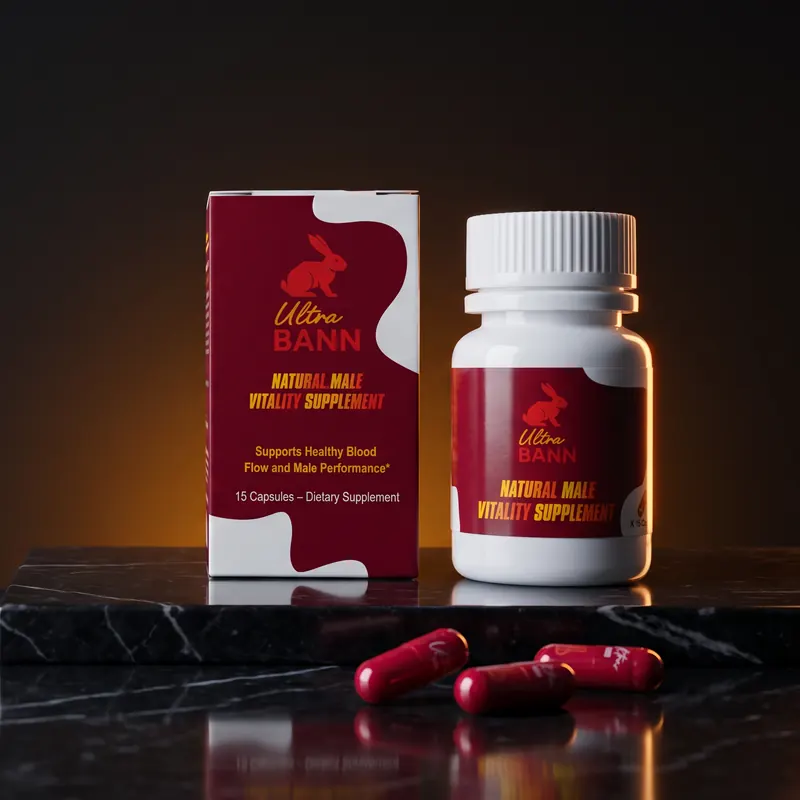
Why wait to make positive changes? Ultra Bann is designed for men who want a real, natural boost in the bedroom. Our supplement harnesses key nutrients, including magnesium, to support hormonal health and optimal sexual function. Explore the full benefits and see why so many customers trust Ultra Bann as their daily solution. Ready to reclaim your vitality and experience proven results? Order Ultra Bann today and take the first step toward better sexual wellness now.